
Understanding the extent of RV insurance coverage for mold damage is essential for RV owners, as it can greatly influence your financial obligations in the event of mold-related issues. Generally, standard RV insurance policies do include coverage for mold damage if it stems from a covered peril, such as water damage. However, coverage specifics can vary significantly between providers and policy types, making it imperative to delve into the nuances of your individual policy.
Understanding Mold Damage in RVs
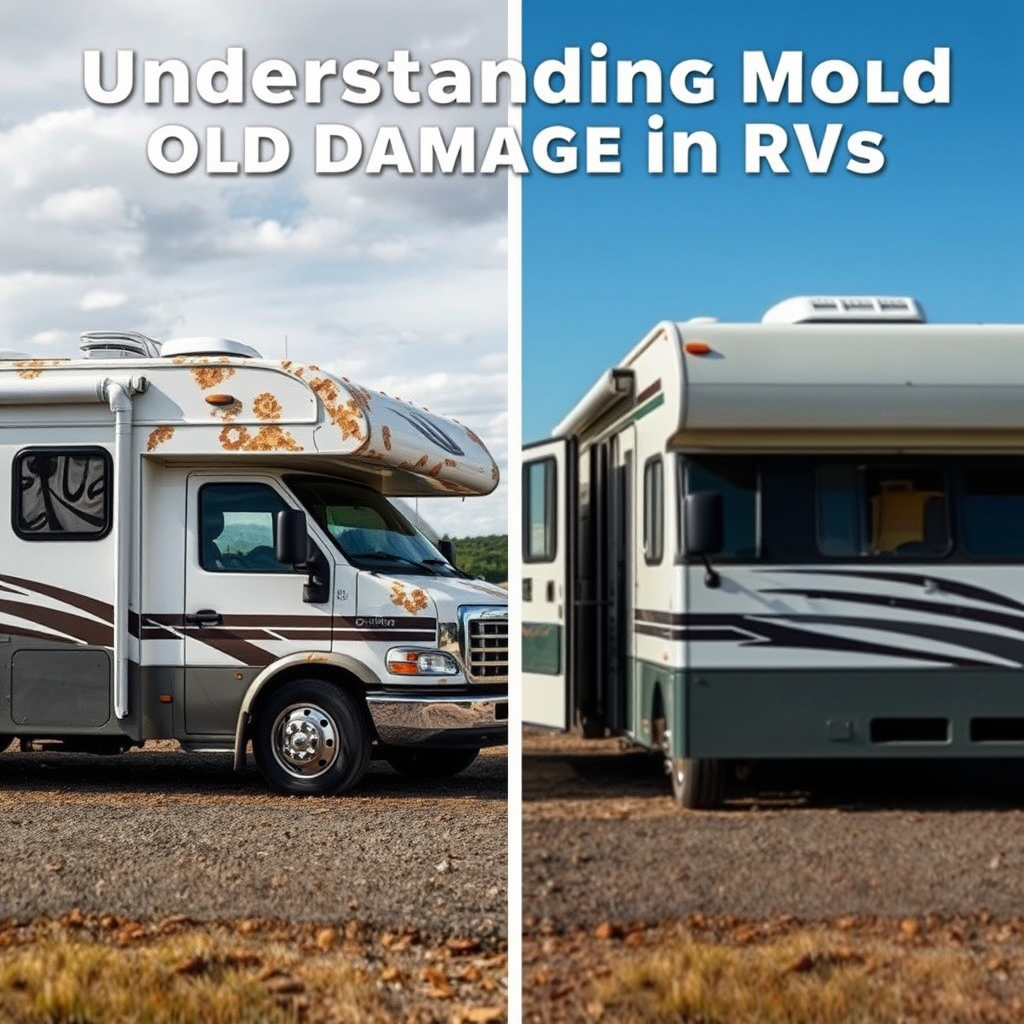
Mold is a pervasive issue that can affect recreational vehicles due to a variety of factors, primarily leaks, high humidity, and inadequate ventilation. These conditions create an ideal environment for mold spores to thrive and proliferate. Mold can not only cause unsightly stains and odors but can also lead to significant health risks, including respiratory issues and allergic reactions. Moreover, mold can compromise the structural integrity of your RV, leading to costly repairs. Therefore, RV owners should be vigilant in monitoring and addressing any signs of mold growth to mitigate its impact.
Types of RV Insurance Coverage
When it comes to RV insurance, several types of coverage can play a role in addressing mold-related damages:
– Liability Coverage: This protects you from claims made by third parties for injuries or damages you may cause to others while using your RV. While liability coverage does not directly address mold damage to your RV, it is crucial for overall safety and financial protection.
– Comprehensive Coverage: This type of coverage is particularly relevant when discussing mold damage. Comprehensive coverage typically encompasses non-collision-related damages, which may include issues arising from water damage that can lead to mold growth. For instance, if a tree falls on your RV during a storm and causes a leak, any resultant mold damage from that leak might be covered under comprehensive insurance.
Understanding these different types of coverage can help RV owners make informed decisions about their insurance policies and ensure they have adequate protection in place.
When Mold Damage is Covered
Mold damage in your RV may be covered by your insurance policy if it results from a peril that is explicitly covered, such as water damage from a burst pipe or a storm-related leak. Most insurance companies require that any damage be reported promptly, as delays in reporting can complicate claims. Additionally, many policies stipulate that RV owners must take reasonable preventive measures to mitigate mold growth, such as maintaining proper ventilation and addressing leaks as soon as they are discovered.
For example, if your RV sustains water damage from a hailstorm and mold develops as a result, you may be able to file a claim for the mold damage, provided you document the damage and follow your insurer’s procedures.
When Mold Damage is Not Covered
While there are scenarios in which mold damage may be covered, there are also instances where it is not. Mold damage is often excluded from coverage if it is determined to have arisen from neglect or insufficient maintenance. For instance, if an RV owner fails to address a known leak over an extended period, any mold resulting from that inaction is likely to be considered the owner’s responsibility and not covered by insurance.
Additionally, standard exclusions often include damage from wear and tear or environmental factors that were foreseeable. For example, if mold develops in an RV that has been left unused and unventilated for months, the insurance provider may argue that the mold growth was a result of neglect rather than a covered event.
How to Prevent Mold in Your RV
Preventing mold in your RV is crucial not only for the health of those who use it but also for maintaining the vehicle’s value. Here are several practical steps RV owners can take:
– Regular Inspections: Routinely check for signs of leaks, especially around windows, roofs, and plumbing fixtures. Early detection can drastically reduce the risk of mold.
– Maintain Ventilation: Ensure your RV is well-ventilated, particularly when parked for an extended period. Open windows and vents whenever possible to promote airflow.
– Use Dehumidifiers and Moisture Absorbers: Invest in dehumidifiers to help control moisture levels inside the RV. Additionally, moisture absorbers can be placed in closed spaces to reduce humidity.
– Keep Interior Clean and Dry: Regularly clean surfaces and ensure that any spills or moisture are promptly dried.
By implementing these preventive measures, RV owners can significantly decrease the likelihood of mold growth and the associated complications.
Steps to Take if You Discover Mold
If you discover mold in your RV, it is essential to act quickly. Here are steps to follow:
1. Document the Damage: Take detailed photos of the affected areas and the extent of the mold growth. This documentation will be essential when filing an insurance claim.
2. Notify Your Insurance Provider: Contact your insurance provider to report the mold damage. Provide them with the necessary documentation and follow their claims process.
3. Mitigate Further Damage: While waiting for guidance from your insurer, take immediate steps to contain the mold. This may include cleaning small affected areas with appropriate mold-removing products or hiring professionals for larger infestations.
4. Consult a Professional: If the mold growth is extensive, it may be wise to engage a professional mold remediation service to ensure thorough removal and to prevent recurrence.
By taking these steps, RV owners can minimize the impact of mold and work towards resolving the issue effectively.
Frequently Asked Questions about RV Mold Coverage
– What should I do if my claim is denied? If your mold damage claim is denied, you should carefully review the denial letter and the specifics of your policy. Consider appealing the decision, providing additional documentation, or consulting with a legal expert specializing in insurance claims.
– Are there specific policies that include mold coverage? Some insurance providers offer specialized policies or endorsements that include mold coverage. It’s essential to inquire about these options when purchasing or renewing your RV insurance policy.
Summarizing the coverage of mold damage in RV insurance reveals that while some policies may offer protection, it often depends on the cause of the mold and your specific policy details. Always review your policy carefully and consult with your insurance agent to ensure you have the appropriate coverage. Taking preventive measures and acting quickly can save you both time and money in the long run. If you’re unsure about your coverage, reach out to your provider today to clarify any questions you might have.
Frequently Asked Questions
Does RV insurance cover mold damage?
RV insurance typically does not cover mold damage under standard policies, as mold is often considered a maintenance issue rather than a sudden, accidental loss. However, some comprehensive policies may include limited coverage for mold if it results from a covered peril, such as water damage from a burst pipe. It’s essential to review your specific policy and discuss with your insurance agent to understand your coverage options regarding mold.
What should I do if I find mold in my RV?
If you discover mold in your RV, it’s crucial to act quickly to prevent further damage and health risks. Start by identifying and addressing the source of moisture that led to mold growth, such as leaks or condensation. Then, clean the moldy areas using appropriate cleaning solutions and consider using a dehumidifier to reduce moisture levels. Additionally, report the issue to your insurance provider, as they may offer guidance on possible coverage for remediation costs.
How can I prevent mold growth in my RV?
Preventing mold growth in your RV requires maintaining low humidity levels and ensuring proper ventilation. Use a dehumidifier, regularly check for leaks, and ensure that areas like bathrooms and kitchens are adequately ventilated. Storing your RV in a dry, cool environment and cleaning it regularly can also help keep mold at bay. Taking these proactive measures can protect your investment and potentially reduce the need for insurance claims related to mold damage.
Why is mold damage often not covered by RV insurance?
Mold damage is frequently excluded from RV insurance policies because it is seen as a result of neglect or lack of maintenance rather than an unexpected incident. Insurance companies may view mold as a preventable issue, leading to higher risks and costs for them. Understanding this exclusion is important for RV owners, as it emphasizes the need for regular inspections and proactive maintenance to minimize mold-related issues.
Which types of RV insurance may offer coverage for water damage that could lead to mold?
Comprehensive RV insurance policies may offer coverage for certain types of water damage that can lead to mold growth, such as damage from a storm or a sudden plumbing failure. It’s advisable to look for policies that include “all-perils” coverage or to add endorsements for water damage. Always consult with your insurance agent to tailor your coverage needs, ensuring that you are adequately protected against circumstances that could result in mold-related issues.
References
- https://www.thebalance.com/understanding-rv-insurance-4171198
- https://www.insure.com/rv-insurance/coverage.html
- https://www.nolo.com/legal-encyclopedia/rv-insurance-coverage-29735.html
- 404 – Page not found | III
- ConsumerReports.org – Page not found error – Consumer Reports