

Running a red light can indeed lead to higher insurance rates. Insurance companies often view traffic violations as indicators of risky behavior, which can result in increased premiums. This article will explore how running a red light affects your insurance, the factors involved, and what you can do to mitigate potential rate hikes.
Understanding Traffic Violations and Insurance
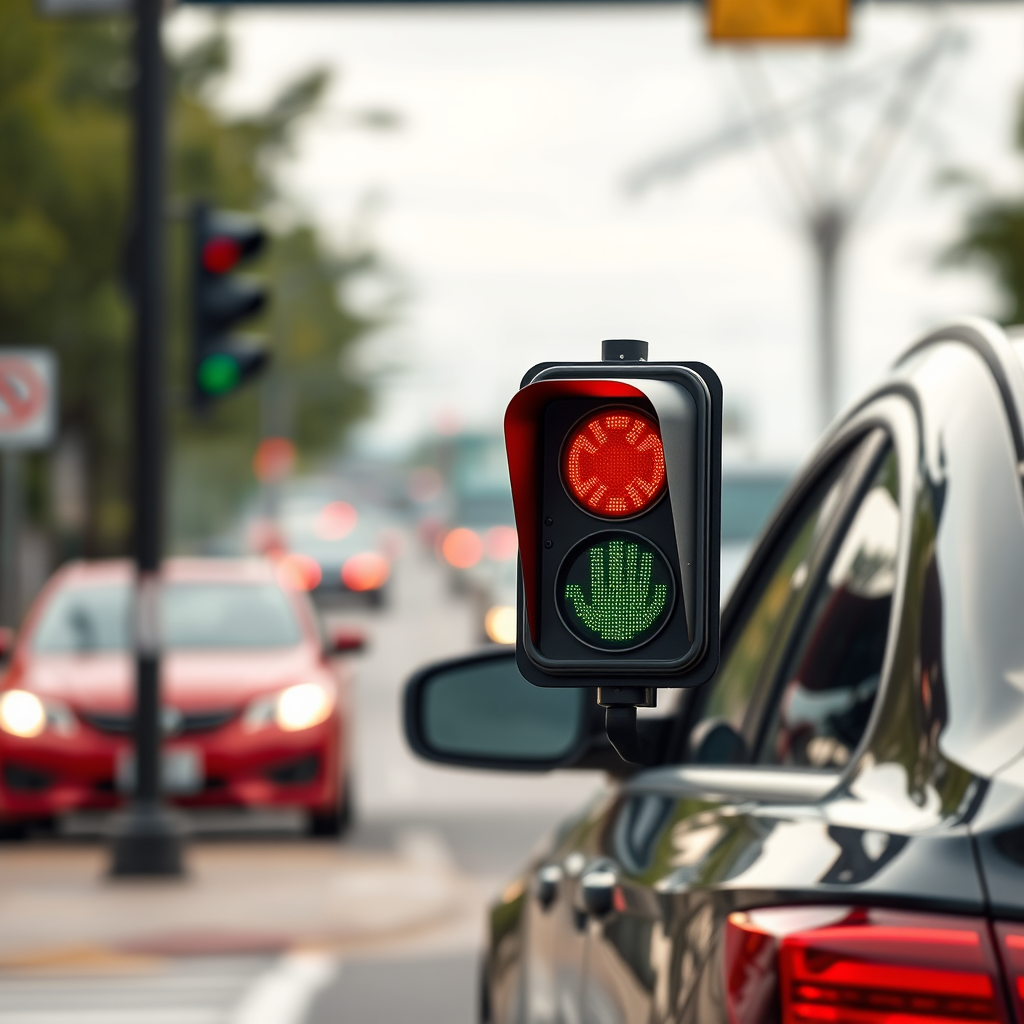
Insurance companies categorize traffic violations based on their severity, and running a red light is typically considered a serious offense. When a driver receives a ticket for this violation, it signals to insurers that the individual may not adhere to traffic laws, which raises alarms about their overall safety on the road. Traffic violations are recorded on a driver’s history, and a pattern of infractions can lead to increased premiums. Insurers rely on statistics that suggest drivers with a history of violations are more likely to file claims, thereby justifying the hike in rates.
For example, a study by the Insurance Institute for Highway Safety (IIHS) found that drivers with a single speeding ticket could see an average increase of 20% in their insurance premiums. Given that running a red light is often associated with more severe accidents, the potential for premium increases is even higher. Each insurer has its criteria for how violations impact rates, but the general consensus is that running a red light is a significant red flag.
How Insurance Companies Evaluate Risk
Insurers employ various factors to assess risk and determine insurance premiums. Key components include driving history, claims history, the frequency of violations, and the severity of those violations. When a driver runs a red light, it can lead to accidents, potentially resulting in property damage, injuries, or even fatalities. Such outcomes not only impact immediate costs but also elevate a driver’s risk profile in the eyes of insurers.
Insurers often rely on complex algorithms that analyze these factors, alongside demographic data and geographic location. For example, a driver in an urban area with high traffic density may face more severe consequences than a driver in a rural setting. Additionally, insurance companies might consider the context of the violation; if the driver was in an accident while running a red light, the repercussions on their insurance rates will likely be more severe than if no accident occurred.
The Impact of Accidents on Insurance Rates
If running a red light results in an accident, your insurance rates are likely to increase significantly. Claims stemming from accidents can lead to surcharges on your policy, contributing to long-term rate increases. For instance, an accident resulting from a red light violation could lead to liability claims for damages incurred by other parties, amplifying the financial burden on the insurer.
Insurance companies typically implement a tiered surcharge system where the severity of the accident influences the extent of the premium increase. A minor accident may result in a modest increase, while a serious accident could trigger a much larger hike. Depending on the driver’s previous history, the impact may also vary; a driver with a clean record may face a steeper increase compared to one with prior violations. Therefore, the long-term financial ramifications of running a red light can be substantial.
State Laws and Penalties
Different states have varying laws regarding the penalties for running a red light, and these regulations can significantly influence insurance rates. For instance, some states may impose hefty fines for violations, while others might enforce stricter penalties for repeat offenders. In states with harsher penalties, such as California, a second offense can lead to additional fines and traffic school requirements, which may further affect insurance premiums.
Moreover, states often have different points systems that correspond to insurance increases. For instance, a driver in New York might accumulate points on their license for running a red light, which can lead to an insurance rate increase after reaching a specific threshold. Understanding your state’s laws and penalties is crucial for anticipating how a traffic violation will affect your insurance rates.
Mitigating Insurance Rate Increases
While receiving a ticket for running a red light can be disheartening, there are proactive steps drivers can take to mitigate potential insurance rate increases. One effective strategy is to enroll in a defensive driving course. Many states offer courses that not only provide valuable driving skills but can also lead to discounts on insurance premiums. This can help offset the impact of a traffic violation on your insurance rates.
Another option is to shop around for insurance after receiving a ticket. Different insurers have varying policies regarding violations, and some may be more lenient than others. By comparing quotes and policies from multiple providers, you may find a better rate that aligns with your needs despite your recent infraction.
Alternatives to Consider
If you’ve recently received a ticket for running a red light, it is wise to explore alternatives that may help protect you from significant rate increases. One such option is accident forgiveness policies, which some insurers offer to shield drivers from rate hikes following their first accident. This can be particularly beneficial for drivers who have maintained a clean record prior to the violation.
Additionally, engaging in open communication with your insurance agent can lead to tailored advice on managing your policy after a traffic violation. Your agent can provide insights into potential discounts, recommend safe driving programs, or suggest policy adjustments that may help minimize the financial impact of the violation.
Running a red light can have serious implications for your insurance rates, but understanding the factors at play can help you navigate the situation. Insurance companies view traffic violations as indicative of risk, and the consequences can be significant. By taking proactive steps—such as enrolling in defensive driving courses, shopping for insurance, and communicating with your agent—you can mitigate the impact of a violation on your insurance premiums. Always consider driving safely and following traffic laws to avoid penalties and keep your insurance rates manageable. If you’ve recently received a ticket, consult with your insurance provider to discuss your options and next steps.
Frequently Asked Questions
Does running a red light affect my car insurance rates?
Yes, running a red light can significantly impact your car insurance rates. Insurance companies view traffic violations, especially serious ones like running red lights, as indicators of higher risk. If you receive a ticket for this infraction, your insurer may increase your premiums at your next renewal, as they will likely consider you a higher-risk driver.
How long does a red light violation stay on my driving record?
A red light violation typically remains on your driving record for about three to five years, depending on your state laws. During this time, it can affect your insurance rates and may also impact your ability to qualify for certain discounts. It’s essential to be aware of your state’s specific regulations regarding traffic violations and how they may influence your driving record.
Why do insurance companies raise premiums after a red light violation?
Insurance companies raise premiums after a red light violation because they assess the driver as a higher risk. Traffic violations indicate a pattern of unsafe driving behavior, which correlates with a greater likelihood of future accidents. This risk assessment helps insurers determine the rates they charge, and thus, a history of violations can lead to increased premiums.
What can I do to minimize the impact of a red light violation on my insurance?
To minimize the impact of a red light violation on your insurance, consider taking a defensive driving course. Many states offer these courses, which can sometimes lead to a reduction in points on your driving record or even a discount on your insurance premium. Additionally, maintaining a clean driving record after the violation can help demonstrate to your insurer that you are a responsible driver, potentially leading to lower rates over time.
Which insurance companies are more lenient with red light violations?
While policies vary by insurer, some companies are known to be more lenient regarding minor traffic violations, including red light infractions. Generally, larger insurers like Geico, Progressive, and State Farm may offer competitive rates for drivers with a single violation, especially if they have a good driving history otherwise. It’s advisable to shop around and compare quotes from multiple providers to find the best deal after receiving a ticket for running a red light.
References
- https://www.thebalance.com/how-your-driving-record-affects-your-car-insurance-2645742
- 404 – Page not found | III
- https://www.nhtsa.gov/risky-driving/red-light-running
- https://www.insurance.com/car-insurance/traffic-violations-insurance.html
- ConsumerReports.org – Page not found error – Consumer Reports
- 404 – Page not found | III