

Yes, your roof typically needs an inspection for insurance in Cumming, GA, especially if you are purchasing a new policy, renewing an existing one, or have recently experienced severe weather conditions. Insurance companies often mandate a roof inspection to evaluate its condition and identify any potential risks before coverage is extended. This article will elaborate on the reasons behind these inspections, what homeowners can expect during the process, and how to prepare effectively.
Importance of Roof Inspections for Insurance
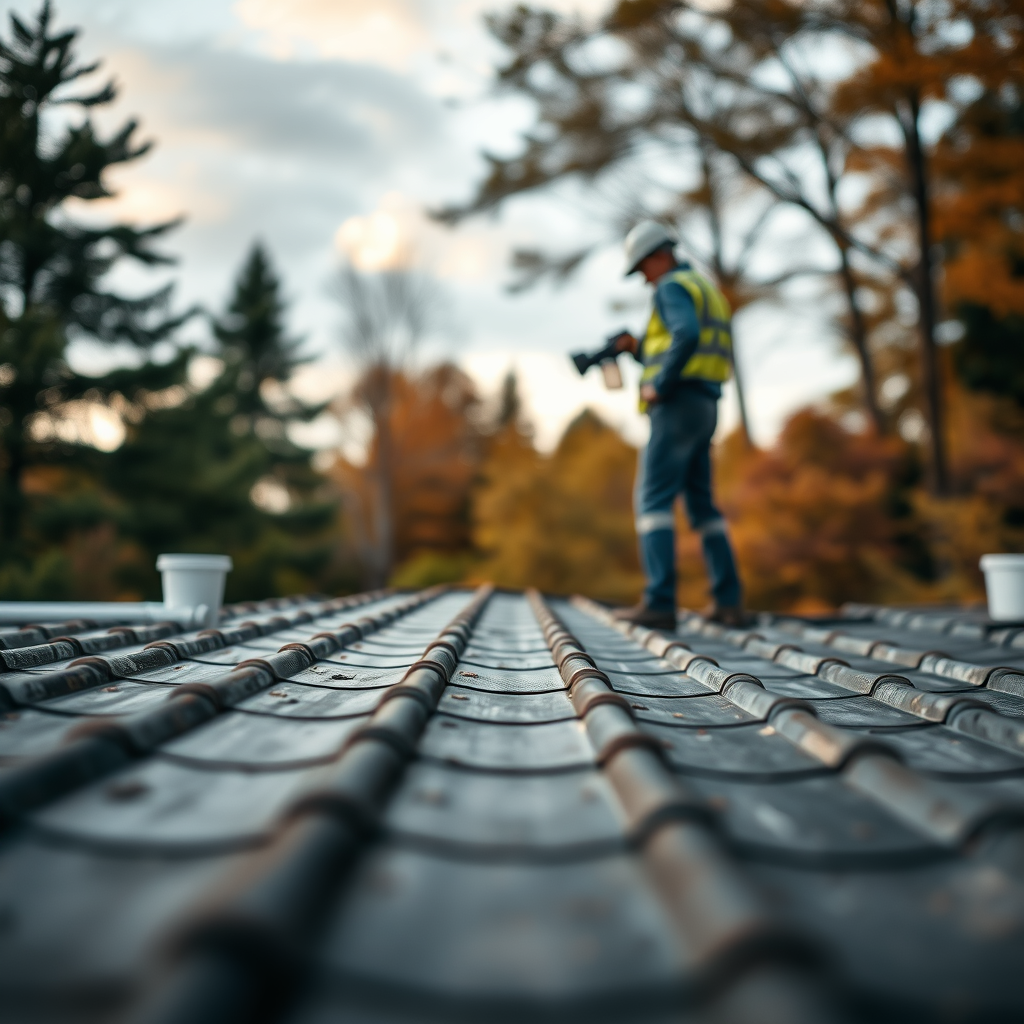
Roof inspections are essential for homeowners seeking insurance coverage because they help identify existing issues that could lead to costly claims down the line. Insurance providers require these assessments to minimize their risk exposure. For instance, if a roof has pre-existing damage or deterioration, it poses a higher risk for insurance companies, which could lead to increased premiums or denial of coverage. Moreover, an inspection can uncover hidden problems that might not be immediately apparent to the homeowner, ensuring that adequate repairs are made before they escalate into larger issues. By addressing these concerns proactively, homeowners can safeguard their investment and ensure compliance with their insurance policy requirements.
When to Schedule a Roof Inspection
There are critical times when scheduling a roof inspection becomes necessary. One of the most pivotal moments is after severe weather events, such as storms, hail, or heavy snowfall. These conditions can cause substantial damage that may not be visible from the ground but could lead to leaks or structural problems if left unaddressed. Additionally, if you are considering purchasing a new home, a roof inspection is vital to assess the roof’s condition before making a significant financial commitment. It is also advisable to have an inspection conducted prior to renewing an insurance policy, especially if the roof is nearing the end of its expected lifespan or has not been inspected in several years. Being proactive in scheduling these inspections can save homeowners both time and money in the long run.
What to Expect During a Roof Inspection
During a roof inspection, qualified inspectors will conduct a thorough examination of the roof’s condition, looking for structural issues, leaks, and signs of wear. This includes assessing the condition of shingles, flashing, gutters, and ventilation systems. Inspectors will usually climb onto the roof to examine it closely and may also check the interior of the home, particularly the attic, for any signs of moisture intrusion or related issues. After the inspection, homeowners can expect a detailed report outlining the findings, which may include photographs and descriptions of recommended repairs or maintenance. Understanding what to expect can help homeowners feel more at ease about the inspection process and better prepare for any necessary actions that may arise from the findings.
Common Problems Found During Inspections
Several common problems often surface during roof inspections, and being aware of these can help homeowners take preventive measures. One of the most frequently identified issues is damaged shingles or tiles that can compromise the roof’s ability to protect the home from water intrusion. Missing, cracked, or curling shingles can lead to leaks and subsequent water damage, which can be costly to repair. Another common concern is the presence of mold or rot, particularly in wooden structures, which can significantly affect the home’s integrity. These issues not only pose risks to the roof but can also impact the health and safety of the home’s occupants. Recognizing these potential problems early through routine inspections can help homeowners mitigate risks and maintain the longevity of their roofs.
How to Choose a Qualified Roofing Inspector
Selecting a qualified roofing inspector is a crucial step in ensuring a thorough and unbiased assessment of your roof. Homeowners should look for professionals who are licensed and insured to guarantee that they adhere to industry standards and regulations. A qualified inspector should also have a robust portfolio of positive reviews and testimonials from previous clients, which can be found on platforms such as Google, Yelp, or local business directories. Additionally, seeking recommendations from friends, family, or local real estate agents can lead you to reputable inspectors who have a proven track record in the Cumming area. Ensuring that you have a knowledgeable and experienced inspector can make a significant difference in the quality of the inspection and the subsequent advice provided.
Preparing for Your Roof Inspection
Preparation is key to ensuring a smooth and effective roof inspection. Homeowners can start by clearing any debris or obstacles around the roof area, such as branches, leaves, or any outdoor furniture that might hinder access. It is also essential to ensure that the inspector has easy access to the attic and any roof features, such as skylights or chimneys, that may need examination. Being prepared can help the inspector conduct a thorough assessment without delays, leading to more accurate findings and recommendations. Homeowners should also consider providing any previous inspection reports or maintenance records to the inspector, as this information can help them better understand the roof’s history and condition.
Insurance Policies and Inspection Requirements
Insurance policies can vary significantly in their requirements for roof inspections, making it vital for homeowners to understand their specific policy details. Some insurers may require inspections every few years, particularly for older roofs, while others may only necessitate an inspection if a claim is being filed. Familiarizing yourself with your policy can save you time and money, preventing unexpected denial of coverage or increased premiums due to undetected roof issues. Homeowners should take the time to read through their policy documents and consult with their insurance agents to clarify any uncertainties regarding inspection requirements. This understanding can lead to a smoother insurance experience and greater peace of mind.
Keeping up with roof inspections not only helps you stay compliant with insurance requirements but also protects your home from costly repairs. Regular inspections can identify potential issues before they escalate, ensuring the longevity of your roof. If you haven’t had your roof inspected recently, consider scheduling one soon to ensure you’re covered and to maintain the integrity of your home. By reaching out to a local trusted roofing professional, you can take the first step towards safeguarding your investment and ensuring continued protection from your insurance policy.
Frequently Asked Questions
Does my roof need an inspection to get homeowners insurance in Cumming, GA?
Yes, most insurance companies in Cumming, GA require a roof inspection before issuing or renewing a homeowners insurance policy. The inspection helps assess the condition and age of the roof, as well as any potential risks that could lead to claims. Understanding these factors allows insurers to determine appropriate coverage and premiums, ensuring that both the homeowner and the insurer are adequately protected.
How often should I get my roof inspected for insurance purposes in Cumming, GA?
It is generally recommended to have your roof inspected at least once every three to five years, especially if you live in areas prone to severe weather. Additionally, after any significant storm or if you notice signs of wear and tear, such as missing shingles or leaks, you should schedule an inspection. Regular inspections not only help maintain your insurance coverage but also prolong the lifespan of your roof.
What are common issues found during a roof inspection that could affect my insurance in Cumming, GA?
During a roof inspection, common issues that could impact your homeowners insurance include missing or damaged shingles, leaks, inadequate ventilation, and structural damage. If significant problems are discovered, your insurance company may require repairs before coverage can be finalized or renewed. Addressing these issues proactively can help you avoid claim denials or increased premiums.
Why do insurance companies in Cumming, GA require roof inspections?
Insurance companies require roof inspections to mitigate their risk and ensure that the properties they insure are in good condition. A thorough inspection reveals potential hazards that could lead to claims, such as structural weaknesses or outdated materials. By identifying these risks, insurers can set appropriate premium rates and minimize the likelihood of significant losses due to roof-related claims.
Which roofing materials are most favorable for homeowners insurance in Cumming, GA?
Roofing materials like asphalt shingles, metal, and slate tend to be favorable for homeowners insurance in Cumming, GA, due to their durability and resistance to fire and wind damage. Insurance companies often view roofs made from these materials as lower risk, potentially leading to lower premiums. When considering a roof replacement, opting for materials with a good reputation for longevity and resilience can also benefit your insurance negotiations.
References
- https://www.nolo.com/legal-encyclopedia/homeowners-insurance-claims-30363.html
- 404 – Page not found | III
- Georgia.gov
- Home | FEMA.gov
- National Association of Home Builders | NAHB
- U.S. Government Accountability Office (U.S. GAO)