

If your property is damaged due to arson committed by another individual, your insurance policy may cover the losses, depending on the specifics of your coverage. Generally, most homeowners and commercial property insurance policies provide some level of protection against losses caused by arson, as long as the policyholder has not engaged in any fraudulent activity or negligence. In this article, we’ll explore the various aspects of insurance coverage for arson incidents, helping you understand your rights and what to expect during the claims process.
Understanding Arson and Insurance Coverage
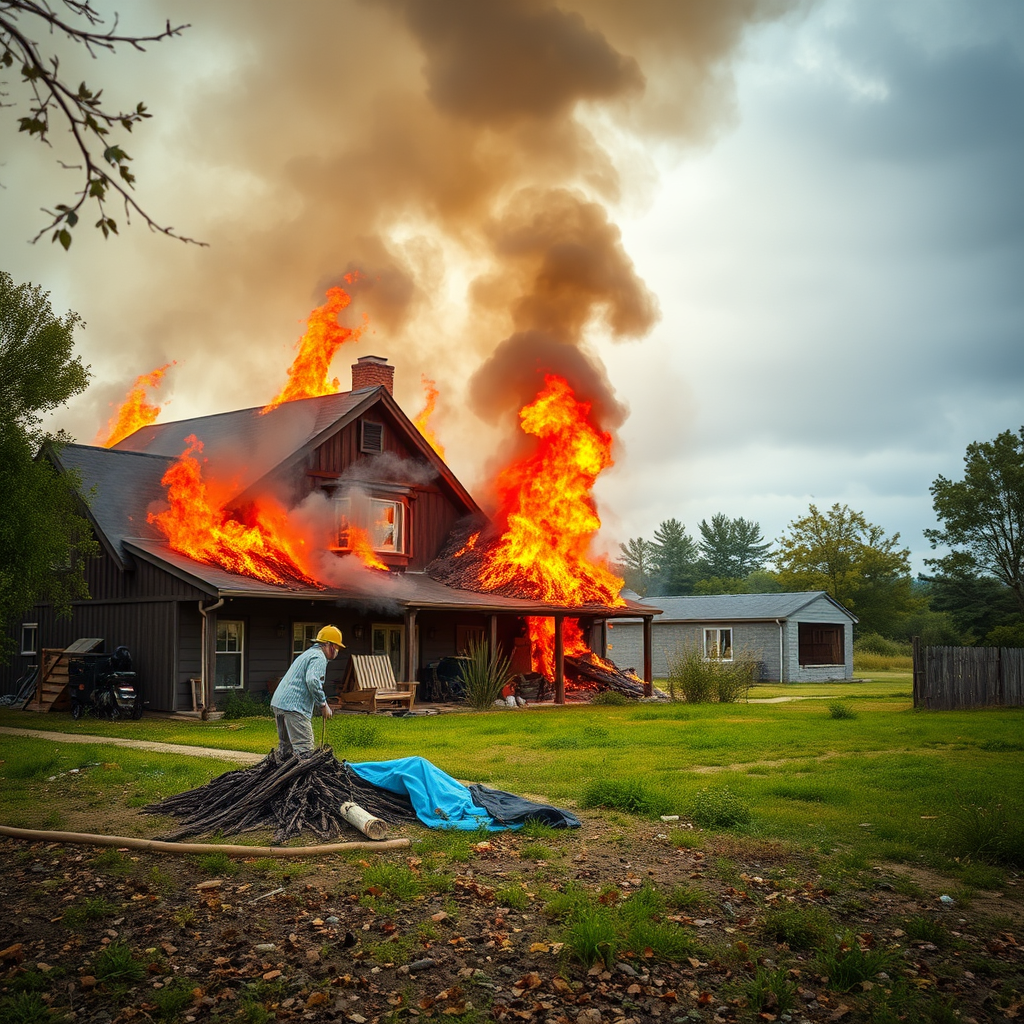
Arson is the intentional act of setting fire to property, and it is considered a serious crime with significant legal implications. Legally, arson is classified as a felony in most jurisdictions, carrying severe penalties, including imprisonment and restitution for damages. From an insurance perspective, arson can be complex. Most standard property insurance policies, including homeowners and commercial insurance, generally cover damages resulting from arson, as long as the fire was set by someone other than the policyholder. However, coverage can differ based on the specific terms and conditions outlined in the policy.
Insurance policies often have specific exclusions and conditions that must be met for claims to be honored. Understanding the nuances of your insurance coverage is crucial to ensure that you are adequately protected in the event of an arson incident.
Homeowners Insurance and Arson Claims
Typical homeowners insurance policies include coverage for fire damage, which extends to losses from arson. This coverage usually encompasses the dwelling itself, personal belongings, and sometimes additional living expenses if the home becomes uninhabitable due to fire damage. When filing a claim for arson, policyholders must demonstrate that the fire was indeed set intentionally by someone other than themselves.
There are various situations in which claims can be filed. For instance, if a neighbor maliciously sets fire to your property due to a dispute, your homeowners insurance may cover the damages incurred. However, there are potential exclusions that homeowners should be aware of—such as acts of terrorism or vandalism, which may not be covered in certain situations. Additionally, if the policyholder is found to have engaged in any fraudulent behavior, such as conspiring with the arsonist, the claim will likely be denied.
Commercial Property Insurance and Arson Incidents
Commercial property insurance provides coverage for businesses against various risks, including damage from arson. Depending on the policy, it may cover the building itself, inventory, equipment, and business interruption losses. It is essential for business owners to review their specific policy terms and conditions, as coverage can vary significantly between policies.
For example, some commercial insurance policies may require higher deductibles for fire-related claims or may have limits on how much can be claimed for specific types of property. Additionally, if arson is committed by an employee or an associated party, coverage may be affected. Business owners must ensure their policies are updated regularly to reflect current risks and values, as inadequate coverage can leave a business vulnerable to significant financial loss.
Filing an Insurance Claim for Arson Damage
Filing an insurance claim for arson damage requires prompt action and thorough documentation. The first step after an arson incident is to report the fire to the local authorities and insurance company as soon as possible. This not only establishes a record of the incident but also allows for a swift investigation.
Documentation is critical when filing a claim. Homeowners and business owners should gather evidence, including photographs of the damage, witness statements, and any relevant police reports. It is also advisable to keep a detailed inventory of lost or damaged items, along with their estimated values. This documentation will be essential in substantiating the claim and expediting the claims process.
The Role of Law Enforcement in Arson Cases
Law enforcement plays a vital role in arson cases, as they are responsible for investigating the incident and determining the cause of the fire. Their findings can significantly impact your insurance claim. Insurers typically require a police report to begin processing a claim related to arson. This report serves as an official record of the incident and provides crucial information regarding the investigation’s outcome, including whether or not charges were filed against the arsonist.
Obtaining a police report not only supports your claim but also helps establish the legitimacy of your losses. It is crucial to maintain communication with law enforcement throughout the investigation and ensure that you receive a copy of the report as soon as it becomes available.
Potential Challenges in Arson Claims
While many insurance claims for arson are valid, there are common reasons why they may be denied. One primary reason is the policyholder’s failure to meet the conditions outlined in their policy, such as reporting the incident within a specified timeframe. Additionally, insurers may deny claims if they suspect the policyholder had any involvement in the arson, whether through negligence or intentional wrongdoing.
To overcome obstacles during the claims process, clear communication with your insurance provider is essential. Be prepared to provide all necessary documentation and cooperate fully during the investigation. Consulting with an attorney or an insurance claims expert can also be beneficial if you face difficulties in receiving fair compensation for your losses.
Preventative Measures Against Arson
Preventing arson is crucial for protecting your property from potential attacks. Implementing security measures, such as installing surveillance cameras, motion detectors, and adequate lighting, can deter potential arsonists. Additionally, maintaining clear lines of sight around your property and addressing any overgrown vegetation can reduce fire hazards.
It is also important to have an updated insurance policy that reflects your current risks. Regularly reviewing your coverage ensures that you are adequately protected against the evolving threats of arson. Discussing your concerns with an insurance professional can provide valuable insights into the best ways to mitigate risks associated with arson.
Addressing the complexities of insurance coverage for arson can be daunting, but understanding your policy and the claims process is essential. By knowing your rights and preparing adequately, you can ensure that you are protected against the devastating effects of arson. If you suspect you may need to file a claim, consult your insurance provider to discuss your specific situation and options available to you.
Frequently Asked Questions
Does homeowners insurance cover damage from arson committed by someone else?
Typically, homeowners insurance does cover damage caused by arson, including incidents where the fire is set by someone else. However, the coverage can depend on the specific terms of your policy and the circumstances surrounding the event. It’s crucial to report the incident to your insurance company and provide any necessary documentation to support your claim for coverage.
How does insurance determine if arson was committed by someone else?
Insurance companies will investigate the circumstances of the fire to determine if it constitutes arson and if it was perpetrated by a third party. This investigation can include reviewing police reports, interviewing witnesses, and assessing the scene of the fire. If the evidence indicates intentional damage by someone other than the policyholder, the claim is more likely to be honored.
What should I do immediately after discovering arson damage to my property?
After discovering arson damage, your first step should be to ensure safety and call emergency services if necessary. Following that, document the damage with photographs, gather any relevant evidence, and file a police report. Finally, notify your insurance company as soon as possible to begin the claims process and receive guidance on the next steps.
Why might my insurance claim for arson be denied?
An insurance claim for arson might be denied for several reasons, such as insufficient evidence that the fire was intentionally set, failure to meet policy requirements, or if the insurer suspects fraud. Additionally, if the policyholder has a history of claims or if the circumstances surrounding the fire raise red flags, the insurer may choose to deny the claim. Always review your policy’s terms to understand your coverage better.
Which types of insurance policies typically cover arson damage?
Most homeowners insurance policies, as well as certain commercial property insurance policies, typically include coverage for arson damage. However, the extent of coverage can vary based on the specific policy and any exclusions that may apply. It’s advisable to review your policy details or consult with your insurance agent to ensure you have adequate protection against potential arson incidents.
References
- https://www.nolo.com/legal-encyclopedia/what-is-arson-32251.html
- https://www.insurance.wa.gov.au/faq/what-happens-if-someone-sets-my-property-fire
- https://www.ncbi.nlm.nih.gov/books/NBK46505/
- 404 – Page not found | III
- https://www.nytimes.com/2021/04/14/us/arson-fire-insurance.html