

Flood insurance typically does not cover mudslides, as they are generally classified as landslides rather than water-related flooding. Understanding the nuances between flood insurance and mudslide coverage is crucial for homeowners, especially those living in high-risk areas. This article will explain the distinctions between flood insurance and mudslide coverage, what homeowners should know, and alternative options for protection.
Understanding Flood Insurance
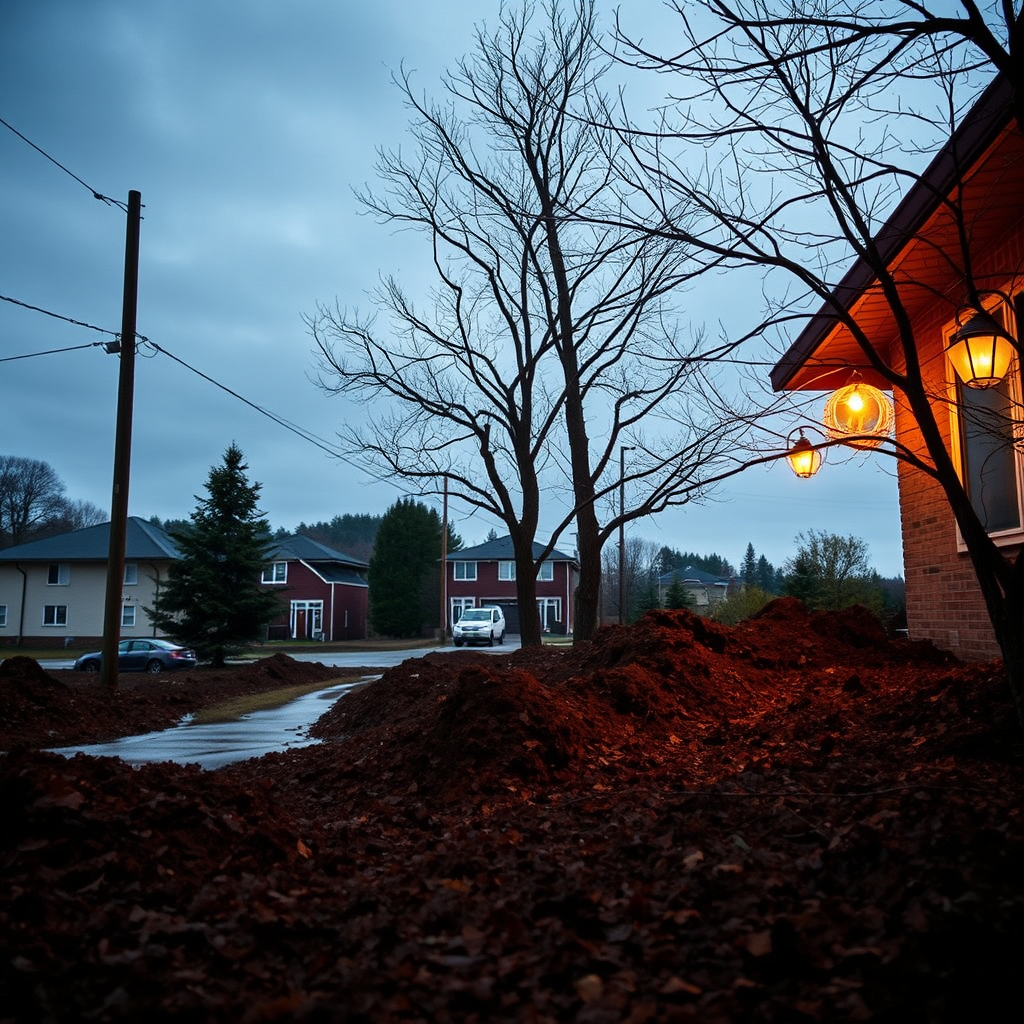
Flood insurance is specifically designed to cover damages that arise from rising water levels and flooding events. This type of insurance is critical for homeowners in flood-prone areas, as standard homeowners’ insurance policies often exclude flooding damage. Flood insurance is primarily offered through the National Flood Insurance Program (NFIP), which is managed by the Federal Emergency Management Agency (FEMA). Additionally, some private insurers also provide flood insurance policies that may offer more extensive coverage or tailored options.
Flood insurance policies typically cover structural damage to buildings and personal property, as well as certain types of cleanup costs. For example, if a home is inundated with water due to a hurricane or heavy rainfall, flood insurance can help cover the cost of repairs, replacement of damaged personal property, and necessary temporary housing. However, it is essential to note that these policies do not extend to damages caused by mudslides or landslides, highlighting the need for homeowners to be aware of their specific coverage limitations.
What Are Mudslides?
Mudslides, also known as debris flows, occur when heavy rainfall saturates the soil to the point where it can no longer support itself, resulting in a rapid downward movement of rock, soil, and debris down sloped terrain. Unlike floods, which involve the overflow of water onto normally dry land, mudslides are categorized as landslides, driven by the movement of earth materials. Various factors contribute to the occurrence of mudslides, including steep slopes, loose soil, and vegetation loss due to wildfires or other disturbances.
Mudslides can be incredibly destructive, posing threats not only to property but also to human safety. They can occur suddenly and with little warning, making them particularly hazardous for homeowners in vulnerable regions. Given their classification as landslides, damages resulting from mudslides are typically not covered under standard flood insurance policies.
Coverage Differences
The distinctions between flood insurance and mudslide coverage are significant and can have serious implications for homeowners. Flood insurance policies explicitly state the types of water-related damage that are covered, often excluding any form of landslide, including mudslides. This exclusion is a critical point for homeowners to understand, as many may mistakenly believe that their flood insurance will cover all water-related disasters.
For those who live in areas prone to mudslides, it is advisable to explore separate landslide insurance options. While specific landslide insurance may not be as widely available, some insurance companies do offer policies that include coverage for landslides, including mudslides, as part of their natural disaster insurance offerings. Homeowners should carefully assess their risks and consult with their insurance agents to ensure they have the necessary coverage to protect their property.
Policy Considerations
When it comes to insurance policies, understanding the details of what is and isn’t covered is crucial. Homeowners should thoroughly review their existing insurance policies, paying close attention to exclusions and limitations. Many insurance companies provide endorsements or additional coverage options that could be added to a standard policy, which might include coverage for landslides.
In addition to reviewing the policy details, homeowners should also inquire about the specific terms and conditions related to mudslide coverage. This information can help homeowners make informed decisions about the type of protection that best suits their needs. It is also wise to keep abreast of any changes in local laws or insurance regulations that can impact coverage options.
Steps for Homeowners
Homeowners living in areas susceptible to mudslides should take proactive steps to assess their risk and ensure adequate coverage. The first step is to evaluate the property’s location, considering factors such as slope, soil type, and the presence of vegetation. If the property is situated in a hilly or mountainous area, the risk for mudslides may be higher, necessitating additional insurance considerations.
Consulting with an insurance agent is an essential step in this process. A knowledgeable agent can provide insights into local risk factors, available coverage options, and the best strategies for ensuring that homeowners are adequately protected. They can also assist in navigating the complexities of insurance policies, helping homeowners to make informed decisions regarding their coverage.
Alternative Protection Options
For homeowners at risk of mudslides, it is prudent to explore alternative protection options beyond standard flood insurance. One effective strategy is to purchase a separate landslide insurance policy, which can provide crucial coverage in the event of a mudslide. While such policies may not be widely available in every region, it is essential to conduct thorough research and consult with insurance professionals to find the best options.
Additionally, local disaster relief programs may offer assistance to homeowners impacted by mudslides. Many communities have resources available to aid recovery efforts after natural disasters, including government grants and low-interest loans for home repairs. Homeowners should familiarize themselves with these resources to ensure they are prepared in the event of a mudslide.
In summary, understanding the differences between flood insurance and mudslide coverage is vital for homeowners living in at-risk areas. By assessing property risks, reviewing insurance policies, and exploring alternative protection options, homeowners can take proactive steps to safeguard their homes and financial well-being. Given the potential devastation of mudslides, being informed and prepared is essential for effective risk management.
Frequently Asked Questions
Does flood insurance cover mudslides?
Typically, standard flood insurance policies do not cover mudslides or landslides. Flood insurance, as defined by the National Flood Insurance Program (NFIP), primarily covers damages caused by rising water, such as flooding from heavy rain, storm surges, or overflowing rivers. Mudslides are usually considered a different type of natural disaster and may require separate landslide insurance for proper coverage.
What type of insurance covers mudslides?
To protect against mudslides, you may need a specific landslide or earth movement insurance policy. Some homeowners’ insurance policies include limited coverage for mudslides, but it is essential to check your policy details. Additionally, certain specialty insurers offer coverage specifically for landslides, so it’s advisable to consult with your insurance agent to understand your options based on your location and risk level.
Why is mudslide insurance important for homeowners in high-risk areas?
Mudslide insurance is crucial for homeowners in high-risk areas due to the potential for significant property damage and loss. Unlike flood insurance, which primarily deals with water damage, mudslides can cause structural damage to homes and landscapes, making them more prone to costly repairs. Without proper coverage, homeowners may face substantial financial burdens following a mudslide event, underscoring the importance of securing appropriate insurance.
How can I determine if my property is at risk for mudslides?
To determine if your property is at risk for mudslides, you can consult local geological surveys and maps that identify landslide-prone areas. Additionally, consider factors such as slope steepness, soil composition, and proximity to water sources. Engaging with a qualified geotechnical engineer or soil specialist can provide insights into your specific property’s vulnerability to mudslides, helping you make informed decisions about necessary insurance coverage.
Which factors affect the cost of mudslide insurance?
The cost of mudslide insurance is influenced by several factors, including the location of your property, the extent of your risk exposure, the elevation and slope of the land, and the type of construction of your home. Additionally, the insurance provider’s underwriting criteria and the coverage limits you choose will impact your premium. To find the best rates, it’s advisable to compare quotes from different insurers and understand the specific terms of their coverage related to mudslides.
References
- https://www.fema.gov/insurance/flood-insurance
- https://www.ready.gov/landslides
- https://www.insurance.wa.gov/mudslides-and-landslides
- https://www.nationalgeographic.com/environment/article/mudslides
- https://www.nytimes.com/2021/01/15/us/mudslides-california.html
- https://www.nrcs.usda.gov/wps/portal/nrcs/main/national/water/manage/flood/
- https://www.usgs.gov/natural-hazards/landslide-hazards/mudslides
- https://www.nws.noaa.gov/om/mudslide.htm



