
Understanding whether DJs need insurance is crucial for protecting their business and personal assets. The short answer is yes; DJs should have insurance to safeguard against potential liabilities and risks associated with their performances. As independent contractors or small business owners, DJs face unique challenges that can lead to significant financial repercussions if things go awry. This article will delve into the various types of insurance available, the specific risks DJs face, and the benefits of having proper coverage.
Why Insurance is Essential for DJs
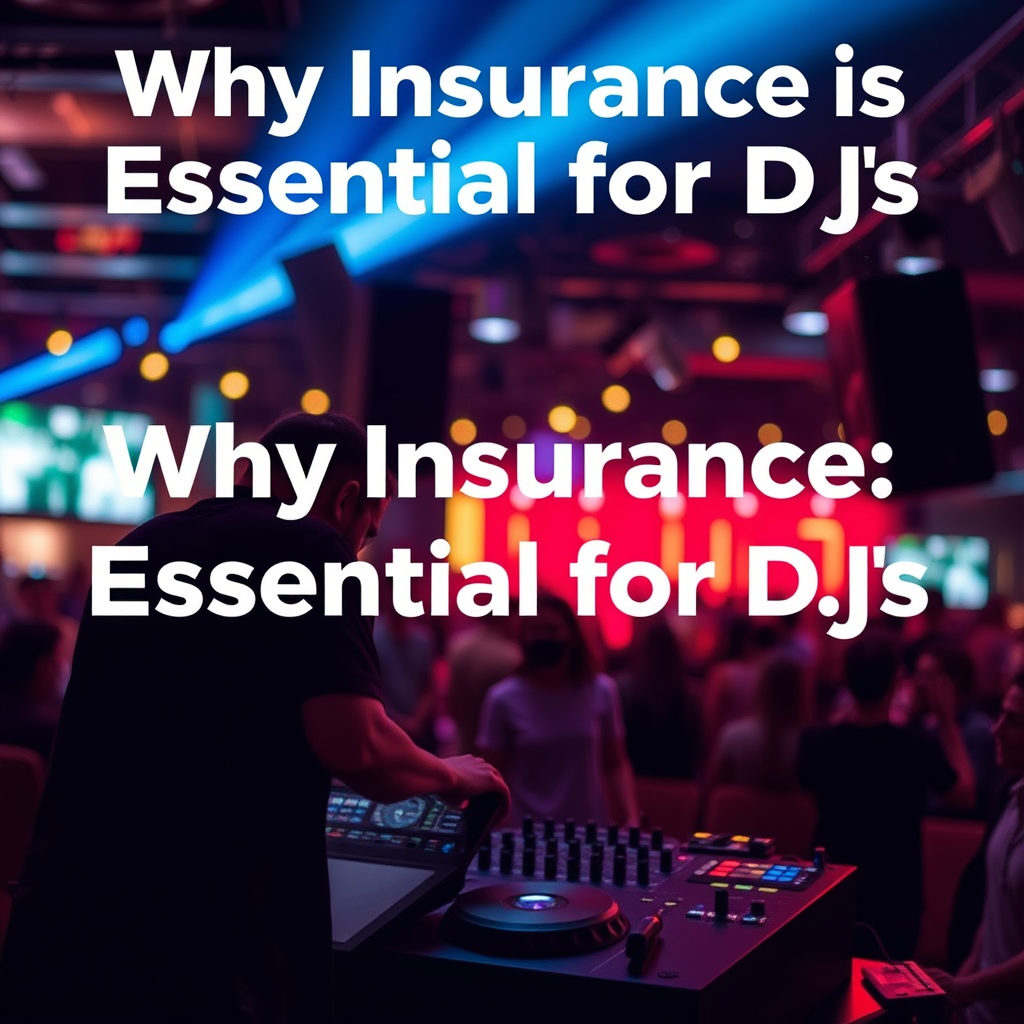
Insurance serves as a safety net for DJs, particularly when they are actively engaged in events and performances. One of the primary reasons DJs need insurance is to protect against liability claims that may arise from accidents or injuries occurring during events. For instance, if a speaker falls and injures a guest, the DJ could be held liable for medical costs, legal fees, and other associated expenses.
Moreover, DJs often invest substantial amounts in their equipment, including sound systems, lighting, and DJ software. Insurance protects against damages to this gear or third-party property that may occur while performing. In the event of theft or accidental damage, having the right coverage can be a lifesaver, allowing DJs to replace their equipment without incurring significant financial loss.
Types of Insurance for DJs
There are several types of insurance policies available that cater specifically to the needs of DJs.
– General Liability Insurance: This is the most fundamental type of coverage for DJs. It protects against bodily injury and property damage claims, which can arise from various incidents during performances. For example, if a guest trips over a power cord and sustains an injury, general liability insurance would cover the medical expenses and any legal fees associated with a lawsuit.
– Equipment Insurance: DJs rely heavily on their equipment to deliver exceptional performances. Equipment insurance safeguards this investment by covering theft, loss, or damage to gear. For instance, if a DJ’s laptop is stolen from their vehicle or damaged during transport, equipment insurance would provide the necessary funds for repair or replacement.
Another important type of coverage is Professional Liability Insurance, which protects against claims of negligence or inadequate work. This is particularly relevant for DJs who offer additional services, such as event planning or music selection, where clients may hold them accountable for any perceived shortcomings.
Common Risks Faced by DJs
DJs encounter various risks that can lead to financial loss or legal issues.
– Accidental Injuries: One of the foremost risks is the potential for accidental injuries to guests or staff. Equipment malfunctions, such as a falling speaker or tripping hazards posed by cables and cords, can lead to serious injuries. In these scenarios, liability claims can arise, costing DJs significant amounts in legal fees and settlements.
– Damage to Third-Party Property: DJs may also be responsible for damaging venue property or equipment. If a DJ’s equipment causes damage to a venue’s sound system or decorative elements, the venue owner may seek compensation. Such incidents can lead to disputes and hefty costs for the DJ if not appropriately insured.
– Event Cancellations: While most DJs prepare for the unexpected, cancellations due to weather, illness, or venue issues can pose serious financial risks. Some insurance policies, like cancellation insurance, can help mitigate losses from such unforeseen circumstances.
Benefits of Having Insurance
Having insurance provides numerous advantages that extend beyond mere protection against financial loss.
– Peace of Mind: Knowing that you are covered in case of unexpected incidents allows DJs to focus on their performances without the constant worry of potential liabilities. This peace of mind can enhance performance quality, as DJs can concentrate on engaging with their audience rather than fretting over potential pitfalls.
– Enhanced Professionalism: Possessing insurance not only protects DJs but also enhances their professionalism and credibility with clients and venues. Clients are more likely to trust a DJ who can demonstrate that they have the necessary coverage to handle potential issues. This can lead to more booking opportunities and higher rates.
– Long-term Financial Security: Investing in insurance may initially seem like an added expense, but it can save DJs from financial ruin in the event of a claim. The costs associated with legal fees, equipment replacement, or liability settlements can be financially devastating, making insurance a prudent investment in long-term career sustainability.
How to Choose the Right Insurance
Choosing the right insurance requires careful consideration of your specific needs based on the types of events you perform.
– Assess Your Needs: DJs should evaluate their risk exposure by considering factors such as the frequency of events, types of venues, and the scale of performances. A DJ who frequently performs at large events may require higher coverage limits than one who plays at smaller, private functions.
– Compare Quotes: Once you have a clear understanding of your needs, it’s time to compare quotes and coverage options from multiple insurance providers. Look for policies that offer comprehensive coverage tailored to the unique challenges faced by DJs. Reading reviews and seeking recommendations from other DJs can also provide valuable insights.
– Consult with Professionals: It may be beneficial to consult with an insurance broker who specializes in entertainment or event insurance. They can help navigate the complexities of policies and ensure that you choose the coverage that best fits your needs.
Cost of Insurance for DJs
The cost of insurance for DJs can vary significantly based on various factors.
– Average Costs: On average, general liability insurance for DJs can range from $300 to $1,000 annually, depending on coverage limits and the risk profile of the DJ. Equipment insurance costs can vary based on the value of the gear, typically ranging from $200 to $500 per year.
– Factors Influencing Premiums: Several factors influence insurance premiums, including the DJ’s location, the number of events performed each year, and the types of venues worked. Additionally, claims history and overall experience in the field can impact rates. DJs with a clean record will likely receive lower rates than those with past claims.
It’s essential for DJs to budget for insurance as part of their overall business expenses to ensure they are adequately protected.
Taking proactive steps in securing insurance coverage is essential to protect their career and livelihood as a DJ. By understanding the importance of insurance, assessing specific needs, and selecting appropriate policies, DJs can mitigate risks and focus on delivering unforgettable performances. Whether you’re a seasoned professional or just starting, investing in insurance is a crucial step in safeguarding your future in the entertainment industry.
Frequently Asked Questions
Why do DJs need insurance for their events?
DJs need insurance primarily to protect themselves from potential liabilities that may arise during events. This includes coverage for accidental injuries to attendees, damage to equipment, or even loss of income due to unforeseen circumstances. Having insurance provides peace of mind and ensures that DJs can focus on their performance rather than worrying about potential legal or financial repercussions.
What types of insurance should DJs consider?
DJs should consider several types of insurance, including general liability insurance, which covers bodily injury and property damage claims, and equipment insurance, which protects against loss or damage to their gear. Additionally, event cancellation insurance can be beneficial to safeguard against financial loss due to an event being canceled for reasons beyond their control. These insurance types help ensure comprehensive coverage for various risks associated with DJing.
How much does DJ insurance typically cost?
The cost of DJ insurance can vary significantly based on factors such as location, the scale of the events, and the specific coverage types selected. On average, DJs can expect to pay between $300 to $800 annually for general liability insurance. It’s important for DJs to shop around and obtain quotes from different providers to find the best coverage options that fit their budget and needs.
Which events require DJs to have insurance?
While not every event mandates insurance, most professional venues, festivals, and corporate events require DJs to have liability insurance as a prerequisite for booking. Events with a larger audience or those held in public spaces are more likely to enforce insurance requirements. Additionally, it is wise for DJs to have insurance for private parties and weddings to protect against any unforeseen incidents.
How can DJs obtain insurance coverage?
DJs can obtain insurance coverage by researching and contacting specialized insurance providers that cater to entertainers and event professionals. Many companies offer online quotes and easy application processes tailored for DJs. It’s recommended for DJs to read reviews, compare policies, and consult with an insurance agent to ensure they select the best coverage that meets their specific needs and protects their business effectively.
References
- Disc jockey
- https://www.thebalancecareers.com/dj-insurance-2892807
- https://www.entrepreneur.com/article/303556
- https://www.economy.gov.au/business/business-structure/insurance
- https://www.insurance.com/business-insurance/requirements-for-djs.html