

Yes, student loan forgiveness can be reversed under specific conditions. Borrowers may face the revocation of their forgiveness if they fail to meet eligibility requirements or if there are changes in their loan status. Understanding the nuances of these conditions is crucial for borrowers who rely on forgiveness programs to alleviate their financial burdens. This article delves into the various aspects of student loan forgiveness, including the types of programs available, the reasons forgiveness might be reversed, the implications this has for borrowers, and proactive measures to safeguard against such reversals.
Understanding Student Loan Forgiveness
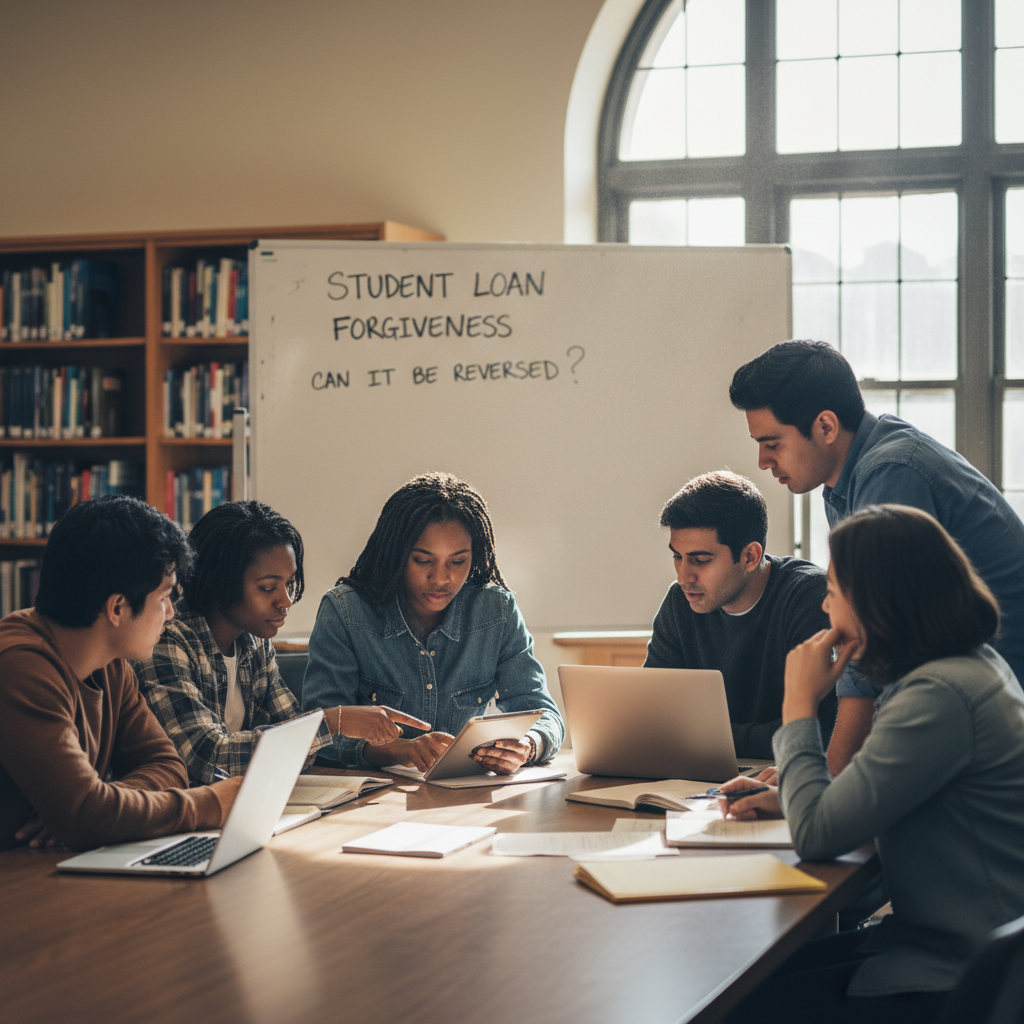
Student loan forgiveness programs are designed to provide relief to borrowers who meet specific criteria. Two of the most prominent programs are the Public Service Loan Forgiveness (PSLF) and income-driven repayment (IDR) forgiveness plans.
The PSLF program is aimed at individuals who work in qualifying public service jobs, including government and non-profit organizations. To be eligible, borrowers must make 120 qualifying monthly payments under a qualifying repayment plan while working full-time for a qualifying employer.
Income-driven repayment plans, such as Pay As You Earn (PAYE) and Revised Pay As You Earn (REPAYE), allow borrowers to pay a percentage of their discretionary income toward their loans for a set period, often 20 or 25 years, after which the remaining balance may be forgiven. Eligibility for these plans depends on demonstrating financial need and meeting the repayment criteria.
It is essential for borrowers to familiarize themselves with the specific requirements of each program to maximize their chances of receiving forgiveness.
Conditions for Reversal of Forgiveness
While student loan forgiveness provides significant financial relief, it is not guaranteed permanence. Certain situations can lead to the reversal of forgiveness, which can be distressing for borrowers. One primary reason for reversal is the failure to meet employment requirements. For instance, if a borrower changes jobs and no longer works in a qualifying public service position, their eligibility for PSLF may be compromised, resulting in the loss of previously granted forgiveness.
Additionally, changes in loan status can also trigger revocation. For example, if a borrower consolidates their loans after receiving forgiveness, the original loans may lose their status, leading to the possibility of repayment obligations returning.
Legal and administrative reasons can also play a role. For instance, if a borrower is found to have submitted fraudulent information during the application process, or if there are changes in federal regulations that impact the forgiveness program, this could lead to a reversal. It’s crucial for borrowers to remain vigilant and informed about their loan status and any changes in policy that may affect their forgiveness.
Impact of Reversal on Borrowers
The financial implications of having student loan forgiveness revoked can be significant. Borrowers who relied on forgiveness may suddenly find themselves facing substantial repayment obligations, which can disrupt their financial planning and lead to increased stress. For instance, a borrower who anticipated having their loans forgiven after 10 years of public service might suddenly find themselves needing to repay a balance that could exceed tens of thousands of dollars.
Beyond the financial impact, the emotional and mental health effects of losing loan forgiveness can be profound. Borrowers often invest a considerable amount of time and effort into meeting the requirements for forgiveness, and the sudden reversal can lead to feelings of betrayal, anxiety, and uncertainty about the future. This emotional toll is further exacerbated by the burden of debt, which can affect various aspects of a borrower’s life, including their ability to purchase a home, save for retirement, or invest in other opportunities.
Steps to Take if Forgiveness is Reversed
If a borrower finds themselves in the unfortunate position of having their student loan forgiveness reversed, there are steps they can take to address the situation. The first step is to appeal the decision. Borrowers should carefully review the reasons provided for the reversal and gather any supporting documentation that may help their case. Most student loan servicers have an appeals process in place, and understanding this process can empower borrowers to advocate for themselves effectively.
Additionally, several resources and organizations can provide assistance during this challenging time. Nonprofit organizations such as the Student Borrower Protection Center offer guidance and support for borrowers navigating forgiveness issues. Legal aid services may also be available in some areas, providing free or low-cost assistance to those facing the complexities of student loan forgiveness.
Preventative Measures to Protect Forgiveness
To protect against the potential reversal of student loan forgiveness, borrowers should adopt proactive measures. Keeping accurate records of employment and payments is essential. This includes maintaining pay stubs, employment verification letters, and documentation of qualifying payments. Such records can be invaluable if questions about eligibility arise.
Regularly reviewing loan status and staying informed about changes in policy is equally important. Borrowers should take the time to check in with their loan servicer periodically to ensure they remain in good standing and are aware of any regulatory changes that might affect their forgiveness status.
Engaging with community resources, attending workshops on student loans, and utilizing online tools can also help borrowers stay educated about their rights and responsibilities regarding student loan forgiveness.
Future of Student Loan Forgiveness
The future of student loan forgiveness remains a topic of considerable discussion and potential legislative change. As of October 2023, various proposals are circulating in Congress aimed at reforming student loan forgiveness programs, which could impact eligibility criteria and the processes involved in obtaining forgiveness.
Trends within the education sector indicate a growing recognition of the challenges posed by student debt, leading to increased advocacy for more robust and accessible forgiveness options. As discussions evolve, borrowers should remain vigilant and engaged with the latest developments to ensure they are prepared for any changes that may affect their financial circumstances.
The landscape of student loan forgiveness may seem uncertain, but understanding the conditions that can lead to reversals and knowing how to protect yourself can make a significant difference. By staying informed about eligibility requirements, maintaining accurate records, and utilizing available resources, borrowers can better navigate the complexities of student loan forgiveness. If you’ve found this information useful, stay informed about your options and take proactive steps to ensure your financial future remains secure.
Frequently Asked Questions
What circumstances could lead to the reversal of student loan forgiveness?
Student loan forgiveness can be reversed if a borrower fails to meet the eligibility requirements after their loans have been forgiven. This can include situations such as not completing the necessary payment periods, or if the borrower returns to a non-qualifying job after receiving forgiveness. Additionally, if a borrower does not maintain the required employment status or if they default on their loans, forgiveness could potentially be revoked.
How can I ensure my student loan forgiveness is not reversed?
To ensure that your student loan forgiveness is not reversed, it is crucial to maintain compliance with all eligibility criteria set by your forgiveness program. This includes consistently meeting employment requirements, making timely payments if applicable, and keeping accurate records of your service hours and employment status. Regularly reviewing your eligibility and staying informed about any changes in the forgiveness program can also help safeguard your benefits.
Why might the government change or reverse student loan forgiveness policies?
The government might change or reverse student loan forgiveness policies due to budgetary constraints, shifting political priorities, or changes in administration. Economic conditions, public opinion, and new legislation can also influence the sustainability and structure of forgiveness programs. These changes can impact current borrowers, so it’s important to stay updated on any legislative developments regarding student loan policies.
What should I do if I believe my student loan forgiveness has been wrongfully reversed?
If you believe your student loan forgiveness has been wrongfully reversed, the first step is to contact your loan servicer to get a detailed explanation of the reversal. Gather all relevant documentation, such as proof of employment and payment history, to support your case. You can also submit a formal appeal or complaint through the Department of Education or seek assistance from a student loan advocate to help navigate the process.
Which student loan forgiveness programs are most at risk of being reversed?
Programs like Public Service Loan Forgiveness (PSLF) and Income-Driven Repayment (IDR) forgiveness are often considered more susceptible to changes and potential reversals. This is due to their specific eligibility requirements and the ongoing scrutiny regarding their implementation and effectiveness. Borrowers should stay informed about these programs and any proposed legislative changes that might affect their forgiveness status to mitigate risks.
References
- https://www.ed.gov/news/press-releases/fact-sheet-student-loan-forgiveness
- https://www.nytimes.com/2023/09/29/us/politics/student-loan-forgiveness.html
- https://www.brookings.edu/research/the-future-of-student-loan-forgiveness/
- https://www.cnbc.com/2023/09/29/student-loan-forgiveness-can-it-be-reversed.html
- https://www.washingtonpost.com/business/2023/09/29/student-loan-forgiveness-reversal/
- https://www.insidehighered.com/news/2023/10/01/student-loan-forgiveness-challenges
- https://www.nasfaa.org/news-item/30788/what-happens-if-student-loan-forgiveness-is-reversed
- https://www.theguardian.com/us-news/2023/sep/29/student-loan-forgiveness-reversal-impacts