

Building a house with an FHA loan is indeed possible, but there are specific guidelines and requirements to follow. This financing option allows for the purchase of a new home, including construction, under certain conditions. In this article, we’ll explore how FHA loans can facilitate home construction and what you need to know to successfully navigate the process.
Understanding FHA Loans
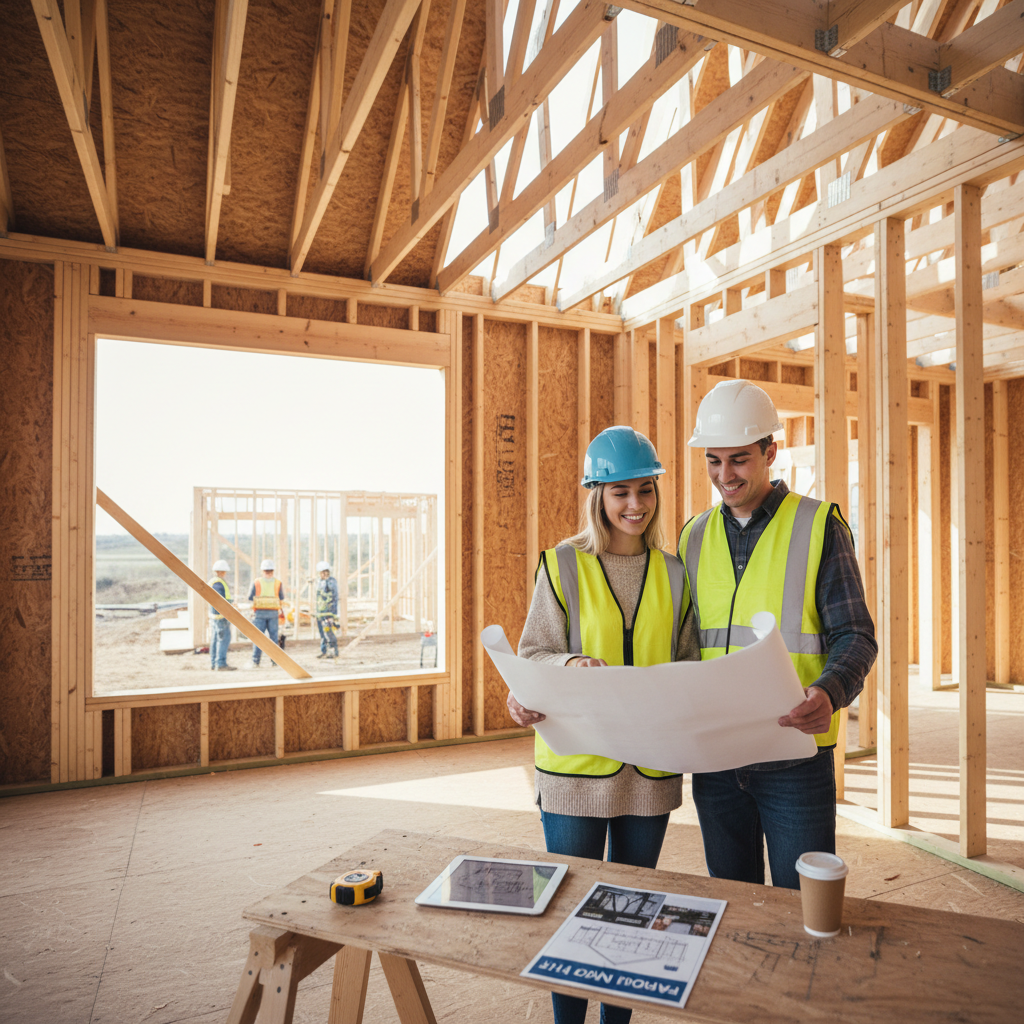
FHA loans are government-backed mortgages designed primarily to assist low-to-moderate-income buyers in achieving homeownership. One of the most attractive features of FHA loans is their potential for lower down payments, often as low as 3.5% of the purchase price, which significantly reduces the upfront financial burden on borrowers. Additionally, FHA loans tend to have more flexible credit requirements compared to conventional loans, enabling individuals with lower credit scores to qualify. This inclusive approach to lending makes FHA loans a favorable option for first-time homebuyers and those with limited financial resources.
The Federal Housing Administration (FHA) insures these loans, which encourages lenders to offer favorable terms, resulting in less stringent qualifying criteria. However, it is essential to understand that FHA loans come with certain limits based on the geographic location of the property, which means that potential borrowers should check the FHA loan limits in their area before proceeding.
Eligible Properties for FHA Loans
When it comes to new construction homes, there are specific criteria that must be met to qualify for an FHA loan. The property must adhere to FHA standards and be constructed by builders approved by the FHA. This approval process ensures that the homes meet safety, security, and soundness standards, which are crucial for protecting buyers’ investments.
FHA loans can be utilized for various types of properties, including single-family homes, multi-family homes (up to four units), and select manufactured homes. It is important to note that for multi-family properties, at least one unit must be occupied by the borrower, which allows for rental income to help offset mortgage payments. Buyers should also be aware that while FHA loans cover new construction, they cannot be used for investment properties or vacation homes.
The FHA 203(k) Loan Program
The FHA 203(k) loan program is a unique offering that allows borrowers to purchase a home and finance both the acquisition and renovation costs within a single mortgage. This program is particularly beneficial for those looking to build a new home or make significant improvements to an existing property. The 203(k) loan has two options: the Standard 203(k) and the Limited 203(k).
The Standard 203(k) is designed for extensive repairs and renovations, allowing for a wide range of projects, including structural alterations and modernization. On the other hand, the Limited 203(k) is ideal for minor improvements and repairs, with a cap on the amount that can be financed. This makes it easier for homebuyers to manage costs while ensuring their new home meets their needs and preferences.
Homebuyers interested in the 203(k) program should work closely with a qualified lender to ensure they understand the specific requirements and processes involved, as well as to receive guidance on the necessary documentation and project plans.
Key Requirements for Building with an FHA Loan
To successfully obtain an FHA loan for building a house, borrowers must meet specific criteria. Firstly, creditworthiness is evaluated, typically requiring a minimum credit score of 580 for a 3.5% down payment or 500 for a 10% down payment. Additionally, lenders will assess the borrower’s debt-to-income (DTI) ratio, which should ideally not exceed 43%. This ratio compares the borrower’s monthly debt payments to their gross monthly income, serving as a crucial indicator of financial health.
Furthermore, the proposed construction must undergo inspection and appraisal by an FHA-approved appraiser. This appraisal process is essential for determining the property’s value and ensuring it meets FHA compliance standards. It is advisable for borrowers to incorporate an experienced contractor in their planning phase to ensure that the proposed construction aligns with FHA guidelines and local building codes.
Finding the Right Lender
Not all lenders offer FHA loans, particularly those specific to construction and renovation. Therefore, it is vital to find a lender experienced in handling FHA loans and knowledgeable about the nuances of construction financing. When evaluating potential lenders, borrowers should compare terms, interest rates, and fees to identify the best option for their needs.
It can also be beneficial to seek recommendations from real estate professionals or to conduct thorough online research to identify lenders with positive customer reviews. Engaging with a lender early in the process can provide insight into eligibility, loan limits, and potential financing options, laying a solid foundation for a successful construction project.
Steps to Secure an FHA Loan for Construction
Securing an FHA loan for construction involves several key steps. First and foremost, prospective borrowers should gather all necessary documentation, including proof of income, tax returns, bank statements, and credit history. This information will help streamline the application process and give lenders a comprehensive view of the borrower’s financial situation.
Next, working with a licensed contractor is essential in creating a detailed project plan and budget that adheres to FHA guidelines. This plan should outline the scope of work, timelines, and estimated costs to ensure that the project remains within the borrower’s budget and complies with FHA requirements. Once the project plan is established, borrowers can submit their loan application with all supporting documentation for lender review.
Throughout the process, communication with the lender is crucial. Borrowers should maintain open lines of communication to address any questions or concerns that arise, ensuring a smoother experience from application to closing.
Building a house using an FHA loan is a viable option for many buyers, but it requires understanding the specific rules and processes involved. By learning about FHA loans and preparing adequately, you can take the first steps toward constructing your dream home. Consider consulting with a mortgage advisor to explore your options and get started on your journey to homeownership.
Frequently Asked Questions
Can you build a house with an FHA loan?
Yes, you can build a house with an FHA loan, specifically through the FHA’s 203(k) loan program, which is designed for home renovation and construction. This program allows you to finance both the purchase of the land and the construction costs in one mortgage. However, it’s essential to work with an approved FHA lender who understands the specific requirements and can guide you through the process.
What are the requirements for using an FHA loan to build a house?
To use an FHA loan for building a house, you must meet specific requirements, including a minimum credit score of 580 for a 3.5% down payment, proof of steady income, and a debt-to-income ratio of 43% or lower. Additionally, the construction must be performed by a licensed contractor, and the home must meet FHA’s safety and quality standards. It’s crucial to prepare all necessary documentation to ensure a smooth approval process.
How does the FHA 203(k) loan process work for new construction?
The FHA 203(k) loan process for new construction involves several key steps. First, you’ll need to select a licensed contractor to create a detailed construction plan and budget. After submitting your application, the lender will assess your financials, the property, and the proposed construction plan. Once approved, the funds are placed in an escrow account and disbursed in stages as construction progresses, ensuring that the project is completed according to the approved plan.
Why should I consider using an FHA loan for building a house?
Using an FHA loan for building a house can be beneficial due to its lower down payment requirements and more flexible credit standards compared to conventional loans. This makes it an attractive option for first-time homebuyers or those with limited savings. Additionally, the ability to bundle land purchase and construction costs into a single loan simplifies the financing process, making home building more accessible.
Which types of properties are eligible for construction with an FHA loan?
With an FHA loan, you can build various types of properties, including single-family homes and multi-family units (up to four units). However, the property must be your primary residence, and it must meet FHA’s minimum property standards once completed. Additionally, the construction should not involve luxury items or excessive upgrades, as the FHA aims to ensure that the home remains affordable for buyers.
References
- https://www.hud.gov/program_offices/housing/sfh/ins/FHA_loan_types
- https://www.investopedia.com/terms/f/fha-loan.asp
- Submit a complaint | Consumer Financial Protection Bureau
- https://www.nahb.org/advocacy/industry-issues/fha-loans
- https://www.forbes.com/advisor/mortgages/fha-loans/
- https://www.hud.gov/program_offices/housing/sfh/ins/FHA_Construction_Loans
- https://www.nerdwallet.com/article/mortgages/fha-loans-guide
- https://www.bankrate.com/mortgages/fha-loan/
- https://www.fha.com/fha_loan_types