

While it may seem that a charged-off auto loan cannot be repossessed, the reality is more complex. Even after a loan is charged off by the lender, they still retain the right to repossess the vehicle until the loan is paid in full. This situation can lead to confusion and anxiety for borrowers. In this article, we’ll explore the implications of a charged-off loan, what it means for your vehicle, and your options moving forward.
Understanding Charged Off Loans
A charged-off loan occurs when a lender declares that they do not expect to collect the debt. This typically happens after several months of missed payments—usually around six months, but it can vary depending on the lender’s policies. When a loan is charged off, it is transferred to the lender’s financial statements as a loss, and they may write it off for tax purposes. However, the debt remains legally owed; this means that even if the lender has deemed the loan a loss, the obligation to repay it does not disappear. The lender may still pursue collection efforts, which can include legal action or selling the debt to a collection agency.
For borrowers, a charged-off status can feel like a dead end, but it is crucial to understand that the debt is still in existence, and lenders will typically explore various avenues to recover their losses. This includes contacting borrowers directly, pursuing legal action, or potentially initiating repossession of the vehicle, depending on the circumstances.
The Repossession Process Explained
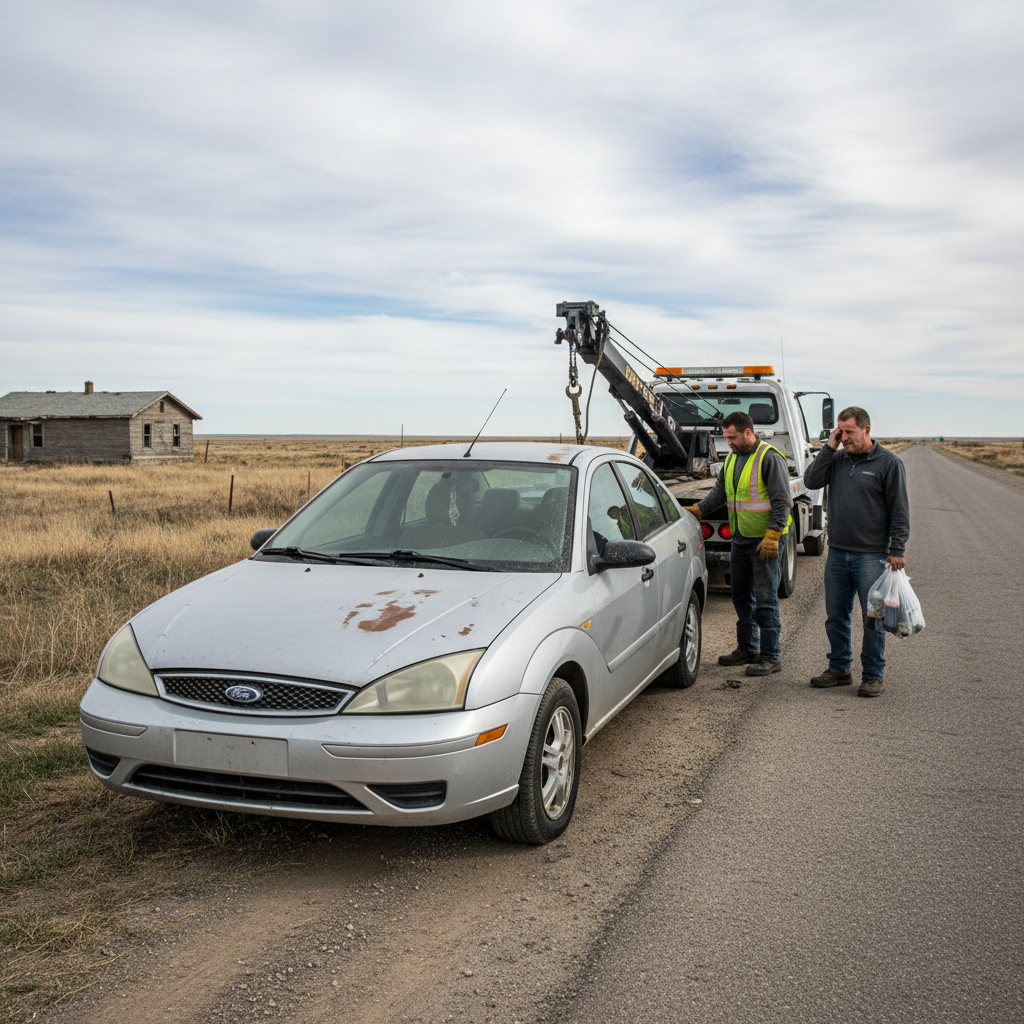
Lenders can initiate repossession at any time until the debt is settled. This means that even after a loan is charged off, the lender may choose to repossess the vehicle if they believe it is necessary for recovering their financial loss. The repossession process can occur without a court order in many states, allowing lenders to act swiftly.
The repossession process generally involves the lender or a third-party repossession agent locating the vehicle and taking possession of it. Depending on state laws, the lender may not even need to provide prior notice before repossessing the vehicle, although many lenders do attempt to communicate with borrowers before taking such action.
Moreover, different states have varying regulations regarding repossession, so it’s essential for borrowers to familiarize themselves with local laws. For example, some states require lenders to provide written notice before repossession, while others allow for immediate action. Understanding these nuances can help borrowers navigate the repossession landscape more effectively.
Impact of Charge-Off on Credit Score
A charged-off account significantly damages your credit score. When a lender reports a charge-off to the credit bureaus, it negatively impacts the borrower’s credit profile, often resulting in a drop of 100 points or more. This charge-off stays on the credit report for seven years, making it a long-term hurdle for anyone seeking new credit.
Future lenders may view this as a red flag, making it harder to obtain credit. This means that even if you are able to negotiate a settlement or a payment plan, the charge-off will continue to affect your creditworthiness for years to come. Individuals with charged-off loans may find it challenging to secure favorable interest rates on future loans, or they may be denied credit altogether.
For example, if a borrower with a charged-off auto loan applies for a mortgage, the lender may consider the charge-off indicative of their financial irresponsibility, resulting in higher interest rates or outright denial of the loan application. Therefore, it is critical for borrowers to take steps to mitigate the impact of a charged-off loan on their credit scores.
Your Rights as a Borrower
Borrowers have rights regarding repossession, including receiving notice before repossession occurs. The Fair Debt Collection Practices Act (FDCPA) provides guidelines for how lenders and collection agencies must conduct themselves when collecting a debt. This includes the requirement to inform borrowers of their rights and the debt owed.
Additionally, understanding state laws can help you know what protections you have. For instance, some states require lenders to send a notice before repossession, providing borrowers with an opportunity to rectify their payment situation. If a lender fails to adhere to these laws, borrowers may have grounds to contest the repossession.
It is also worth noting that if a repossession occurs, borrowers have the right to reclaim their vehicle after paying back the amount owed, including any fees associated with the repossession. Knowing your rights can empower you to negotiate better terms with your lender or to challenge unlawful repossessions.
Options After a Charge-Off
If you find yourself in a situation with a charged-off auto loan, you still have options. One potential avenue is to negotiate with the lender for a settlement or a payment plan. Many lenders are willing to work with borrowers to recover as much of the debt as possible, especially if they believe that the borrower is making a genuine effort to resolve the situation.
Another option is to explore refinancing opportunities if you wish to keep the vehicle. Refinancing can provide a way to lower your monthly payments or secure a more favorable interest rate, especially if your credit has improved since the charge-off. However, this option may be limited, as lenders typically check your credit score before approving a refinance application.
Additionally, if you are facing financial difficulties, consider reaching out to a credit counseling service. These organizations can help you develop a plan to manage your debts, including the charged-off loan, and may negotiate on your behalf to create more manageable repayment options.
Preventing Future Issues
To avoid future issues with charged-off loans, it’s essential to keep communication open with lenders if you face financial difficulties. Many lenders have programs or options available for borrowers who are struggling, but they can only assist if they are aware of the situation. Proactively discussing your financial hardships can often lead to more favorable outcomes than avoiding the lender altogether.
Moreover, prioritize making payments on time to avoid future charge-offs. Setting up automatic payments or reminders can help you stay on track. If you know that you’re going to miss a payment, reach out to your lender as soon as possible; they may offer a grace period or alternative solutions that could prevent a charge-off from occurring.
Finally, consider building an emergency fund to cover unexpected expenses, which can help you avoid falling behind on your auto loan or other financial obligations in the future.
In summary, understanding the implications of a charged-off auto loan is crucial for borrowers. Even after a loan is charged off, repossession remains a possibility until the debt is resolved. If you find yourself in this situation, it is essential to explore your options for negotiation, stay informed about your rights, and take proactive steps to prevent similar issues in the future. For more personalized advice, consulting a financial advisor or attorney can provide additional insights tailored to your specific circumstances.
Frequently Asked Questions
Can a charged off auto loan still lead to repossession?
Yes, a charged off auto loan can still lead to repossession. When a lender charges off a loan, it means they have deemed it unlikely to be collected and written it off as a loss for accounting purposes. However, you are still legally obligated to pay the debt, and the lender retains the right to repossess the vehicle if payments are not made, regardless of the charge-off status.
What happens to my credit score if my auto loan is charged off but the vehicle is repossessed?
If your auto loan is charged off and the vehicle is subsequently repossessed, both events will negatively impact your credit score. A charge-off indicates serious delinquency, while a repossession adds another derogatory mark to your credit report. This combination can significantly lower your credit score and make it more difficult to secure future loans or favorable interest rates.
How long after a charge-off can a lender repossess my car?
A lender can repossess your car at any time after the loan has been charged off, as long as they have not waived their right to do so. Generally, this can happen weeks or even months after the charge-off, depending on the lender’s policies and the specific circumstances of your account. It’s crucial to stay in communication with your lender to understand your options and avoid repossession.
Why would a lender choose to charge off my auto loan instead of repossessing the car?
A lender might choose to charge off your auto loan instead of immediately repossessing the car for several reasons, including the cost of repossession or the belief that they may recover more through collection efforts. Additionally, if the car has depreciated significantly in value or if repossession is logistically challenging, the lender may opt to charge off the loan while still retaining the right to reclaim the vehicle if necessary.
What are my options if my auto loan is charged off and I want to avoid repossession?
If your auto loan is charged off, you have several options to avoid repossession. You can reach out to your lender to discuss repayment plans or negotiate a settlement for a lower amount. Additionally, consider seeking financial counseling to explore alternatives like refinancing or consolidating your debts, which can help you manage payments and potentially avoid losing your vehicle.
References
- https://www.consumerfinance.gov/ask-cfpb/can-a-lender-repossess-a-car-if-i-have-a-charged-off-loan-en-1741/
- https://www.nolo.com/legal-encyclopedia/what-happens-when-auto-loan-charged-off-29998.html
- https://www.thebalance.com/what-happens-when-your-car-loan-is-charged-off-4173064
- https://www.nerdwallet.com/article/loans/car-loan-charge-off
- https://www.bankrate.com/loans/auto-loans/repossessed-car-loan-charged-off/