

If you’re wondering whether you can secure student loans for the summer semester, the answer is yes. Many students are eligible for financial aid during the summer term, which can help cover tuition, fees, and living expenses. With the rising costs of education, understanding how to access these funds can significantly alleviate financial burdens. This article will explore the types of loans available, eligibility requirements, and tips for applying to ensure you get the most out of your summer semester.
Types of Student Loans Available for Summer
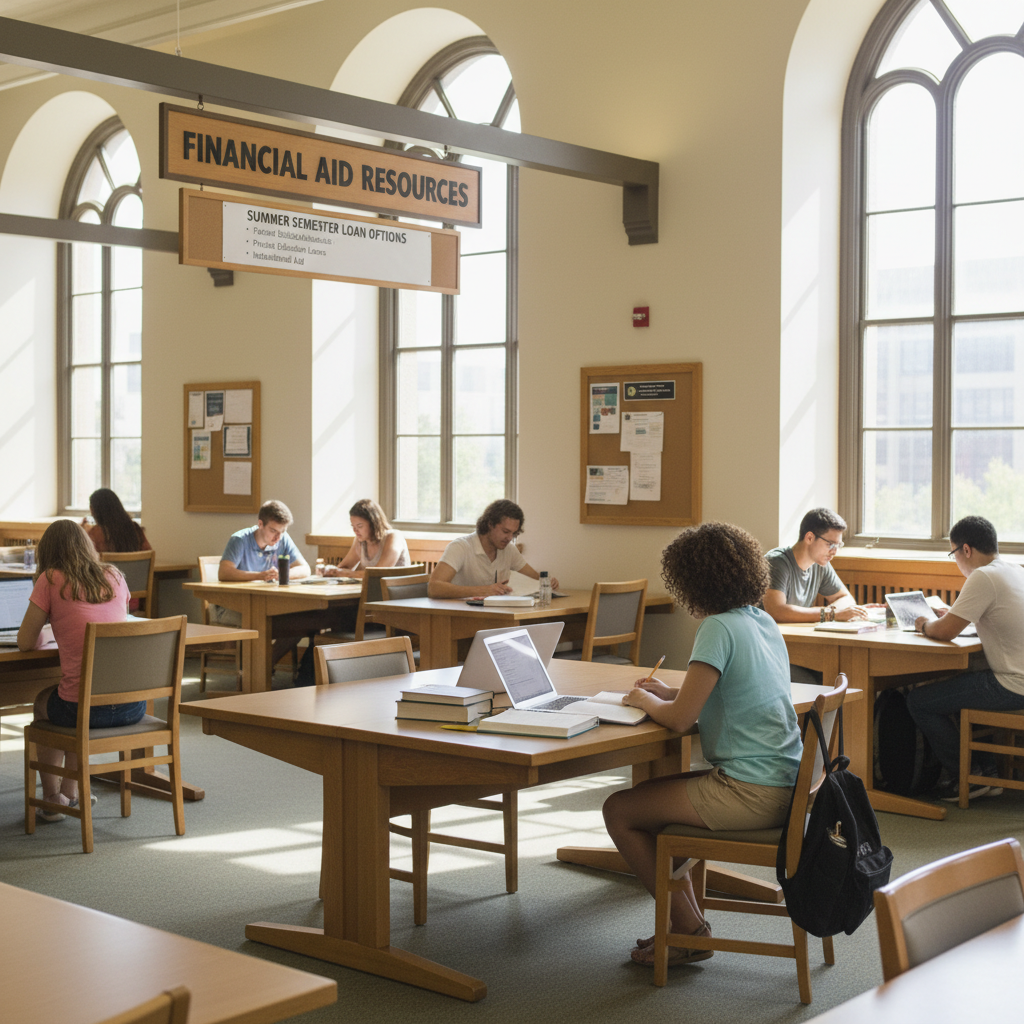
When considering student loans for the summer semester, it’s essential to understand the different types of loans that may be available to you.
– Federal Direct Loans: These loans are subsidized or unsubsidized, depending on your financial need. If you are enrolled at least half-time during the summer semester, you can utilize these loans to cover your educational expenses. Subsidized loans do not accrue interest while you are in school, making them a financially prudent choice for students who qualify.
– Private Loans: Many private lenders offer loans specifically designed for educational purposes, including summer courses. These loans typically have different eligibility criteria, such as credit checks or co-signers. While private loans can cover a broader range of expenses, it is crucial to compare interest rates and repayment terms carefully, as they can vary significantly from federal loans.
Exploring both federal and private loan options allows students to choose the best fit for their financial situation and academic goals for the summer term.
Eligibility Requirements for Summer Loans
Understanding the eligibility requirements for summer loans is crucial for securing funding.
– Enrollment Status: To qualify for federal student loans during the summer, students generally need to be enrolled at least half-time. This usually means taking a minimum of six credit hours, but you should check with your institution for specific requirements. Enrollment status not only affects your eligibility for federal aid but also influences the amount you may receive.
– FAFSA Submission: Completing the Free Application for Federal Student Aid (FAFSA) is a critical step in determining your eligibility for federal financial aid. This form should be submitted before the school’s deadline for summer financial aid, as it collects vital financial information used to assess your need. If you have already filled out the FAFSA for the academic year, you may need to update it to include your summer enrollment.
Meeting these eligibility requirements is essential for accessing the funds you need for your summer semester studies.
How to Apply for Summer Student Loans
Navigating the application process for summer student loans can seem daunting, but following a few straightforward steps can make it easier.
– Check with Your School: Before you apply for student loans, it’s crucial to check with your school’s financial aid office regarding their specific policies for summer aid. Different institutions may have varying procedures, deadlines, and types of aid available. They can provide guidance tailored to your situation and ensure you don’t miss any important deadlines.
– Submit Necessary Documentation: Ensure that you provide all required documents for your loan application, including your FAFSA and proof of enrollment verification. Some schools may also require additional documentation such as tax returns or income statements. Being thorough and organized can expedite the approval process and help you receive funds in a timely manner.
Following these steps will streamline your application process and increase the likelihood of obtaining the necessary funds for your summer semester.
Tips for Maximizing Summer Loan Benefits
To make the most of your summer student loans, consider the following strategies:
– Consider Course Load: Taking more credits during the summer can increase your loan eligibility, allowing you to receive more financial aid. Additionally, enrolling in summer courses can accelerate your academic progress, enabling you to graduate sooner, which can ultimately save you money on tuition and living expenses.
– Budget Wisely: Once you secure your loan funds, it’s essential to create a budget that effectively allocates your money. Consider your tuition costs and any additional fees, and don’t forget to factor in living expenses such as housing, food, and transportation. By planning how to allocate your loan funds, you can avoid financial stress and ensure you can focus on your studies.
Implementing these tips can help you maximize the benefits of your summer loans and enhance your overall educational experience.
Common Misconceptions About Summer Student Loans
Several misconceptions can deter students from applying for summer student loans. Addressing these misunderstandings can encourage more students to seek financial assistance.
– Only Available for Full-Time Students: A prevalent myth is that summer loans are only available for full-time students. In reality, many students who are enrolled at least half-time can qualify for financial aid during the summer semester. This opens opportunities for students who may not be able to commit to a full-time schedule but still wish to continue their education.
– Must Be a Continuing Student: Another misconception is that only continuing students can apply for summer loans. In fact, new students can also seek financial aid for summer courses, provided they meet the necessary criteria, such as having completed their FAFSA.
Clearing up these misconceptions can empower more students to explore their financial aid options for the summer semester.
Repayment Considerations for Summer Loans
While securing student loans for the summer can provide immediate financial relief, it is essential to consider the long-term implications of borrowing.
– Grace Periods: Many federal student loans come with a grace period, which is a period after graduation or dropping below half-time enrollment during which you are not required to make payments. Understanding the specifics of your loan’s grace period can help you plan your finances better after completing your studies.
– Interest Accumulation: Be aware that some loans may begin to accrue interest during the summer term, affecting the total amount you will repay. For instance, unsubsidized federal loans and most private loans will start accruing interest as soon as the funds are disbursed. Being informed about how interest works can help you make smarter borrowing decisions and minimize your overall debt.
Understanding these repayment considerations can ensure that you are prepared for the financial obligations that follow your educational investment.
Securing student loans for the summer semester is not only possible but can also be a strategic move to advance your education without undue financial strain. By understanding the types of loans available, eligibility requirements, and application tips, you can make informed decisions about funding your summer studies. Armed with this knowledge, you can pursue your academic goals confidently. If you’re ready to explore your options, visit your school’s financial aid office or check online resources today.
Frequently Asked Questions
Can I apply for student loans for summer semester courses?
Yes, you can apply for student loans for summer semester courses. Most federal and private student loan programs allow you to borrow funds for summer classes as long as you are enrolled at least half-time in an eligible program. Be sure to check with your school’s financial aid office for specific requirements and deadlines related to summer semester loans.
What types of student loans are available for summer semesters?
There are several types of student loans available for summer semesters, including federal Direct Subsidized and Unsubsidized Loans, PLUS Loans for graduate students, and private student loans. Federal loans typically have lower interest rates and more flexible repayment options, making them a popular choice among students. Researching both federal and private options will help you choose the best loan for your summer education needs.
How do I determine if I qualify for student loans for summer sessions?
To qualify for student loans for summer sessions, you must meet several criteria, including being enrolled at least half-time in an eligible program and maintaining satisfactory academic progress. Additionally, you should complete the Free Application for Federal Student Aid (FAFSA) to determine your eligibility for federal loans. Your school’s financial aid office can provide personalized guidance based on your situation.
Why should I consider taking summer classes with student loans?
Taking summer classes with student loans can accelerate your degree completion, allowing you to graduate sooner and potentially save on overall tuition costs. Additionally, summer classes can help you lighten your course load during the regular academic year, reducing stress and improving your academic performance. Using student loans for summer sessions can thus be a strategic investment in your education.
Which lenders offer the best student loans for summer semesters?
The best lenders for student loans for summer semesters typically include federal options like Direct Loans and private lenders such as SoFi, Sallie Mae, and Discover. Each lender has varying interest rates, repayment terms, and eligibility criteria, so it’s crucial to compare offers based on your financial needs. Reading borrower reviews and checking for any additional benefits, such as flexible repayment plans or interest rate reductions, can also guide your decision.
References
- Federal Student Aid
- https://www.nasfaa.org/Student_Loans
- https://www.ed.gov/news/press-releases/education-department-announces-new-rules-student-loans
- When can a debt collector report my debt to a credit reporting company? | Consumer Financial Prot…
- https://www.collegedata.com/resources/financial-aid/student-loans
- https://www.nerdwallet.com/article/loans/student-loans-for-summer-classes
- https://www.thebalance.com/summer-school-student-loans-4171849