

Using land as collateral for a construction loan is indeed possible, but it relies on several factors, including the lender’s policies, the value and type of land, and your overall financial condition. This method can provide a pathway to funding your construction project, allowing you to leverage existing assets. In this article, we will delve into the requirements, benefits, and key considerations when using land as collateral for your construction endeavors.
Understanding Construction Loans
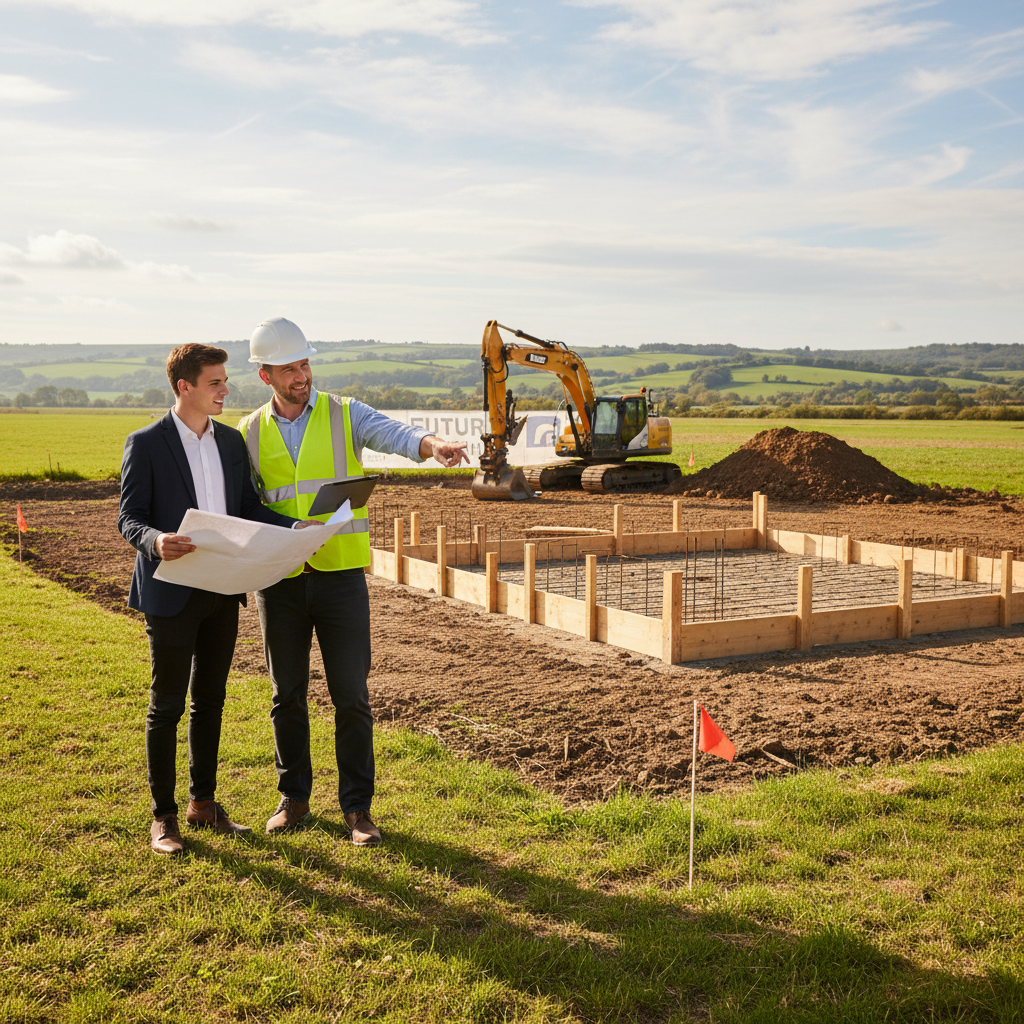
Construction loans are short-term, high-interest loans specifically designed to cover the costs associated with building a new home or major renovations on an existing structure. These loans typically finance the construction period, which usually lasts between six months to one year, and are structured to convert into a traditional mortgage once the construction is complete.
Unlike traditional mortgages, which are based on the purchase of an existing property, construction loans are riskier for lenders. They require careful evaluation since the property does not yet exist, and the loan is based on the projected value upon completion. Additionally, construction loans often come with variable interest rates and require borrowers to submit detailed plans, budgets, and timelines for the project to ensure that the funds will be used appropriately.
Using Land as Collateral
Using land as collateral for a construction loan is a strategic approach that can enhance your chances of securing financing. When land is offered as collateral, it provides the lender with a tangible asset that can be seized if the borrower fails to meet their repayment obligations. The process typically involves assessing the land’s value, which will be a critical factor in determining the loan amount you can secure.
There are two primary types of land that may qualify as collateral: raw land and developed land. Raw land is vacant and lacks utilities or infrastructure, while developed land has been improved with essential services like water, sewer, and access roads. Generally, lenders prefer developed land as collateral because it presents a lower risk, but raw land may still be accepted if it has a clear potential for development and a favorable appraisal.
Lender Requirements
When evaluating your proposal to use land as collateral, lenders will assess several key criteria. One of the most critical elements is the land appraisal, which determines the fair market value of the property. A thorough appraisal considers location, size, zoning regulations, and comparable sales in the area. The higher the appraisal value, the more favorable your loan terms may be.
Lenders will also review your credit history, income stability, and overall financial profile. They want to ensure that you have the capacity to repay the loan while also managing the construction project effectively. Additionally, some lenders may require a detailed construction plan, including timelines and budgets, to ascertain the feasibility and profitability of the project. Understanding these requirements can help you prepare a stronger application and improve your chances of approval.
Benefits of Using Land as Collateral
Utilizing land as collateral for a construction loan can offer several advantages. One significant benefit is the potential for lower interest rates compared to unsecured loans. Since the lender has a secured asset, they are typically willing to offer more favorable terms, reducing your overall borrowing costs.
Another advantage is the ability to leverage an existing asset for financing. If you own land that has appreciated in value, using it as collateral can provide access to substantial funding without needing to liquidate your asset. This approach can be particularly beneficial for individuals looking to undertake large-scale construction projects while maintaining their investment in real estate.
Risks and Considerations
While there are notable benefits to using land as collateral, it is essential to consider the associated risks. The most significant risk is the potential loss of the land if you fail to meet the loan terms. If you default on the loan, the lender has the right to seize the property to recover their losses, which can be devastating for the borrower.
It is also crucial to thoroughly understand the loan agreements and terms associated with the construction loan. Hidden clauses or unfavorable terms can lead to complications down the line, particularly if construction delays or cost overruns occur. Engaging with a financial advisor or legal expert can provide clarity and help ensure that you are fully aware of your obligations before proceeding with a loan application.
Alternative Financing Options
If using land as collateral is not viable for your situation, there are alternative financing options available. Personal loans can provide quick access to funds without requiring collateral, although they often come with higher interest rates. This option may be suitable for smaller projects where the financial risk is manageable.
Another alternative is equity financing, where you can tap into the equity of your existing home or other properties to fund your construction project. This method allows you to secure financing based on the value of your property without sacrificing additional assets. However, equity financing can also lead to increased financial risk if property values decline.
Crowdfunding and investor partnerships are emerging as popular methods for financing construction projects as well. These options can provide access to capital without the stringent requirements associated with traditional loans, though they may involve sharing profits or equity with investors.
In summary, using land as collateral for a construction loan can be a viable option to secure funding for your project, provided you meet the lender’s requirements and understand the associated risks. If you’re considering this route, consult with a financial advisor to explore your options further and ensure you choose the best path for your construction needs.
Frequently Asked Questions
Can I use my land as collateral for a construction loan?
Yes, you can typically use your land as collateral for a construction loan. Lenders often accept equity in the land, which can help secure financing for building a new home or other structures. It’s essential to ensure that the land is free of liens and has clear titles to facilitate the lending process.
What are the benefits of using land as collateral for a construction loan?
Using land as collateral for a construction loan can significantly enhance your chances of securing financing. It reduces the lender’s risk since they have an asset to claim if you default. Additionally, using your land can potentially lower your interest rates and allow for more favorable loan terms, making it a cost-effective option for funding your construction project.
How does the lender evaluate the land when considering it for collateral?
Lenders evaluate the land’s value through an appraisal process that assesses its market value, location, and potential for development. Factors such as zoning regulations, accessibility, and the overall real estate market also play a crucial role in determining how much of its value can be used as collateral. Understanding the appraisal process can help you prepare your land to maximize its potential as loan collateral.
What happens if the construction loan defaults while using land as collateral?
If you default on a construction loan that uses your land as collateral, the lender has the right to foreclose on the property. This means they can take ownership of the land and any structures built on it to recover their losses. To avoid this situation, it’s essential to communicate with your lender if you’re facing financial difficulties and explore options such as loan restructuring or forbearance.
Which types of construction loans allow for land as collateral?
Various types of construction loans can accept land as collateral, including traditional construction loans, owner-builder loans, and construction-to-permanent loans. Each type has its own requirements and terms, so it’s important to shop around and consult with lenders to find the best option that suits your financial situation and construction needs. Understanding these differences can help you make an informed decision.
References
- Understanding Construction Loans: Definition, Process, and Key Examples
- https://www.fha.com/loan_types/construction_loan
- What Is a Construction Loan and How Does it Work? – NerdWallet
- https://www.hud.gov/program_offices/housing/sfh/ins/sfh_ins
- https://www.bankrate.com/mortgages/construction-loans/
- https://www.thebalance.com/what-is-a-construction-loan-4171994
- Bankruptcy Basics
- https://www.americanbar.org/groups/business_law/publications/blt/2019/11/real_estate/
- https://www.fanniemae.com/content/fact_sheet/construction-loans.pdf
- https://www.consumerfinance.gov/ask-cfpb/what-is-a-construction-loan-en-1940/