

You can keep a credit card during Chapter 13 bankruptcy, but it typically depends on the specific terms of your repayment plan and the balance on the card. In most cases, you may be required to close the account or may not be able to incur new debt. This article will explore the implications of maintaining a credit card while in Chapter 13 bankruptcy, including how it affects your repayment plan and credit score.
Understanding Chapter 13 Bankruptcy

Chapter 13 bankruptcy is designed for individuals with a regular income who wish to reorganize their debts rather than liquidate their assets. Under this framework, debtors create a repayment plan that outlines how they will pay back their creditors over a period of three to five years. The duration of the repayment plan typically hinges on the individual’s income level and the total amount of debt owed. This type of bankruptcy allows individuals to keep their property, such as homes and vehicles, while making manageable payments to creditors. It is an ideal solution for those who are struggling to catch up on their payments but have the means to do so over time.
Credit Card Rules During Chapter 13
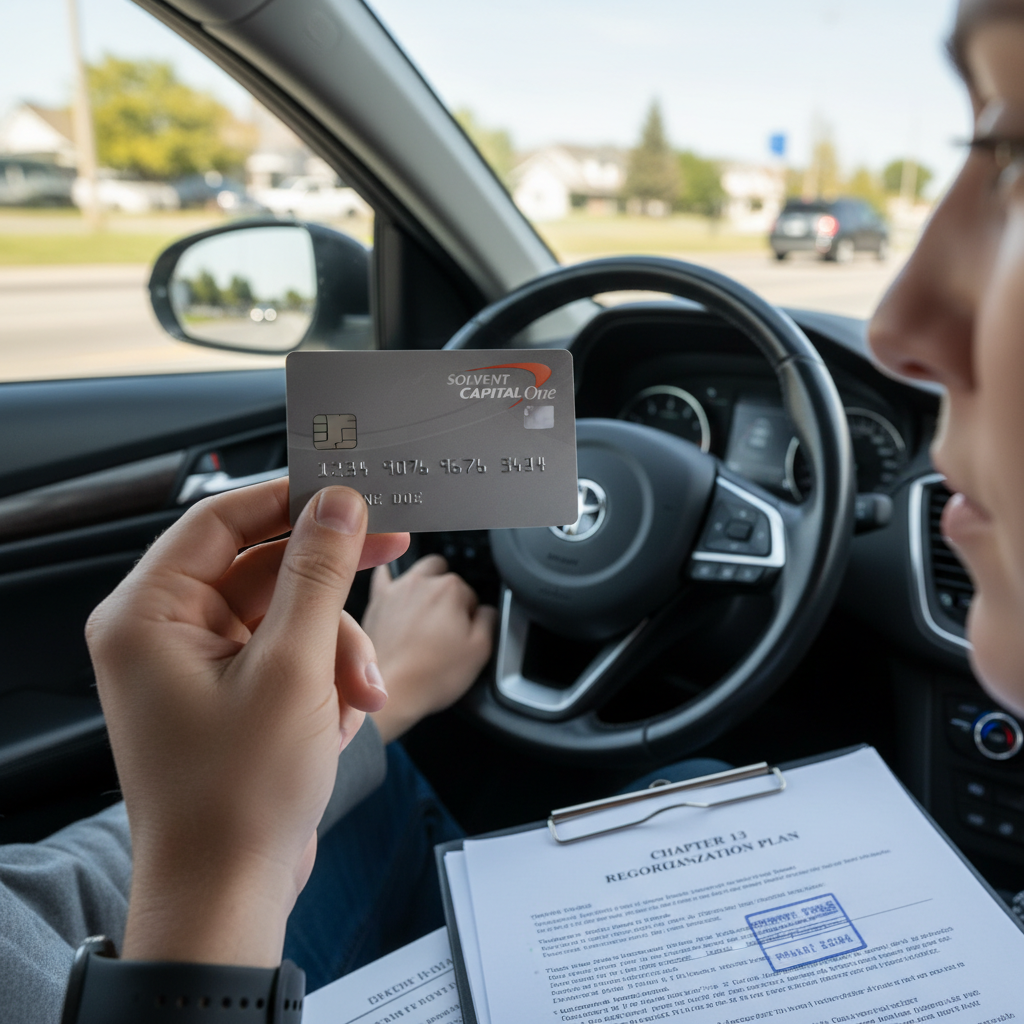
Holding onto a credit card during Chapter 13 bankruptcy is possible, but certain rules apply. If the credit card is categorized as a non-priority debt—meaning it is not secured by collateral or a significant legal obligation—you may be allowed to keep it. However, incurring new credit card debt post-filing is generally viewed as a violation of the bankruptcy process. When you file for Chapter 13, you are legally bound to follow the approved repayment plan, which does not include accumulating additional unsecured debt. Therefore, while keeping a credit card is feasible, using it responsibly and within the confines of your repayment plan is crucial.
For instance, if you have a credit card with a zero balance when you file for bankruptcy, you might be permitted to retain it, provided you do not use it to create new debt. Keeping the card open can help you maintain a credit history, but it is essential to be cautious not to exceed the limits set by the bankruptcy court.
Impact on Your Repayment Plan
Maintaining a credit card during Chapter 13 can have significant implications for your repayment plan. Your disposable income, which is calculated based on your income minus necessary living expenses, will need to account for any potential credit card payments. If you continue to use the card and accumulate debt, this could lead to a higher payment obligation under your repayment plan.
Additionally, creditors have the right to object to your repayment plan if they believe you are misusing available credit. For example, if you were to charge a large purchase on your credit card after filing, creditors could argue that you are not acting in good faith, which could lead to complications in your bankruptcy case. Therefore, it is crucial to maintain transparency and adhere to the limits of your repayment plan to avoid legal challenges and ensure a smooth bankruptcy process.
Maintaining a Credit Card Responsibly
If you are allowed to keep a credit card during Chapter 13 bankruptcy, using it wisely is essential for rebuilding your credit. Responsible use includes making timely payments and keeping your balances low. These practices not only help in maintaining a positive credit score but also demonstrate to creditors that you are managing your finances effectively.
One strategy to consider is using the credit card for regular, manageable expenses—like groceries or gas—that you can pay off in full each month. This approach prevents interest from accumulating and shows that you can handle credit responsibly. As your credit score improves, it may open up more favorable lending options in the future, aiding your long-term financial recovery. However, always ensure that any card usage aligns with your court-approved repayment plan to avoid complications.
Alternatives to Keeping a Credit Card
If you find that keeping a credit card is not feasible or advisable during Chapter 13 bankruptcy, there are alternative options available. One common alternative is a secured credit card, which requires a cash deposit that serves as your credit limit. Using a secured credit card allows you to rebuild your credit score while minimizing the risk of accumulating debt, as your spending is restricted to the amount you have deposited.
Another option is a prepaid debit card, which functions like a traditional credit card but draws directly from your deposited funds. This method can help you manage your expenses without the risk of incurring debt. Both secured credit cards and prepaid debit cards allow you to develop responsible spending habits and contribute positively to your credit profile without jeopardizing your bankruptcy status.
Consultation with a Bankruptcy Attorney
Navigating the complexities of Chapter 13 bankruptcy can be challenging, and it is crucial to consult a bankruptcy attorney to understand your specific situation and options. An experienced attorney can provide insights into whether you can keep a credit card, how it may affect your repayment plan, and the best practices for managing your finances during this period.
A legal expert can also help you craft a strategy for maintaining your credit score while adhering to your bankruptcy obligations. They will ensure that you are fully aware of the regulations governing your bankruptcy and provide guidance on best practices for engaging with creditors. This support is invaluable as you work toward financial recovery.
Maintaining a credit card during Chapter 13 bankruptcy can be possible but requires careful consideration of your financial situation and the terms of your repayment plan. Understanding the implications and consulting with a legal expert will help you make informed decisions that support your financial recovery. By navigating this process responsibly, you can emerge from bankruptcy with better credit management practices and a stronger financial foundation.
Frequently Asked Questions
Can you keep a credit card while in Chapter 13 bankruptcy?
Yes, you can keep a credit card while in Chapter 13 bankruptcy, but it typically requires special considerations. During Chapter 13, you must propose a repayment plan to pay back part of your debts over a three to five-year period. While you may retain some credit cards for emergencies, new charges may not be allowed, and you should consult with your bankruptcy attorney to ensure compliance with your repayment plan.
What happens to my credit cards if I file for Chapter 13 bankruptcy?
When you file for Chapter 13 bankruptcy, your existing credit cards are usually frozen, meaning you can’t make new purchases on them. However, the accounts themselves are not closed automatically; they may remain open as long as you adhere to the terms of your repayment plan. It’s vital to inform your creditors about your bankruptcy status to avoid any violations that could jeopardize your case.
How can I manage my credit card payments during Chapter 13 bankruptcy?
Managing credit card payments during Chapter 13 bankruptcy involves prioritizing your repayment obligations according to the terms of your bankruptcy plan. You should focus on making minimum payments if your plan allows for it, while also ensuring that you comply with the court’s mandate. Communication with your bankruptcy attorney is crucial to navigate your financial responsibilities effectively and avoid any potential pitfalls.
Why is it important to avoid new credit card debt during Chapter 13 bankruptcy?
It is important to avoid new credit card debt during Chapter 13 bankruptcy because any additional debt can complicate your repayment plan and may result in non-compliance with the bankruptcy court’s orders. Accumulating new debt can also hinder your ability to successfully complete your bankruptcy plan and could lead to dismissal of your case. Staying focused on repaying your existing debts will help you achieve a fresh financial start post-bankruptcy.
Which credit cards are best to keep during Chapter 13 bankruptcy?
The best credit cards to keep during Chapter 13 bankruptcy are those that have low interest rates or are essential for daily expenses, such as gas or groceries. It’s advisable to retain cards that have a positive payment history and are not heavily maxed out. However, always consult with your bankruptcy attorney before making decisions about which cards to keep, as they can provide tailored advice based on your specific situation and bankruptcy plan.
References
- https://www.nolo.com/legal-encyclopedia/chapter-13-bankruptcy-how-it-works-29799.html
- Bankruptcy Basics
- https://www.consumerfinance.gov/ask-cfpb/what-is-chapter-13-bankruptcy-en-1444/
- https://www.legalzoom.com/articles/what-happens-to-credit-cards-in-chapter-13-bankruptcy
- https://www.hud.gov/program_offices/housing/sfh/buying/credit_issues
- https://www.bankrate.com/banking/credit-cards/chapter-13-bankruptcy-and-credit-cards/
- https://www.expertlaw.com/library/bankruptcy/chapter_13.html
- https://www.lawhelp.org/article/what-happens-to-my-credit-cards-in-chapter-13-bankruptcy