

Understanding Credit Card Debt
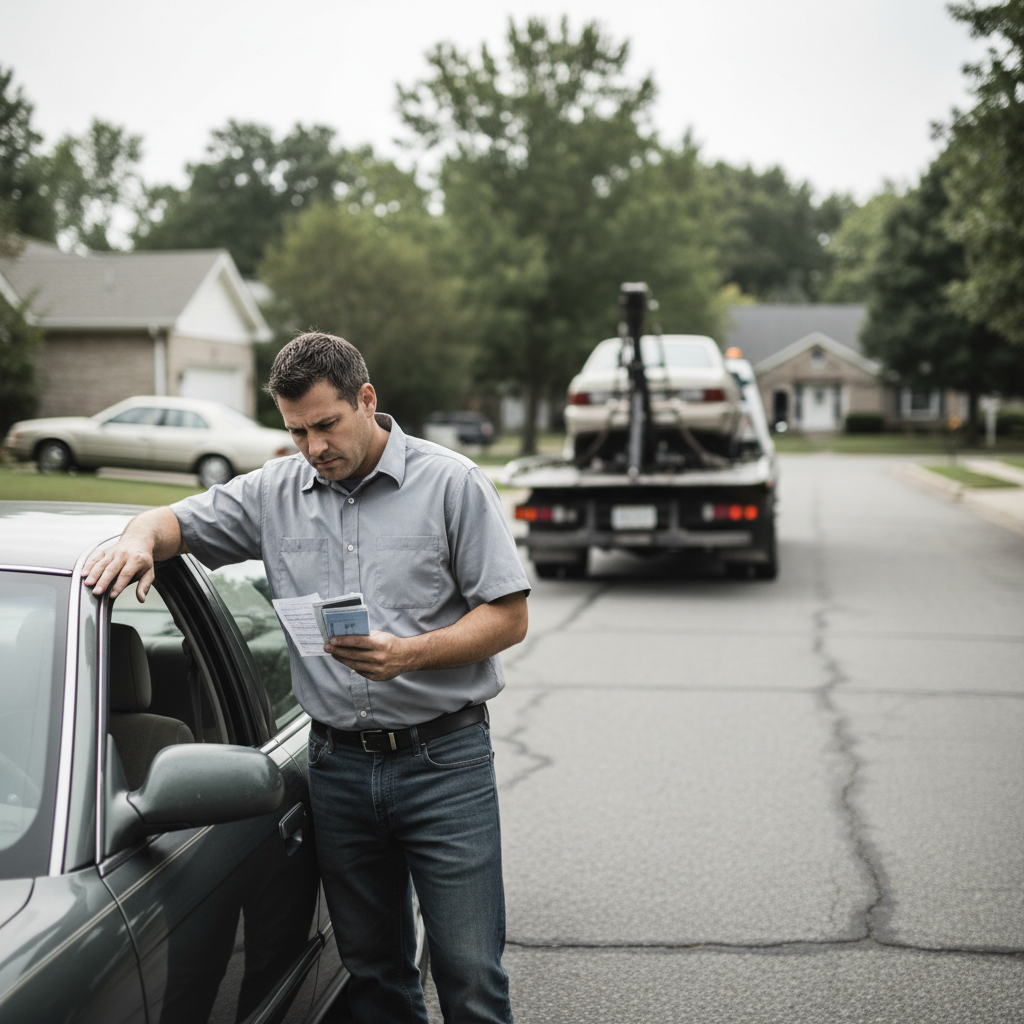
This distinction is crucial because it means that while credit card companies can pursue various avenues to collect debts, they cannot directly take your car or any other personal property without a court judgment. However, the implications of accruing credit card debt can be far-reaching, potentially affecting your financial health and your ability to maintain ownership of your vehicle.
The Repossession Process
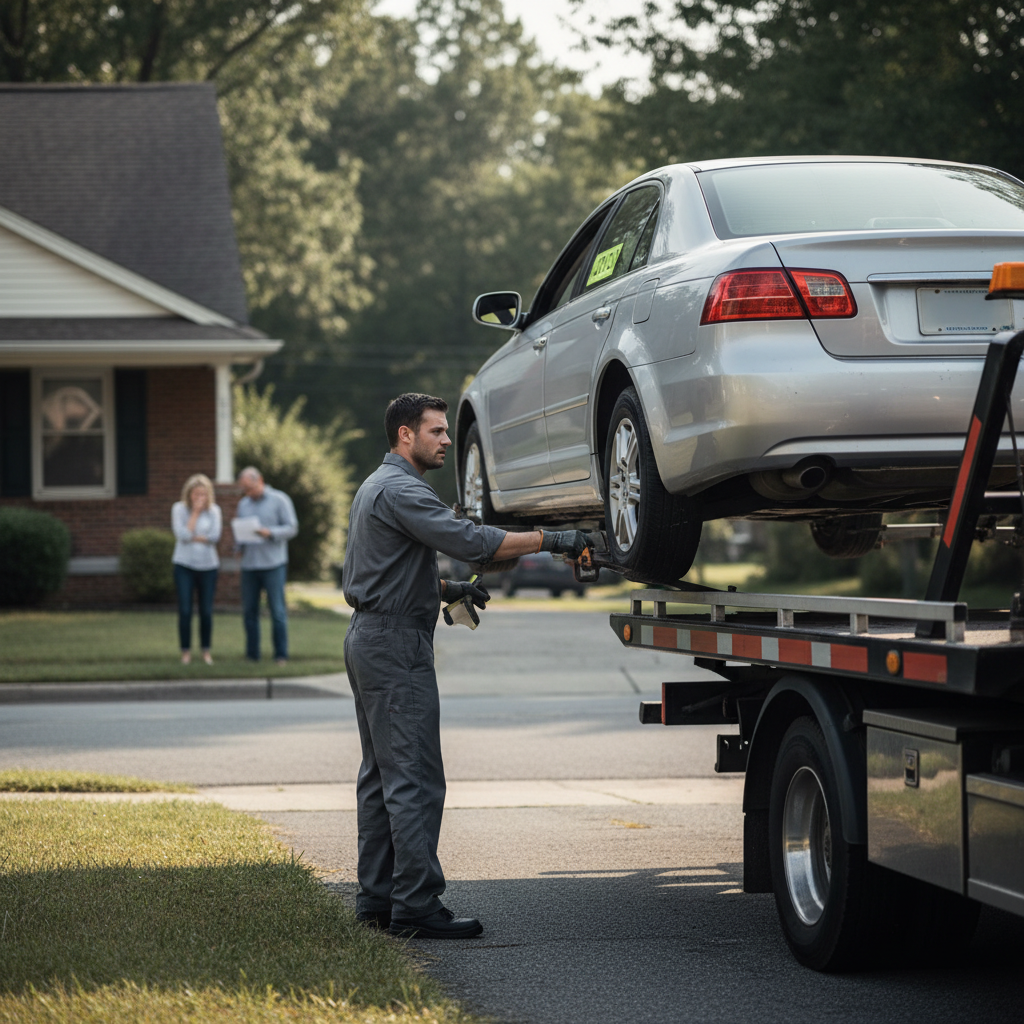
Repossession is a legal process that typically involves secured loans, where the lender has a specific claim to the asset in question. For example, if you default on your auto loan, the lender can send a repossession agent to take your vehicle. The process is governed by state laws, which outline the rights of lenders and borrowers when it comes to repossession.
Consequences of Non-Payment
While your car cannot be taken directly by a credit card company, the consequences of failing to pay your credit card bills can be severe. One of the most immediate repercussions is damage to your credit score. Late payments and defaults can significantly lower your credit rating, making future borrowing more expensive or even unattainable. Low credit scores often lead to higher interest rates on loans, including auto loans, which can further strain your financial situation.
Legal Actions That Can Happen
If you fail to make your credit card payments, the credit card company may take several legal actions to recover the debt. Initially, they might attempt to contact you through various means, including phone calls, letters, and collection agencies. If these efforts are unsuccessful, the creditor may choose to file a lawsuit against you for the unpaid balance.
Should the court rule in favor of the credit card company, they may obtain a judgment which could lead to wage garnishment or bank account levies. However, it’s essential to understand that they cannot place a lien directly on your vehicle. While creditors can place liens on real estate, such as your home, the legal recourse for unsecured debts like credit cards typically involves garnishing wages or seizing funds from bank accounts rather than taking physical assets like cars.
Protecting Your Assets
To prevent issues related to credit card debt from impacting your ability to keep your car, it is vital to adopt sound financial management strategies. Creating a budget that tracks your income and expenses can help you prioritize debt repayment and avoid late fees. Consider setting up automatic payments for your credit cards to ensure bills are paid on time.
Additionally, engaging in debt management strategies can help. This might include consolidating debts to secure a lower interest rate or negotiating with creditors for more favorable repayment terms. Understanding your rights as a debtor can also empower you to handle credit-related issues responsibly, enabling you to maintain control over your financial situation without jeopardizing your vehicle or other assets.
Seeking Professional Help
If you find yourself struggling with credit card payments, seeking professional help can be an invaluable step toward financial recovery. Consulting with a financial advisor can provide personalized guidance tailored to your specific circumstances, helping you to develop an effective plan to manage and pay off your credit card debt.
Debt counseling services can also be beneficial. These organizations offer resources and strategies to help you navigate debt repayment, often providing access to financial education and support that can help you regain control over your finances. By proactively addressing your credit card debt, you can take steps to protect your assets and ensure that your car remains yours.
In summary, while a credit card company cannot take your car directly, failing to manage credit card debt can have indirect consequences that may impact your financial stability and ability to retain your vehicle. Understanding the distinctions between secured and unsecured debts, the legal ramifications of non-payment, and strategies for protecting your assets is essential. If you’re facing challenges with credit card payments, consider reaching out to a financial professional for assistance. Taking proactive steps now can help you safeguard your assets and maintain your overall financial health.
Frequently Asked Questions
Can a credit card company repossess my car if I default on payments?
No, credit card companies cannot directly repossess your car as they do not hold a lien on it unless it was used as collateral for a specific loan. However, if you default on a credit card, they may pursue legal action to collect the debt, which could potentially lead to wage garnishment or bank account levies. It’s essential to address credit card debt proactively to avoid negative consequences that could indirectly affect your assets.
What happens to my car if I used it as collateral for a credit card loan?
If you used your car as collateral for a loan associated with your credit card, the lender has the right to repossess it if you fail to make payments. This is typically outlined in the loan agreement and is a legal process that requires the lender to follow specific state laws regarding repossession. Always review your loan terms to understand the implications of using your car as collateral.
How can I prevent my car from being taken by a creditor?
To prevent your car from being taken by a creditor, it’s crucial to stay on top of your debt payments and avoid defaulting on loans. Consider setting up automatic payments, creating a budget, or speaking with a financial advisor about managing your debts. Additionally, if you are facing financial difficulties, you can negotiate with creditors for lower payments or set up a payment plan to avoid repossession.
Why might a credit card company sue me for unpaid debts, and what could that mean for my car?
A credit card company might sue you for unpaid debts if you have consistently missed payments and the account has been charged off. If they win the lawsuit, they could obtain a judgment against you, which may lead to wage garnishment or bank account levies, but they cannot directly take your car unless it was collateral for the debt. Understanding your rights and seeking legal advice can help you navigate this situation.
Which types of debt could lead to my car being repossessed?
Typically, secured debts, such as auto loans and title loans, can lead to repossession of your car if you default on payments. Unlike credit card debt, these loans are backed by the car itself, giving creditors the legal right to take possession. It’s important to differentiate between secured and unsecured debts when evaluating your risk of losing assets like your vehicle.
References
- https://www.consumerfinance.gov/about-us/blog/credit-cards-and-debt-what-you-need-to-know/
- https://www.nolo.com/legal-encyclopedia/credit-card-debt-vehicle-repossession-29748.html
- https://www.usa.gov/credit-debt
- https://www.credit.org/blog/what-happens-if-i-dont-pay-my-credit-card-bill/
- https://www.bankrate.com/finance/debt/what-happens-when-you-dont-pay-your-credit-card-bill/