

Eyelid surgery, or blepharoplasty, may be covered by insurance if it is deemed medically necessary rather than purely cosmetic. Insurance companies often require clear evidence of medical necessity, such as impaired vision or other health issues related to the eyelids. This article will clarify the circumstances under which insurance might cover the procedure, what to expect, and how to navigate the insurance process for eyelid surgery.
Understanding Eyelid Surgery
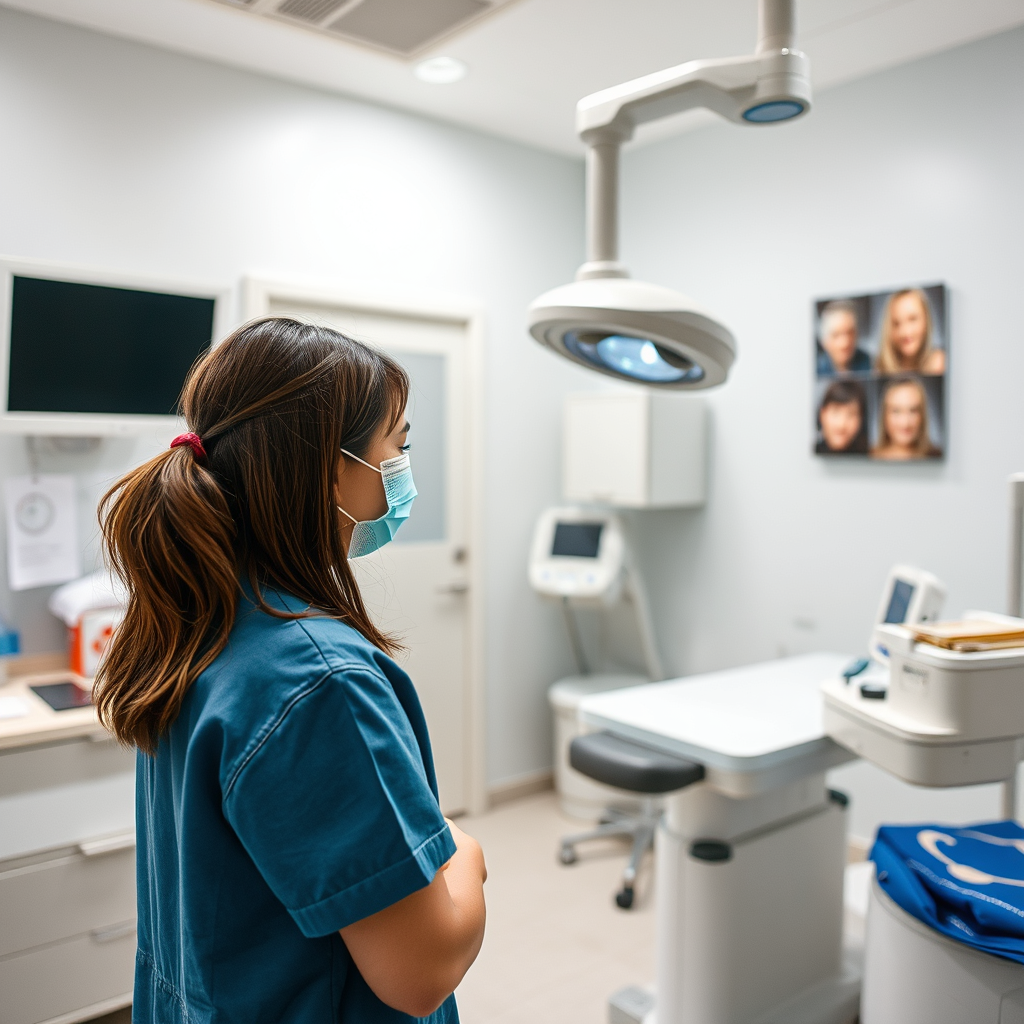
Eyelid surgery, clinically known as blepharoplasty, involves the removal of excess skin, muscle, and fat from the eyelids to improve both aesthetic appearance and functionality. This procedure can address concerns such as sagging eyelids, under-eye bags, and overall tiredness in the facial appearance. However, it is essential to distinguish between cosmetic and reconstructive eyelid surgery. Cosmetic eyelid surgery aims to enhance appearance and is primarily elective, while reconstructive eyelid surgery addresses functional impairments that could affect vision or cause discomfort, making it more likely to be covered by insurance.
When Insurance Covers Eyelid Surgery
Insurance coverage for eyelid surgery typically hinges on whether the procedure is medically necessary. Criteria for determining medical necessity include conditions that significantly impair vision or cause other health issues. For example, droopy eyelids, known as ptosis, can obstruct the visual field, leading to potential coverage by insurance providers. Other qualifying conditions may include eyelid tumors, severe eyelid laxity, or conditions that lead to chronic irritation of the eyes. Documented evidence from a qualified medical professional is often required to substantiate claims of medical necessity.
How to Determine Your Coverage
To ascertain whether your insurance covers eyelid surgery, the first step is to review your specific insurance policy. Look for sections related to surgical procedures, coverage limits, and exclusions. It is also critical to contact your insurance provider directly for specific details regarding your coverage. During this conversation, inquire about the necessary documentation and any pre-authorization requirements. Each insurance plan may have different criteria, so it is essential to clarify these aspects to avoid unexpected out-of-pocket expenses.
Preparing for Insurance Approval
Successfully obtaining insurance approval for eyelid surgery requires meticulous preparation. Gather all necessary documentation to support your claim, including comprehensive medical records, photographs illustrating the affected areas, and a letter from your physician detailing the medical necessity of the procedure. Your surgeon can play a pivotal role in this process by providing a detailed report that outlines your condition and the anticipated benefits of surgery. Additionally, they can assist in submitting the required paperwork to your insurance company, streamlining the approval process.
What to Expect During the Insurance Process
The timeline for receiving insurance approval for eyelid surgery can vary significantly, often taking anywhere from a few days to several weeks. It is not uncommon for insurance companies to request additional information, which may delay the process. In some cases, claims may be denied initially; if this happens, you have the right to appeal the decision. Effective communication with your insurance company is crucial during this phase. Keep detailed records of all interactions, including dates, names of representatives, and the nature of each conversation, to ensure a smooth appeal process if necessary.
Financial Considerations
Even with insurance coverage, patients should prepare for potential out-of-pocket costs associated with eyelid surgery. These costs can include deductibles, copayments, and any expenses not covered by insurance. It is advisable to discuss these financial aspects with your surgeon’s office before proceeding with the surgery. If insurance does not cover the procedure or if out-of-pocket costs are prohibitive, consider exploring financing options. Many healthcare providers offer payment plans or financing through third-party companies to help manage the costs of eyelid surgery.
Post-Surgery Follow-Up and Care
After undergoing eyelid surgery, follow-up appointments are essential to monitor recovery and address any complications that may arise. These appointments allow your surgeon to assess healing, remove sutures if necessary, and ensure that the surgery has achieved the desired results. It is also vital to verify that any complications or additional treatments needed are covered under your insurance plan. Follow the post-operative care instructions provided by your surgeon to facilitate a smooth recovery and minimize risks.
Understanding whether eyelid surgery is covered by insurance requires a clear distinction between cosmetic and medically necessary procedures, a thorough examination of your specific insurance policy, and careful preparation of supporting documentation. If you believe you may qualify for coverage, it is prudent to contact your insurance provider and consult with a qualified surgeon to explore your options effectively. By taking these steps, you can navigate the complexities of the insurance process and potentially alleviate the financial burden associated with eyelid surgery.
Frequently Asked Questions
Is eyelid surgery considered a cosmetic procedure, and is it covered by insurance?
Eyelid surgery, also known as blepharoplasty, can be classified as either cosmetic or medically necessary, depending on the circumstances. If the surgery is performed purely for aesthetic reasons, it is typically not covered by insurance. However, if the procedure is deemed medically necessary—such as when drooping eyelids obstruct vision—insurance may cover part or all of the costs. It’s crucial to consult with your healthcare provider to determine your eligibility for coverage based on your specific situation.
How can I find out if my insurance covers eyelid surgery?
To determine whether your insurance covers eyelid surgery, start by reviewing your policy documents for specific coverage details related to eyelid procedures. You can also contact your insurance provider directly and provide them with information about your condition and the recommended surgery. Additionally, consulting with your ophthalmologist or plastic surgeon can help, as they may assist in obtaining pre-authorization or submitting documentation to support the medical necessity of the procedure.
What documentation do I need to obtain insurance approval for eyelid surgery?
To obtain insurance approval for eyelid surgery, you will typically need to provide comprehensive documentation, including a letter from your doctor that outlines your medical history and the specific reasons for the surgery. Additionally, photographs that illustrate the condition of your eyelids and how they impair your vision may be required. Your surgeon may also need to submit a detailed treatment plan and any relevant test results to support your claim.
What are the common reasons insurance might approve eyelid surgery?
Insurance may approve eyelid surgery for several medical reasons, including significant drooping of the eyelids that obstructs peripheral vision, chronic eye irritation caused by excess skin, and complications arising from eyelid conditions such as ptosis. If you can demonstrate that the surgery is necessary to improve your quality of life or restore functionality, you stand a better chance of gaining insurance approval.
Which types of eyelid surgery are most likely to be covered by insurance?
The types of eyelid surgery most likely to be covered by insurance are those that are deemed medically necessary rather than purely cosmetic. This includes procedures like upper blepharoplasty, which addresses drooping eyelids that impair vision, and lower blepharoplasty, which may be indicated if bags under the eyes cause significant discomfort or functional issues. Always verify with your insurance provider to understand the specific criteria they use to assess coverage for these surgeries.
References
- https://www.aao.org/eye-health/tips-prevention/insurance-coverage-eyelid-surgery
- https://www.ncbi.nlm.nih.gov/pmc/articles/PMC4879159/
- Sorry! That Page Cannot Be Found
- Frontiers | Affective Consequences of Social Comparisons by Women With Breast Cancer: An Experiment
- https://www.healthcare.gov/coverage/out-of-pocket-costs/
- https://www.webmd.com/beauty/cosmetic-surgery-eyelid-surgery-coverage
- https://www.verywellhealth.com/eyelid-surgery-insurance-5190610