

To become a crop insurance agent, you need to gain the right education, obtain necessary licenses, and build a network within the agricultural community. This career offers the rewarding opportunity to assist farmers in protecting their livelihoods from unforeseen risks. As a crop insurance agent, you will play a crucial role in helping farmers navigate the complexities of crop insurance, allowing them to focus on what they do best—farming. This guide outlines the essential steps you’ll need to take to start your career in this rewarding field.
Understanding the Role of a Crop Insurance Agent
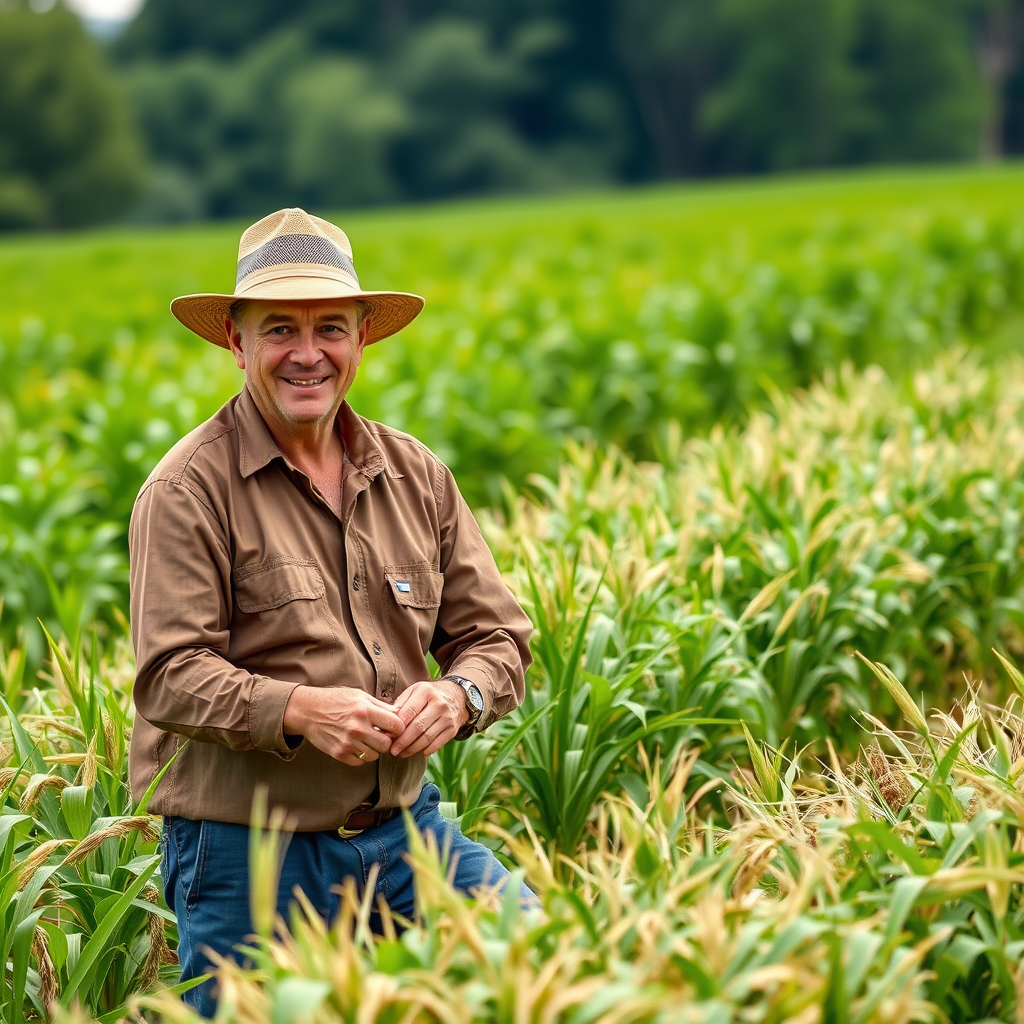
A crop insurance agent is primarily responsible for helping farmers and agricultural businesses select the appropriate insurance policies that safeguard their crops against various risks, including natural disasters, pests, and market fluctuations. This role encompasses assessing the specific needs of farmers, educating them on available insurance options, and guiding them through the claims process when necessary.
The importance of crop insurance cannot be overstated; it serves as a financial safety net for farmers, helping to mitigate the economic impacts of unforeseen events. For instance, a farmer whose crops are devastated by a sudden hailstorm can rely on crop insurance to recover some of the losses incurred, thereby ensuring the sustainability of their farming operations. The agent’s expertise in understanding these policies and their implications is vital in aiding farmers to make informed decisions, ultimately contributing to the resilience of the agricultural sector.
Educational Requirements
To embark on a career as a crop insurance agent, a minimum educational requirement is a high school diploma or its equivalent. However, pursuing higher education can significantly enhance your prospects in this competitive field. A degree in agriculture, finance, or business can provide a solid foundation in both the technical and financial aspects of crop insurance.
In addition to formal education, specialized training is highly recommended. Courses in agricultural risk management, insurance practices, and financial planning can equip you with the necessary skills to assess risks accurately and recommend suitable insurance solutions. Institutions and organizations, such as the American Society of Farm Managers and Rural Appraisers (ASFMRA), offer programs that can bolster your knowledge and credentials in this specialized field.
Licensing and Certification
Obtaining the proper licensing is a vital step in your journey to becoming a crop insurance agent. Each state has unique requirements for becoming a licensed insurance agent, which typically includes passing a state-administered exam. It is essential to review your state’s specific regulations and prepare accordingly.
While state licensing is a necessity, pursuing optional certifications can further enhance your credibility and career prospects. Designations such as the Chartered Property Casualty Underwriter (CPCU) or the Associate in Commercial Underwriting (ACU) demonstrate a commitment to professionalism and a deeper understanding of insurance principles. These certifications not only bolster your resume but also instill confidence in your clients about your expertise and dedication to the field.
Gaining Experience
Gaining practical experience is crucial for aspiring crop insurance agents. Internships with insurance companies, agricultural firms, or cooperative extensions can provide you with hands-on exposure to the workings of crop insurance. These opportunities allow you to observe the day-to-day activities of seasoned agents, learn about the intricacies of different insurance products, and develop valuable skills in client management.
Networking is another essential component of building a successful career in this field. Attending industry conferences, seminars, and workshops can facilitate connections with established agents and agricultural professionals. Engaging with these individuals can provide mentorship opportunities and insights into best practices, helping you to navigate challenges as you establish your own practice.
Building a Client Base
Once you have gained the necessary education and experience, the next step is to build a robust client base. Developing effective marketing strategies is vital for reaching potential clients. Utilizing social media platforms, such as Facebook and LinkedIn, can help you engage with farmers and agricultural businesses directly. Additionally, local advertising in agricultural publications or sponsoring community events can increase your visibility within the farming community.
Building strong, trust-based relationships with your clients is equally important. Establishing rapport with farmers involves understanding their unique needs, being transparent about policy details, and providing ongoing support throughout the insurance process. Regular follow-ups and check-ins demonstrate your commitment to their success, fostering long-term relationships that can lead to referrals and repeat business.
Understanding Insurance Products
As a crop insurance agent, it is essential to familiarize yourself with the various types of crop insurance products available. Multi-Peril Crop Insurance (MPCI) offers broad coverage against multiple risks, including drought, flood, and disease, while Crop-Hail Insurance specifically protects against hail damage. Understanding the differences between these products allows you to tailor recommendations to meet the specific needs of each farmer.
Moreover, staying informed about changes in agricultural trends and legislation affecting crop insurance is crucial. The agricultural landscape is continually evolving, with new technologies and practices shaping the industry. Engaging in continuous education through workshops, webinars, and industry publications can help you remain knowledgeable and relevant, enabling you to provide the best possible advice to your clients.
Staying Compliant and Ethical
Navigating the regulatory landscape is a critical aspect of being a crop insurance agent. Familiarizing yourself with federal and state laws governing crop insurance is essential to ensure compliance and avoid legal pitfalls. Understanding the intricacies of the Federal Crop Insurance Program and any state-specific regulations can provide a framework for your practice and enhance your legitimacy in the eyes of clients.
Ethical practices are foundational to establishing a successful career in crop insurance. Transparency is key; clients should always be fully informed about their options and any associated risks. Maintaining integrity in all interactions not only builds trust but also enhances your reputation in the agricultural community. Upholding ethical standards reinforces your commitment to serving the best interests of your clients, ultimately contributing to the sustainability of your career.
As you embark on your journey to become a crop insurance agent, remember that continuous learning and building strong relationships within the agricultural community are key factors to your success. Take these steps seriously, and consider reaching out to existing agents for mentorship or advice as you navigate your new career path. By equipping yourself with the right knowledge, skills, and ethical standards, you can thrive in this rewarding and impactful profession.
Frequently Asked Questions
What qualifications do I need to become a crop insurance agent?
To become a crop insurance agent, you typically need a high school diploma, although many employers prefer candidates with a bachelor’s degree in agriculture, business, or a related field. Additionally, you must obtain a state insurance license, which often involves completing pre-licensing courses and passing a licensing exam. Familiarity with agricultural practices and insurance products can also enhance your qualifications and appeal to potential employers.
How do I obtain a crop insurance license?
To obtain a crop insurance license, first, research the licensing requirements in your state, as they can vary. You will need to complete the required pre-licensing education, which may include courses on agricultural insurance and risk management. After that, you must pass your state’s insurance licensing exam. Once you receive your license, you may also need to complete continuing education courses to maintain it.
Why is becoming a crop insurance agent a good career choice?
Becoming a crop insurance agent is a solid career choice due to the increasing need for agricultural risk management amidst climate change and fluctuating market conditions. This role not only offers competitive earning potential but also provides opportunities for personal fulfillment by helping farmers protect their livelihoods. Additionally, the agricultural sector is an essential part of the economy, ensuring job stability and growth potential within this field.
What skills are essential for a successful crop insurance agent?
Essential skills for a successful crop insurance agent include strong communication and interpersonal skills to effectively interact with clients and understand their needs. Analytical skills are also crucial for assessing risks and providing tailored insurance solutions. Additionally, a solid understanding of agricultural practices and insurance policies will enhance your ability to advise clients accurately and build trust in your expertise.
Which companies offer the best crop insurance training programs?
Several companies are recognized for offering comprehensive crop insurance training programs, including Nationwide Agribusiness, American Family Insurance, and The Hartford. These programs typically cover the fundamentals of crop insurance, provide insights into policy options, and may even include mentorship opportunities. Researching and comparing these programs can help you choose the one that best aligns with your career goals and learning preferences.
References
- Crop insurance
- Home | Risk Management Agency
- Oops! Sorry, we can’t find what you’re looking for | NAIC
- https://www.ams.usda.gov/rules-regulations/marketing-orders/crop-insurance
- https://www.extension.purdue.edu/extmedia/agecon/agecon-157.pdf
- https://nifa.usda.gov/program/crop-insurance-education-program
- Agricultural Retail and technology news – CropLife
- https://www.farmers.gov/manage/crop-insurance