

Florida does not legally require boat insurance for all boat owners, but it is highly recommended. While the state does not mandate coverage, the potential financial risks associated with boating accidents, theft, or damage to vessels make obtaining insurance a prudent decision for most boat owners. In this article, we will delve into the specifics of boat insurance in Florida, exploring its benefits, the types of coverage available, factors influencing costs, alternatives to insurance, and guidance on choosing the right policy.
Overview of Florida’s Boat Insurance Laws
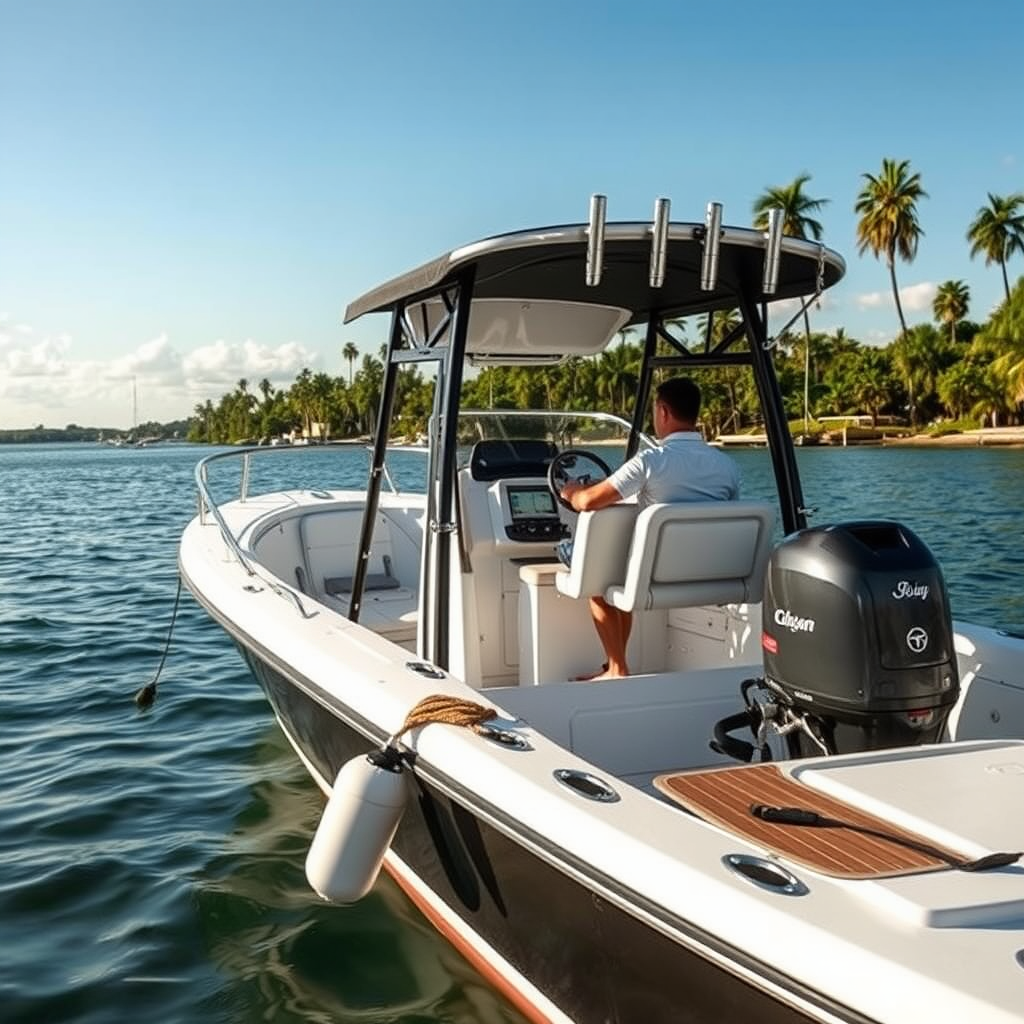
In Florida, boat insurance is not a legal requirement for personal watercraft owners. This lack of a mandate means that individuals can choose whether or not to insure their vessels. However, there are specific circumstances under which insurance may be necessary. For instance, if you finance your boat through a lender, the bank will likely require you to carry insurance to protect its investment. Additionally, certain marinas may have their own insurance requirements for docking or storing boats. Therefore, while boat insurance is not universally required, it is essential to consider your unique situation and whether any external obligations necessitate coverage.
Benefits of Having Boat Insurance
Having boat insurance offers numerous advantages that extend beyond mere compliance with laws. One of the primary benefits is protection against liability. If you are involved in an accident that causes injuries to others or damages their property, liability coverage can help shield you from significant financial repercussions. For example, if your boat collides with another vessel, resulting in injuries to occupants, your liability insurance would cover medical expenses and legal fees.
Furthermore, boat insurance provides coverage for theft, vandalism, and damage to your own vessel. Imagine returning to your dock only to find your boat missing or damaged by a storm. Comprehensive boat insurance can help you recover costs associated with repairs or replacements, ensuring that you can enjoy your time on the water without the burden of unforeseen financial strain.
Types of Boat Insurance Coverage
When considering boat insurance, it’s crucial to understand the various types of coverage available.
– Liability Coverage: This is the most common type of boat insurance and protects you against legal claims resulting from accidents. It typically covers bodily injury and property damage that you may cause to other people or their property while operating your boat. For example, if you accidentally hit another boat, liability coverage would handle the costs associated with injuries to the other party and any damage to their vessel.
– Comprehensive Coverage: This coverage goes beyond accidents and includes damages from non-collision incidents such as storms, fire, theft, or vandalism. For instance, if a hurricane damages your boat while docked, comprehensive coverage would help pay for repairs or replacement. This type of insurance is essential for Florida boat owners, given the state’s susceptibility to severe weather.
– Uninsured/Underinsured Boater Coverage: This coverage protects you if you are involved in an accident with a boater who lacks adequate insurance. Given that not all boaters carry insurance, this coverage can be vital in shielding you from potential financial losses.
Factors Influencing Boat Insurance Costs
Several factors can influence the cost of boat insurance in Florida. Understanding these elements can help you anticipate your premiums and make informed decisions.
– Type and Size of the Boat: Larger and more expensive boats generally require higher insurance premiums due to their increased value and potential repair costs. For instance, a luxury yacht will cost more to insure than a small fishing boat.
– Boating Experience and Safety Record of the Operator: Insurers assess the operator’s experience and history while operating a boat. A seasoned boater with a clean record may enjoy lower premiums compared to a novice boater with previous claims or accidents.
– Geographic Location: The area where you primarily operate your boat can also affect your insurance rates. Florida’s coastal regions may be more prone to storms and accidents, leading to higher premiums.
– Coverage Limits and Deductibles: The amount of coverage you choose and the deductibles you are willing to pay will also influence your premiums. Higher coverage limits and lower deductibles typically result in higher costs.
Alternatives to Boat Insurance
While traditional boat insurance is advisable, there are alternatives that some boat owners may consider.
– Self-Insurance: This approach involves setting aside personal savings to cover potential damages or losses. While this might work for some, it requires a substantial financial cushion and a solid understanding of the risks involved. It is worth noting that self-insuring can lead to significant out-of-pocket expenses in the event of a major incident.
– Specialized Insurance Policies: Certain activities or types of boating may require specialized insurance options. For example, if you engage in racing or high-risk water sports, you may look for policies tailored specifically for those activities. These specialized policies can provide coverage that standard boat insurance may not offer.
How to Choose the Right Boat Insurance Policy
Choosing the right boat insurance policy hinges on several factors that cater to your specific needs and boating lifestyle.
– Assess Your Boating Habits and Risks: Consider how often you boat, the conditions in which you operate, and the locations you frequent. If you often navigate busy waterways or engage in high-risk activities, you may need more comprehensive coverage.
– Compare Quotes from Multiple Insurance Providers: Shopping around is essential to finding the best coverage at a competitive price. Different insurers may offer various policies and discounts, so obtaining multiple quotes allows you to weigh your options effectively.
– Read Reviews and Ask for Recommendations: Don’t underestimate the value of customer feedback. Research online reviews and ask fellow boaters for their experiences with specific insurance providers to gauge their reliability and customer service.
While Florida does not require boat insurance, it is clear that having coverage can provide significant peace of mind and financial protection. The risks associated with boating—whether from accidents, theft, or natural disasters—underscore the importance of considering insurance. By evaluating your personal circumstances and risk factors, you can take the necessary steps to secure a policy that fits your needs. If you’re ready to explore options, reach out to local insurance providers today to ensure you’re prepared for whatever the waters may bring.
Frequently Asked Questions
Does Florida require boat insurance by law?
No, Florida does not legally mandate boat insurance for all boat owners. However, while it is not a state requirement, having boat insurance is highly recommended to protect against potential damages, liabilities, and theft. Many marinas, lenders, and boat clubs may require proof of insurance before allowing you to dock or store your boat.
What types of boat insurance are available in Florida?
In Florida, boat insurance typically falls into several categories, including liability coverage, collision coverage, comprehensive coverage, and uninsured/underinsured boater coverage. Liability coverage protects you against claims for bodily injury or property damage caused to others, while collision and comprehensive coverage help pay for damages to your own boat. Choosing the right combination of coverage will depend on your specific needs and how you intend to use your boat.
How can I find the best boat insurance in Florida?
To find the best boat insurance in Florida, start by comparing quotes from multiple insurance providers, as rates can vary significantly. Consider factors such as coverage options, customer reviews, and financial stability of the insurer. Additionally, it can be beneficial to consult with a local insurance agent who specializes in marine insurance to ensure you receive tailored recommendations based on your boating habits and specific needs.
Why is it important to have boat insurance in Florida?
Having boat insurance in Florida is crucial due to the state’s high number of boating activities and associated risks. Florida ranks among the top states for boating accidents, and insurance can provide financial protection against damages caused by collisions, weather events, or theft. Furthermore, boat insurance can cover legal fees and medical expenses resulting from accidents, giving you peace of mind while enjoying Florida’s waterways.
Which factors affect the cost of boat insurance in Florida?
The cost of boat insurance in Florida is influenced by various factors, including the type and size of the boat, its age, the boating experience of the owner, and the geographical area where the boat is used. Additional considerations such as the coverage types selected, the boat’s value, and claims history can also impact premiums. To ensure you get the best rate, it’s advisable to shop around and evaluate different policies based on your unique situation.
References
- https://www.floridastateparks.org/learn/boating-and-fishing
- Take your Florida Boating License & Safety Course | Boat-Ed
- MyFloridaLicense.com – License efficiently. Regulate fairly.
- https://www.nolo.com/legal-encyclopedia/boat-insurance-what-you-need-know-29754.html
- https://www.insurance.wa.gov/boat-insurance-coverage-options
- https://www.florida.gov/
- https://www.usatoday.com/story/money/2022/06/13/boat-insurance-coverage/7603521001/
- ConsumerReports.org – Page not found error – Consumer Reports