

The cost of a dental crown in California typically ranges from $500 to $3,000, influenced by factors such as the type of crown and individual insurance coverage. Understanding these variables is essential for effective budgeting and planning for dental procedures. In this article, we will explore the average costs associated with crowns, how insurance can impact these expenses, and other essential considerations when planning for dental work.
Understanding Dental Crowns
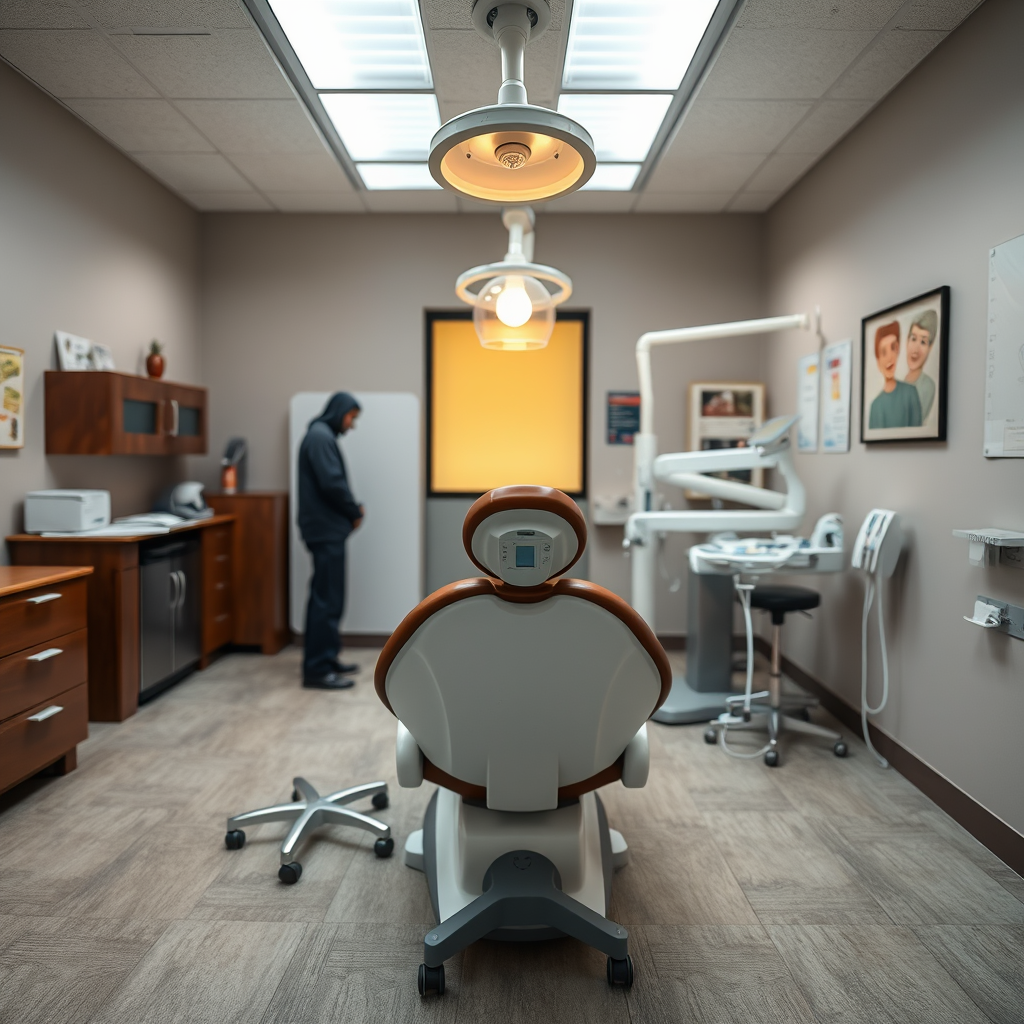
Dental crowns are a common restorative treatment used to repair and protect damaged teeth. They are designed to restore the shape, strength, and function of a tooth that may be weakened due to decay, trauma, or extensive wear. Crowns not only enhance the aesthetic appearance of your smile but also provide the necessary support for proper chewing and biting.
There are several materials available for dental crowns, each with distinct advantages and price points. Ceramic crowns, known for their natural appearance, are often used for front teeth and typically range from $800 to $3,000. Metal crowns, which are durable and ideal for molars, usually cost between $600 and $2,500. Porcelain-fused-to-metal crowns combine the benefits of both materials, offering strength with an attractive appearance, and can range from $700 to $2,800. The choice of material will not only affect the price but also the longevity and function of the crown.
Average Cost of Crowns in California
The price of dental crowns in California is considerably variable, generally falling between $500 and $3,000. This wide range can be attributed to multiple factors, including the specific dental practice, geographic location, and the complexity of the case.
For instance, urban areas like San Francisco and Los Angeles may have higher dental fees due to increased overhead costs, while rural practices might offer more competitive pricing. Moreover, the level of experience and reputation of the dentist can also influence the cost. For example, a highly rated dentist with specialized training may charge more compared to a general practitioner.
Additionally, the use of advanced technology, such as CAD/CAM (computer-aided design and computer-aided manufacturing) for creating crowns, can also raise costs. These crowns are often more precise and can be fabricated in a single visit, saving time for the patient.
How Insurance Affects Crown Costs
Dental insurance plays a critical role in determining out-of-pocket expenses for crowns. Most dental insurance plans typically cover a portion of the cost for crowns, often ranging from 50% to 80%. However, specific details can vary widely among different insurance providers.
It is crucial to review your individual dental plan to understand the specifics of your coverage. Some plans may have annual maximums that limit the total benefits paid out each year, which can affect how much you are required to pay for crowns. Additionally, some insurance policies may require a waiting period for major restorative work, including crowns, which could delay necessary treatment.
To maximize your insurance benefits, consider scheduling a consultation with your dentist’s office to discuss your coverage and any potential out-of-pocket costs prior to the procedure.
Factors Influencing Crown Costs
Several factors can influence the cost of dental crowns beyond just the type of crown and insurance coverage. One major consideration is the necessity for additional procedures that may be required before placing a crown. For example, if a tooth requires a root canal treatment or extraction prior to crown placement, those procedures will add to the overall cost.
The complexity of the case can also affect pricing. For instance, if the tooth in question has significant decay or structural damage, it may require more extensive preparation or a custom-fitted crown, which can increase costs. Furthermore, the location and type of dental practice matter; specialists such as prosthodontists may charge more than general dentists due to their advanced training and expertise.
Lastly, the choice of dental materials can lead to varying costs. While gold crowns may be the most durable, they are often the most expensive option. Conversely, resin crowns might be more affordable but may not provide the same level of durability or longevity.
Financing Options for Dental Crowns
Given the potential high costs associated with dental crowns, many dental offices offer financing options to help patients manage their expenses. Payment plans can allow patients to spread the cost of treatment over several months, making it more manageable.
Additionally, utilizing Health Savings Accounts (HSAs) or Flexible Spending Accounts (FSAs) can provide tax advantages, allowing you to pay for dental procedures with pre-tax dollars. These accounts can be particularly beneficial for those with high out-of-pocket costs.
Some dental practices also partner with third-party financing companies, offering low or no-interest payment plans for qualified patients. It is advisable to discuss these options with your dental office to determine the best financial solution for your situation.
Tips for Reducing Crown Costs
To help alleviate the financial burden of dental crowns, consider implementing the following strategies:
1. Shop Around: Prices for dental crowns can vary significantly between practices. Don’t hesitate to compare quotes from different dental providers. Many offices offer free consultations that can help you gauge the costs involved.
2. Ask About Discounts: Inquire if your dentist provides any discounts for cash payments or if they offer any promotional deals. Some dental offices might have seasonal offers or loyalty programs for existing patients.
3. Maintain Oral Hygiene: Preventive care is crucial. Regular check-ups and good oral hygiene can help avoid the need for crowns altogether, saving you money in the long run.
4. Review Your Insurance: Regularly review your dental insurance policy to ensure you are maximizing your benefits. Consider switching plans if your current one does not adequately cover necessary procedures.
5. Discuss Treatment Options: Talk with your dentist about all available treatment options. Sometimes, less expensive alternatives or staged treatment plans can provide a more budget-friendly approach.
In summary, the cost of dental crowns in California varies widely, influenced by factors such as insurance coverage and the type of crown. To ensure you get the best deal, consider your insurance options, explore financing plans, and don’t hesitate to consult multiple dental practices. Be proactive in managing your dental care costs to maintain a healthy smile.
Frequently Asked Questions
How much does a dental crown typically cost in California with insurance?
The cost of a dental crown in California can vary significantly, typically ranging from $800 to $3,000. If you have dental insurance, your plan may cover a portion of the costs, typically around 50% to 80% depending on your specific coverage. It’s essential to check with your insurance provider for details on coverage limits and out-of-pocket expenses to get a more accurate estimate.
What factors influence the cost of a crown in California with insurance?
Several factors can influence the cost of a dental crown in California, including the type of crown material used (porcelain, metal, or a combination), the complexity of the dental work required, and your dentist’s experience and location. Additionally, the specifics of your insurance plan, such as co-pays and deductibles, will also affect the final cost you will incur.
Why are crowns so expensive in California, even with insurance?
Crowns can be expensive due to the materials used, the labor involved in creating a custom fit, and the technology utilized in dental procedures. Even with insurance, patients may face higher costs because many insurance plans have annual limits on coverage, and dental crowns are often considered major restorative work. This can lead to significant out-of-pocket expenses, especially if additional procedures are needed.
How can I find the best dental insurance for crown coverage in California?
To find the best dental insurance for crown coverage in California, start by researching plans that explicitly cover major restorative work. Look for options that offer a high percentage of coverage for crowns, low deductibles, and a wide network of dentists. Reading customer reviews and comparing benefits across different plans can help you make an informed choice that suits your dental needs and budget.
Which types of crowns are most commonly covered by dental insurance in California?
Most dental insurance plans in California typically cover porcelain-fused-to-metal crowns, all-ceramic crowns, and metal crowns, although coverage can vary. Porcelain-fused-to-metal crowns are popular as they combine aesthetics with strength, making them suitable for visible and non-visible areas. It’s crucial to verify with your insurance provider which specific types of crowns are covered under your plan to avoid unexpected costs.
References
- https://www.ada.org/en/science-research/health-policy-institute/dental-care-costs
- Dental Coverage in the Health Insurance Marketplace® | HealthCare.gov
- https://www.ncbi.nlm.nih.gov/pmc/articles/PMC5555102/
- Dental Care Information for Professionals | Dentalcare.com
- https://www.nidcr.nih.gov/health-info/dental-crowns
- https://www.verywellhealth.com/dental-crowns-cost-5184971