After filing for bankruptcy, you can typically apply for a credit card within 1-2 years, depending on the type of bankruptcy and your financial situation. Understanding your options and the timeline is crucial for rebuilding your credit effectively. This article will guide you through the waiting period, factors influencing your credit card eligibility, and practical tips for enhancing your creditworthiness.
Understanding Bankruptcy Types
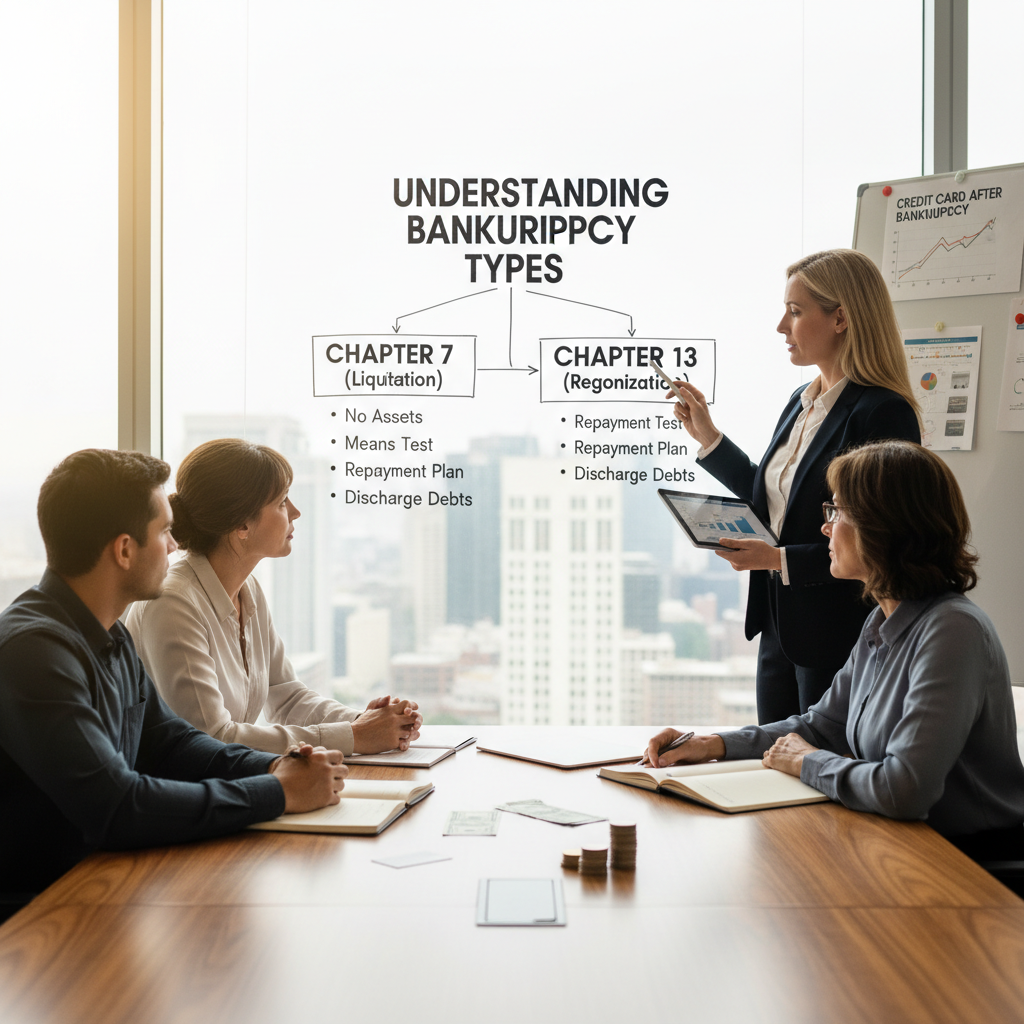
One of the first steps in navigating your financial recovery is to understand the type of bankruptcy you filed. There are two common types: Chapter 7 and Chapter 13, each with its own implications regarding credit applications.
Chapter 7 vs. Chapter 13: Different waiting periods for credit applications. Chapter 7 bankruptcy, often referred to as “liquidation bankruptcy,” typically discharges most unsecured debts, providing a fresh financial slate. However, it generally remains on your credit report for up to 10 years, with many lenders requiring a waiting period of 2 years before you can apply for new credit. In contrast, Chapter 13 bankruptcy allows you to reorganize your debts and repay them over a specified period, typically 3 to 5 years. Post-Chapter 13, you may be eligible to apply for a credit card as soon as your repayment plan is completed, which could be as short as 3 years after filing.
Impact on credit score: How bankruptcy affects your overall creditworthiness. Bankruptcy has a significant negative impact on your credit score, often dropping it by 150 points or more. This decline can make it challenging to secure credit immediately after filing. However, this score is not static; with diligent financial habits, you can begin to rebuild your credit score even while the bankruptcy remains on your report.
Factors Influencing Credit Card Approval

Several factors will influence your ability to obtain a credit card following bankruptcy, with time and credit habits being paramount.
Time elapsed since bankruptcy: The longer you wait, the better your chances. Generally, the longer you can wait after your bankruptcy before applying for a credit card, the better your chances of approval. Lenders want to see how you manage your finances after bankruptcy. If you wait at least one year and can demonstrate responsible financial behavior, such as paying bills on time and managing existing debts, you will likely find it easier to secure a credit card.
Current credit report: Importance of monitoring your credit score and report. Regularly monitoring your credit report is essential after bankruptcy. You can obtain free credit reports from the three major bureaus—Experian, TransUnion, and Equifax—once a year. Look for any inaccuracies or negative marks that could affect your creditworthiness. Disputing errors can help improve your score, making you a more attractive candidate for credit cards.
Types of Credit Cards Available Post-Bankruptcy
Once you’ve established a timeline and assessed your credit report, you can explore the types of credit cards available to you.
Secured credit cards: A good option for rebuilding credit. Secured credit cards are often the first step for individuals emerging from bankruptcy. These cards require a cash deposit that serves as collateral and typically equals your credit limit. For example, if you deposit $300, your credit limit will be $300. Responsible usage of a secured card—such as making small purchases and paying them off in full each month—can help rebuild your credit score.
Unsecured credit cards: Potential options for those with a stronger credit history post-bankruptcy. If some time has passed since your bankruptcy and you’ve worked on your credit history, you may qualify for unsecured credit cards. These cards do not require a cash deposit and may offer more favorable terms. Lenders might consider your payment history and current income when determining eligibility. For example, some companies specialize in offering unsecured cards to individuals recovering from bankruptcy with an initial lower credit limit.
Steps to Rebuild Your Credit Score
Rebuilding your credit score after bankruptcy involves strategic financial habits and discipline.
Make timely payments: Importance of consistent on-time payments. Your payment history accounts for a significant portion of your credit score. Consistently making on-time payments for all your bills, including utilities, rent, and any remaining debts, is vital. Set reminders or automate payments to ensure you never miss a due date.
Keep credit utilization low: How to manage credit limits effectively. Credit utilization—the ratio of your credit card balances to your credit limits—plays a crucial role in your credit score. Aim to keep your utilization below 30%. For example, if you have a credit limit of $1,000, try not to carry a balance of more than $300. This demonstrates to lenders that you can manage credit responsibly, which is essential when seeking new credit options.
Tips for Successful Credit Card Applications
Applying for credit cards post-bankruptcy can be daunting, but there are steps you can take to improve your chances of approval.
Check your credit report: Address inaccuracies before applying. Before submitting an application, check your credit report for any inaccuracies or outdated information that may affect your score. If you find discrepancies, dispute them with the credit bureau to ensure your report reflects your true financial status.
Research card options: Look for cards designed for individuals post-bankruptcy. Not all credit cards are created equal, and many issuers cater specifically to individuals recovering from bankruptcy. Look for cards that offer terms favorable to you, such as low fees and a reasonable interest rate. Online comparison tools can help you find the best options suited to your current financial situation.
Common Misconceptions About Bankruptcy and Credit
Bankruptcy often carries a stigma, leading to widespread misconceptions that can misinform individuals about their financial futures.
Myth vs. reality: Clarifying what bankruptcy means for future credit opportunities. One common myth is that bankruptcy permanently ruins your credit. While it does have a significant impact, it is not a life sentence. With responsible financial practices and informed credit management, many individuals successfully rebuild their credit scores to the point where they can secure favorable loans and credit terms within a few years.
Long-term effects of bankruptcy: How it impacts your financial future. Another misconception is that bankruptcy makes it impossible to obtain credit. In reality, many lenders are willing to extend credit to individuals who have declared bankruptcy, especially if they see evidence of improved credit behavior. While the bankruptcy will remain on your credit report for a set period—10 years for Chapter 7 and 7 years for Chapter 13—this does not prevent you from accessing credit in the long term.
In summary, while obtaining a credit card after bankruptcy may take some time, understanding the process and taking proactive steps can significantly enhance your chances. By educating yourself on the types of bankruptcy, monitoring your credit report, and adopting responsible financial practices, you can rebuild your credit effectively. Start your journey today by exploring your options and committing to a healthier financial future.
Frequently Asked Questions
How long after bankruptcy can I apply for a credit card?
Generally, you can apply for a credit card immediately after your bankruptcy discharge, which typically occurs three to six months after filing. However, obtaining approval may be challenging due to your credit history. Many lenders prefer that you wait at least a year to rebuild your creditworthiness, so it’s essential to focus on improving your credit score before applying for a new card.
What types of credit cards can I get after bankruptcy?
After bankruptcy, individuals typically qualify for secured credit cards, which require a cash deposit that serves as your credit limit. Some issuers also offer unsecured credit cards designed for those with poor credit or a recent bankruptcy. Researching options suitable for your credit situation can help you rebuild credit effectively while managing your finances prudently.
Why is it difficult to get a credit card after bankruptcy?
After bankruptcy, your credit report reflects a significant negative mark that indicates financial distress. Lenders view this as a high-risk factor, making it challenging to get approved for credit cards. Many lenders require a waiting period to see if you can manage your finances responsibly post-bankruptcy, which is why rebuilding your credit score and demonstrating good payment habits is crucial.
How can I improve my chances of getting a credit card after bankruptcy?
To improve your chances of obtaining a credit card after bankruptcy, focus on rebuilding your credit score by paying all bills on time and reducing existing debt. Consider applying for a secured credit card or becoming an authorized user on someone else’s credit card to establish positive credit history. Regularly checking your credit report for errors and disputing inaccuracies can also enhance your chances of approval.
Which credit card issuers are more likely to approve applications after bankruptcy?
Several credit card issuers specialize in offering cards to individuals with a bankruptcy history. Companies like Capital One, Discover, and Credit One Bank often provide options for those looking to rebuild credit. It’s wise to research each issuer’s terms and conditions, as well as fees associated with the cards, ensuring that you choose one that aligns with your financial goals.
References
- https://www.consumerfinance.gov/about-us/blog/what-happens-to-your-credit-after-bankruptcy/
- https://www.nolo.com/legal-encyclopedia/credit-cards-after-bankruptcy-36683.html
- https://www.nerdwallet.com/article/credit-cards/bankruptcy-and-credit-cards
- https://www.bankrate.com/finance/debt/credit-cards-after-bankruptcy/
- https://www.investopedia.com/articles/personal-finance/080515/how-soon-can-you-get-credit-card-after-bankruptcy.asp
- https://www.thebalance.com/how-long-after-bankruptcy-can-you-get-credit-960962
- https://www.experian.com/blogs/news/2020/02/getting-a-credit-card-after-bankruptcy/
- https://www.credit.org/blog/credit-cards-after-bankruptcy/