

Boat insurance generally does not cover a blown engine unless specific conditions are met. Understanding the intricacies of your policy is essential for boat owners to determine if engine failure is included. In this article, we will explore the circumstances under which a blown engine might be covered, the different types of boat insurance, and steps you can take to ensure you’re adequately protected.
Understanding Boat Insurance Basics
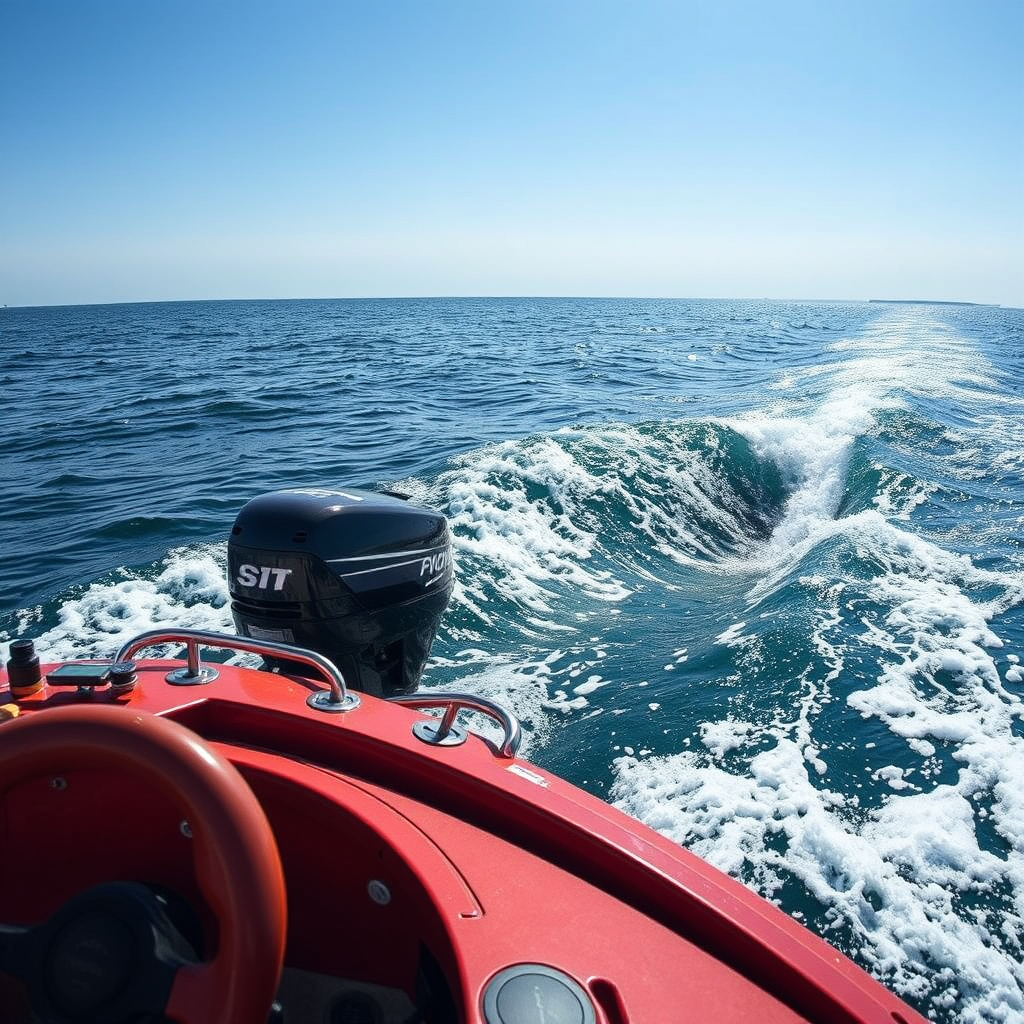
Boat insurance serves as a safety net for boat owners, providing financial protection against various risks associated with owning and operating a boat. Its primary purpose is to mitigate the financial impact of accidents, theft, or damage to the vessel and ensure that boaters are safeguarded in case of liability claims from third parties.
There are several common coverage types in boat insurance. Liability coverage protects you in the event of bodily injury or property damage to others caused by your boat. Collision coverage pays for damage to your boat resulting from an accident, regardless of fault, while comprehensive coverage encompasses a broader range of risks, such as theft, vandalism, and damage from non-collision incidents like storms or fire. Understanding these coverage types is vital for differentiating what is and isn’t covered, especially concerning engine failures.
What Causes Engine Failures?
Engine failures can occur for a variety of reasons, and being aware of them can help boat owners take preventive measures. One of the most common reasons for engine failure is lack of maintenance. Regular upkeep, including oil changes, fuel system checks, and cooling system inspections, is critical in ensuring the engine operates smoothly. Mechanical issues can also arise, such as worn-out parts, faulty electrical systems, or overheating, all of which can lead to significant engine problems.
The importance of regular inspections and maintenance cannot be overstated. Scheduling routine check-ups with a qualified marine technician can catch potential issues before they become catastrophic failures. For instance, engines that are maintained regularly are less likely to suffer from sudden breakdowns, which can save you from costly repairs and the potential for insurance complications.
Coverage for Engine Failures in Policies
Most standard boat insurance policies treat engine failures as wear and tear rather than a covered peril. This means that unless the engine failure results from a covered event, such as an accident or a storm, it is unlikely to be reimbursed. It is essential for boat owners to carefully read their insurance policies and understand the exclusions related to engine failures.
However, there are additional coverage options that boat owners can consider. Some insurance providers offer specific endorsements or riders that include engine failure due to mechanical breakdowns. These add-ons can provide peace of mind, especially for older vessels or those that are heavily used. Before purchasing a policy, it is advisable to discuss these options with your insurance agent to tailor your coverage to your unique needs.
The Role of Maintenance and Documentation
Keeping thorough maintenance records is crucial in supporting any claims related to engine failure. Insurers often require proof that regular servicing has been conducted to assess whether the failure was due to neglect. This documentation can include invoices from repair shops, logs of maintenance tasks performed, and receipts for parts purchased.
Consistent and documented maintenance not only supports your claims but can also influence your insurance premium. Policies may be more favorable towards boaters who demonstrate a commitment to proper care, potentially resulting in lower premiums. Additionally, maintaining a well-documented history of upgrades and repairs can enhance the overall value of your boat, which is beneficial when seeking coverage.
Steps to Take if Your Engine Blows
If you experience a blown engine, the immediate steps you take can significantly impact your safety and the claims process. Firstly, assess the damage and ensure that you are in a safe position, preferably away from any hazards or traffic. If you are on the water, consider moving to a secure location if possible or signaling for help.
Next, contact your insurance provider to report the incident. Provide them with as much detail as possible, including the circumstances surrounding the engine failure and any documentation you have regarding maintenance. Your insurer will guide you through the claims process, which may involve an assessment of the damage by a claims adjuster.
It is also advisable to take photographs of the engine and the vessel’s condition, as these can serve as additional evidence for your claim. Having a clear and comprehensive account of the incident can improve the likelihood of a favorable outcome.
Alternatives to Standard Coverage
For boat owners seeking more extensive protection against engine failures, specialized policies may be available. These may include warranties or service contracts that specifically cover mechanical breakdowns, offering peace of mind for those who want to protect their investment further.
When considering additional coverage options, be sure to evaluate endorsements or riders that can enhance your existing policy. Some insurers may offer tailored solutions that meet the specific needs of boat owners, so it is wise to shop around and compare offerings from different companies.
Conclusion
Understanding whether your boat insurance covers a blown engine is crucial for every boat owner. While standard policies often exclude engine failures, exploring additional coverage options and maintaining thorough documentation of your boat’s maintenance can significantly influence your protection. Regular maintenance plays a central role in preventing engine issues and supporting any claims you may need to file. As such, it is advisable to review your insurance policy regularly and consult with your insurance agent to ensure you have the necessary protection against unforeseen engine failures. Taking these proactive steps will help you navigate the complexities of boat ownership with greater confidence and security.
Frequently Asked Questions
Does boat insurance cover damage caused by a blown engine?
Yes, boat insurance may cover damage caused by a blown engine, but it largely depends on the specific terms of your policy. Most comprehensive boat insurance policies include coverage for mechanical failures if they result from an accident or unforeseen event, but neglect or lack of maintenance may not be covered. Always review your policy details and speak with your insurance agent to clarify what is included.
How can I ensure my boat insurance covers engine failures?
To ensure your boat insurance covers engine failures, it’s crucial to choose a policy that explicitly includes mechanical failure coverage. When shopping for boat insurance, ask potential providers about their policies on engine failures and any exclusions that may apply. Additionally, maintaining your boat and keeping detailed records can demonstrate responsible ownership, which may be beneficial during a claims process.
Why is it important to understand my boat insurance policy regarding engine coverage?
Understanding your boat insurance policy regarding engine coverage is essential to avoid unexpected financial burdens during a mechanical failure. If you believe you are covered for a blown engine but discover that your policy excludes such damages, you could face costly repairs out of pocket. Knowledge of your policy’s limits helps you make informed decisions about maintenance, upgrades, and potential additional coverage.
What types of boat insurance coverages should I consider for engine protection?
When considering coverage for engine protection, look for policies that offer comprehensive coverage, which typically includes physical damage and liability. Additionally, you may want to explore extended warranty options or mechanical breakdown insurance, which can provide added security against engine failure. Policies with specialized endorsements for marine engines can also offer enhanced protection against specific mechanical issues.
Which factors can affect whether my blown engine is covered by insurance?
Several factors can affect whether your blown engine is covered by insurance, including the specifics of your policy, the cause of the engine failure, and your maintenance history. Policies may have exclusions for wear and tear or mechanical failure due to lack of maintenance. Additionally, if the engine failure is deemed to be a result of an accident, it is more likely to be covered, so it’s important to document incidents and maintain your vessel properly.
References
- 404 – Page not found | III
- https://www.boatinsurance.org/faq/what-does-boat-insurance-cover
- – NASBLA Connect
- https://www.nolo.com/legal-encyclopedia/boat-insurance-coverage-29762.html
- https://www.usps.org/national/acc/faq-boat-insurance-coverage.html