

Many insurance plans do not cover bionic smile procedures, but it ultimately depends on the specific policy and provider. The bionic smile, which incorporates advanced dental technologies and aesthetic enhancements, represents a growing trend in cosmetic dentistry. As patients consider these innovative treatments, understanding the nuances of insurance coverage becomes paramount. In this article, we will explore the complexities of insurance coverage for bionic smile treatments, factors to consider when evaluating your options, and strategies to maximize your benefits.
Understanding Bionic Smile Treatments
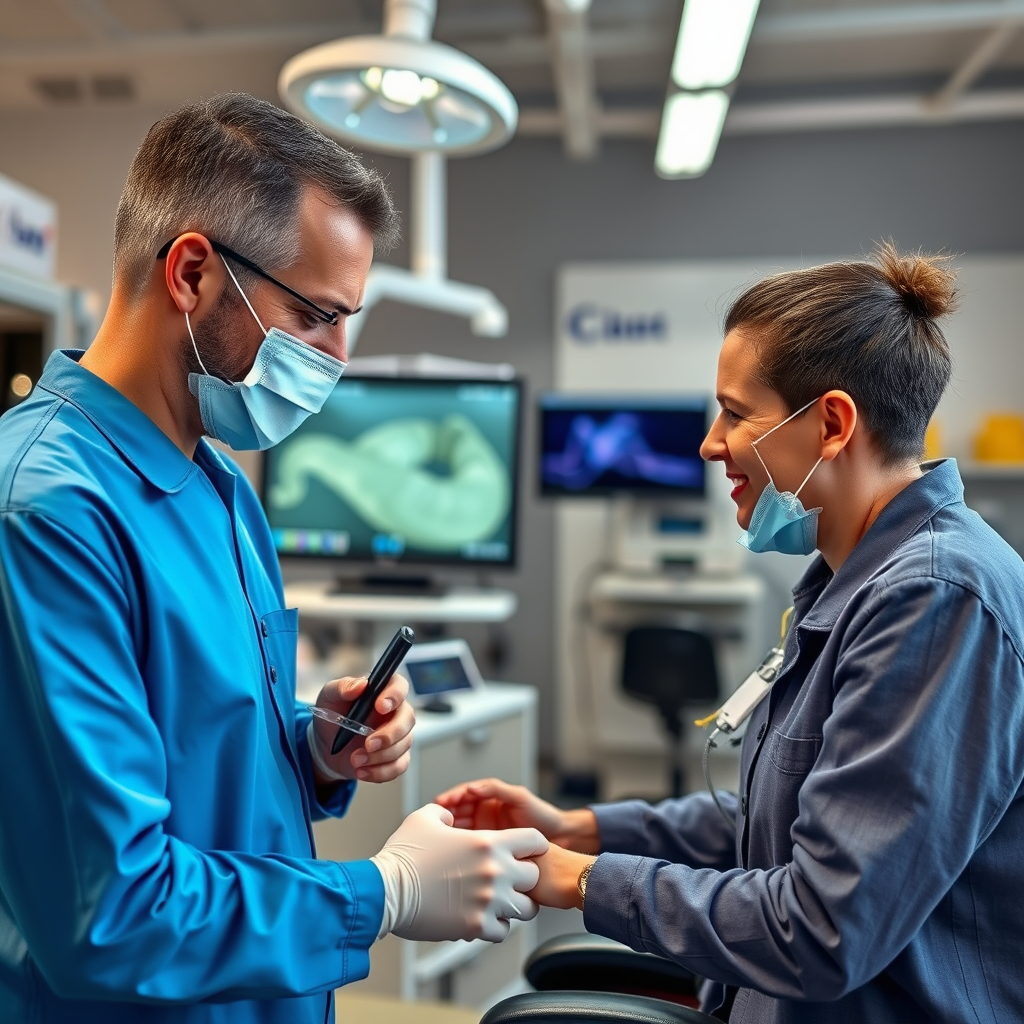
A bionic smile typically refers to a combination of cosmetic dentistry procedures designed to enhance the appearance of a person’s smile using advanced technology. This may include treatments such as dental implants, veneers, teeth whitening, and orthodontics, all aimed at creating a harmonious and aesthetically pleasing outcome.
Common procedures involved in a bionic smile include:
– Dental Implants: These are titanium posts inserted into the jawbone to serve as replacements for missing teeth. They offer a permanent solution that mimics the look and function of natural teeth.
– Veneers: Thin shells of porcelain or composite resin are bonded to the front surface of teeth to correct imperfections, such as chips, gaps, or discoloration.
– Invisalign or Braces: These orthodontic treatments are used to align teeth properly, improving both function and aesthetics.
– Teeth Whitening: This procedure lightens discoloration and enhances the brightness of the smile, often performed in-office or through take-home kits.
Each of these procedures serves a specific purpose, contributing to the overall goal of achieving a ‘bionic smile’—a smile that is not only beautiful but also functional and healthy.
Insurance Eligibility for Bionic Smile
Understanding insurance coverage for bionic smile treatments can be complex. Generally, most insurance plans do provide coverage for dental and cosmetic procedures, but the extent of that coverage can vary significantly.
Factors that influence whether a specific treatment is covered include:
– Medical Necessity: If a procedure is deemed medically necessary—such as dental implants for missing teeth—it is more likely to be covered than purely cosmetic enhancements like veneers or whitening treatments.
– Plan Specifications: Each insurance policy has its own definitions of coverage, limits, and exclusions. Some plans may cover certain procedures related to a bionic smile while others might not.
– Provider Network: Insurance plans often have preferred provider networks. Treatments performed by in-network providers are generally covered at a higher percentage than those performed by out-of-network dentists.
Patients are encouraged to thoroughly review their policy documents and consult with their insurance representatives to understand the specifics of their coverage.
Types of Insurance Plans and Coverage Variations
Insurance plans can vary widely in terms of coverage for dental and cosmetic procedures. Here’s a breakdown of different types of insurance plans and their typical coverage:
– Preferred Provider Organization (PPO): PPO plans generally offer more flexibility in choosing providers and typically cover a percentage of both preventive and restorative services. They may partially cover bionic smile procedures, especially if deemed necessary.
– Health Maintenance Organization (HMO): HMO plans require members to choose a primary care dentist within their network. Coverage might be more limited compared to PPOs, and obtaining referrals may be necessary for specialty services.
– Dental Discount Plans: While not insurance, these plans offer discounts on dental services through a network of providers. Patients seeking bionic smile treatments can save significantly, although these plans do not provide traditional insurance benefits.
Examples of insurance providers known to cover certain aspects of bionic smile procedures include Delta Dental, Cigna, and Aetna, which may provide varying levels of coverage based on individual policies and specific procedures.
Steps to Verify Your Coverage
To ensure you understand your insurance coverage for bionic smile treatments, follow these steps:
1. Contact Your Insurance Provider: Reach out via the customer service number provided on your insurance card. Be prepared to ask specific questions about coverage for the procedures you are considering.
2. Gather Necessary Information: When contacting your provider, have relevant details at hand, including your policy number, the specific treatments you are interested in, and any previous dental work that may be relevant.
3. Request Written Confirmation: After your discussion, ask for written confirmation of your coverage details. This documentation can be beneficial if there are disputes regarding coverage later.
4. Consult Your Dentist: Your dental office can also assist in verifying coverage. They may have experience dealing with insurance providers and can help navigate the complexities of your specific plan.
By taking these steps, patients can gain clarity on their insurance coverage and avoid unexpected costs.
Financial Options Beyond Insurance
For those whose insurance does not fully cover bionic smile procedures, there are several alternative payment plans and financing options available:
– Payment Plans: Many dental practices offer in-house financing options, allowing patients to spread the cost of treatment over several months.
– Medical Credit Cards: Companies like CareCredit provide credit cards specifically for healthcare expenses. These cards often come with promotional periods offering zero interest if paid within a certain timeframe.
– Personal Loans: Patients may also consider personal loans from banks or credit unions. These can provide the necessary funds upfront, allowing for immediate treatment, with repayment terms that fit their financial situation.
Exploring these options can help make bionic smile treatments more accessible even if insurance coverage is limited.
Patient Experiences and Testimonials
Patient experiences regarding insurance coverage for bionic smile treatments can vary widely. Some patients have reported successful claims where their insurance covered a significant portion of their dental implants, enabling them to achieve their desired smile without facing overwhelming financial burdens. For example, one patient shared how their PPO plan covered 70% of the costs associated with their dental implants, greatly easing their financial stress.
Conversely, other patients have faced challenges, particularly with cosmetic procedures. A patient who sought coverage for veneers found that their insurance deemed the treatment purely cosmetic and offered no assistance. This led them to explore financing options, which ultimately allowed them to proceed with treatment but required careful budgeting.
These real-life stories highlight the importance of understanding insurance policies and exploring all available options to achieve the desired smile.
In summary, while many insurance plans may not cover bionic smile procedures, understanding your specific policy and exploring additional financial options can significantly impact your experience. If you’re considering a bionic smile, reach out to your insurance provider and discuss your options to ensure you make an informed decision.
Frequently Asked Questions
Does Bionic Smile accept insurance for their services?
Bionic Smile typically operates as a private practice and may not directly accept all forms of dental insurance. However, they often provide patients with the necessary documentation to file claims with their insurance providers for reimbursement. It’s best to contact their office directly or check their website to see if they have specific partnerships with insurance companies.
How can I find out if my insurance covers Bionic Smile treatments?
To determine if your insurance covers treatments at Bionic Smile, you should first review your insurance policy or contact your insurance provider directly. You can also consult with the staff at Bionic Smile, who can assist you in understanding your coverage options and guide you through the process of checking your benefits.
Why might Bionic Smile not accept certain insurance plans?
Bionic Smile may not accept certain insurance plans due to a variety of factors, including the limitations of reimbursement rates, the complexity of the plan’s coverage, or the administrative burden associated with processing claims. Additionally, they may prioritize offering the highest quality of care and personalized services that certain insurance plans may not support adequately.
What payment options are available at Bionic Smile if my insurance doesn’t cover treatment?
If your insurance does not cover treatment at Bionic Smile, they generally offer various payment options, including credit cards, payment plans, and financing options through third-party services. This flexibility allows patients to manage the cost of their dental care more effectively without compromising on quality.
Which types of dental services at Bionic Smile are most likely to be covered by insurance?
Common dental services at Bionic Smile that are often covered by insurance include preventive care, such as cleanings, exams, and X-rays, as well as restorative procedures like fillings and crowns. However, coverage can vary widely based on your specific insurance plan, so it’s essential to verify details with both Bionic Smile and your insurance provider to understand what is specifically included in your coverage.
References
- https://www.ncbi.nlm.nih.gov/pmc/articles/PMC7070981/
- https://www.ada.org/en/science-research/health-policy-institute/insurance-coverage
- https://www.ncbi.nlm.nih.gov/pmc/articles/PMC5561728/
- https://www.ncbi.nlm.nih.gov/pmc/articles/PMC6510546/
- https://www.who.int/news-room/questions-and-answers/item/health-insurance-and-financing
- https://www.ama-assn.org/delivering-care/public-health/what-is-bionic-smile
- https://www.theguardian.com/society/2021/mar/03/cosmetic-dentistry-insurance-coverage
- https://www.nih.gov/news-events/news-releases/fda-approves-first-digital-bionic-implant