

Red light violations can indeed impact your insurance rates, potentially leading to higher premiums. Insurance providers view running a red light as a serious traffic infraction, which can affect your risk profile and subsequently your insurance costs. In this article, we’ll explore how these violations can influence your insurance, the immediate and long-term consequences, and what proactive measures you can take to mitigate the financial impact.
Understanding Red Light Violations
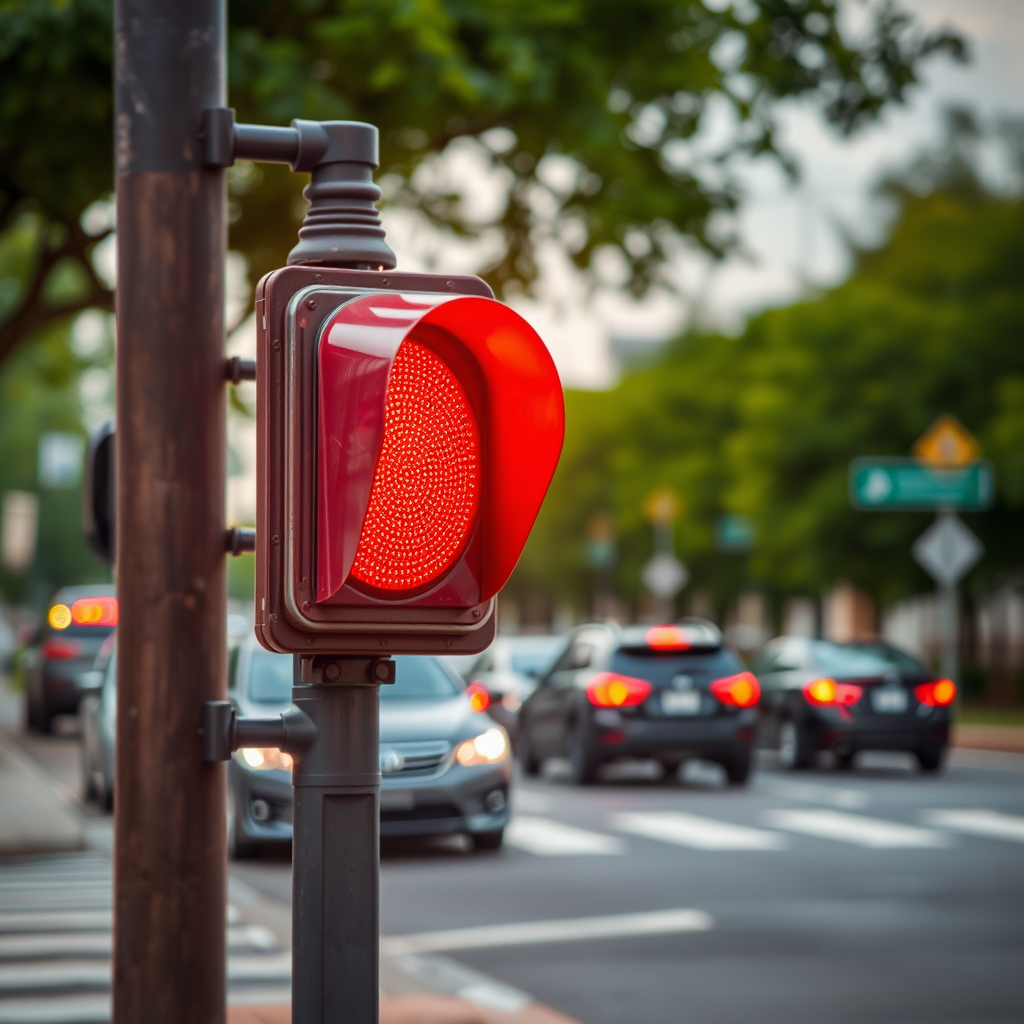
A red light violation occurs when a driver fails to stop at a traffic signal displaying red, often resulting in dangerous situations, accidents, and fatalities. Common scenarios include turning left on a red light, failing to stop at intersections, or rushing through a yellow light that turns red. The legal implications of running a red light can vary by state, but they typically include hefty fines, which can range from $50 to $500, depending on the jurisdiction. In addition to monetary penalties, drivers may also incur points on their driving record, which can lead to further consequences such as higher insurance rates or even license suspension.
Traffic laws are enacted to promote safety on the roads, and running a red light undermines that safety. Beyond fines and points, such violations can also lead to increased scrutiny from law enforcement, potentially resulting in further legal complications if accidents occur as a result of the infraction.
Insurance Companies and Traffic Violations
Insurance companies assess risk based on a variety of factors, one of which is an individual’s driving record. When evaluating a potential client or reassessing an existing policyholder, insurers look closely at traffic violations to gauge the likelihood of future claims. A clean driving record typically translates to lower premiums, while violations, especially serious ones like red light violations, can signal higher risk to insurers.
The role of traffic violations in determining premiums is significant. Insurers may use a points system that assigns numerical values to different infractions, leading to a direct correlation between the severity and frequency of violations and changes in insurance costs. For instance, a single red light violation may result in a slight increase in premiums, while multiple violations can trigger more substantial hikes or even a reassessment of coverage options, potentially placing the driver in a higher risk category.
Immediate Effects on Insurance Rates
The immediate aftermath of a red light violation often includes a noticeable increase in insurance premiums. Typically, insurers will review your driving record at the time of renewal, which may result in a premium increase ranging from 20% to 50% as a direct consequence of the infraction. This increase could persist for several years, depending on the insurer and the state laws governing traffic violations.
The duration of the premium increase is often tied to how long the offense remains on your record, which can be from three to five years, depending on local regulations. During this period, the financial burden of increased premiums can accumulate, significantly impacting your overall insurance costs. For example, if your monthly premium rises from $100 to $150, over three years, that translates to an additional $1,800 in expenses.
Long-Term Consequences of Multiple Violations
While a single red light violation can lead to immediate financial consequences, the impact intensifies with multiple offenses. Insurance companies often view repeated violations as a pattern of risky behavior, leading to compounded effects on your insurance rates. For instance, if you accumulate three or more violations within a short period, you may find yourself classified as a high-risk driver.
This classification can result in even higher premiums, making it difficult to find affordable coverage. In some cases, insurers may refuse to renew policies for drivers with multiple violations or impose stricter terms and conditions. Additionally, having a poor driving record can limit your options when seeking new insurance providers, as many companies may hesitate to offer coverage to high-risk drivers.
Mitigating the Impact of a Red Light Violation
If you receive a red light violation, taking immediate action can help mitigate its impact on your insurance. One of the first steps is to review the ticket thoroughly and consider whether there are grounds for contesting it. If you believe the infraction was issued in error, you can appeal the ticket, which may involve attending a court hearing.
Another effective strategy is to enroll in a defensive driving or traffic school program. Many states offer these programs as an alternative to harsher penalties, and successful completion can lead to the reduction of points on your driving record. Additionally, some insurance companies offer discounts for drivers who have completed such courses, which can help offset the increase in premiums resulting from the violation.
Finally, maintaining open communication with your insurance provider is essential. Discussing your situation with them may lead to options for mitigating the impact, including potential discounts or policy adjustments.
Alternatives to Consider
Post-violation, exploring different insurance companies can be a prudent move. Some insurers are more lenient regarding traffic violations than others, and shopping around can yield better rates even if your driving record has been affected. Use comparison tools online to assess quotes from multiple providers, paying close attention to the terms and conditions regarding traffic violations.
Furthermore, maintaining a clean driving record moving forward can significantly help in the long run. Many insurance companies offer safe driver discounts or rewards programs for policyholders who avoid traffic violations for an extended period. By practicing safe driving habits and avoiding infractions, you can gradually improve your risk profile and potentially lower your premiums over time.
In summary, a red light violation can lead to higher insurance rates, but understanding your options can help mitigate the impact. If you’ve recently received a ticket, consider reviewing your insurance policy and speaking with your provider about potential consequences. Taking proactive steps, such as contesting the ticket, attending traffic school, and shopping around for better rates, can help protect your finances and maintain your driving record.
Frequently Asked Questions
Does a red light violation impact my car insurance rates?
Yes, a red light violation can significantly impact your car insurance rates. Insurance companies typically view traffic violations as indicators of risky driving behavior, which may lead to increased premiums. If you receive a ticket for running a red light, it’s advisable to check with your insurer to understand how it could affect your specific policy.
How long does a red light ticket stay on my driving record?
A red light ticket can remain on your driving record for anywhere from three to five years, depending on your state’s laws. This duration can vary based on the severity of the violation and whether you have any prior offenses. A longer record of infractions can lead to higher insurance rates, so it’s important to drive safely to maintain a clean record.
Can I contest a red light violation to avoid insurance rate increases?
Yes, you can contest a red light violation in court to potentially avoid the associated insurance rate increases. If you believe you were wrongly ticketed, gathering evidence such as photographs or witness statements may strengthen your case. Successfully contesting the ticket may prevent it from impacting your driving record and insurance rates.
What is the best way to avoid getting a red light ticket?
The best way to avoid getting a red light ticket is to always be vigilant and adhere to traffic signals. Familiarize yourself with the timing of traffic lights and slow down as you approach intersections. Additionally, defensive driving techniques, such as scanning the intersection and being mindful of surrounding vehicles, can help prevent accidental violations.
Which states have the strictest penalties for red light violations?
States such as California, New York, and Florida are known for having strict penalties for red light violations, including higher fines and points on your license. These penalties can vary by city within the state, so it’s essential to be aware of local laws. Understanding the specific regulations in your state can help you navigate potential consequences more effectively.
References
- 404 – Page not found | III
- https://www.nhtsa.gov/risky-driving/red-light-running
- 404 – Page not found | III
- ConsumerReports.org – Page not found error – Consumer Reports
- https://www.edmunds.com/car-insurance/how-traffic-violations-affect-insurance.html