

Yes, federal student loans can be used for rent, provided you adhere to specific guidelines and understand how these funds can be allocated. While federal student loans are primarily designed to cover educational expenses such as tuition and fees, they can also help with living costs, including housing expenses. This article will delve into the specifics of how federal student loans can assist with your housing costs while you are in school, the types of expenses that are covered, and practical tips for managing your loan funds effectively.
Understanding Federal Student Loans
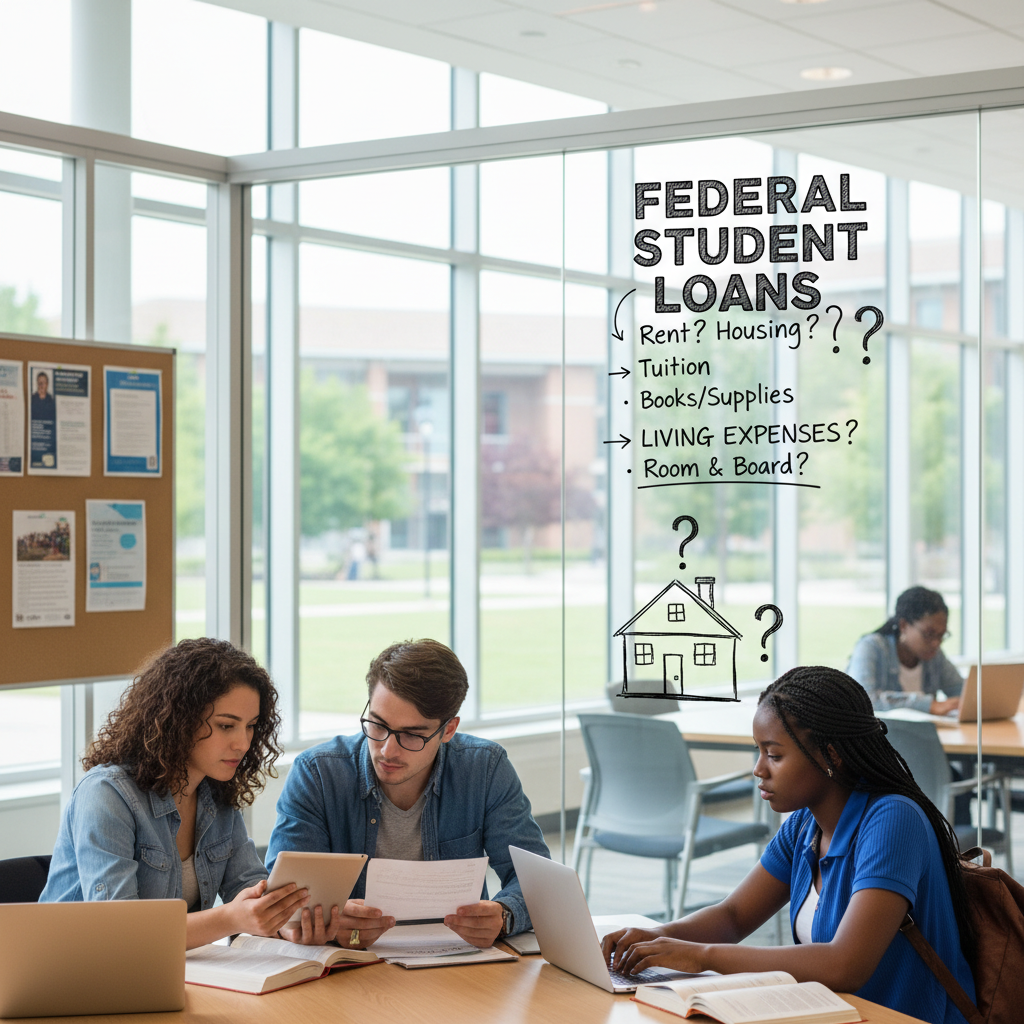
Federal student loans are a crucial financial resource for many students pursuing higher education. These loans are offered by the government and are intended to alleviate the financial burden associated with educational expenses. The primary focus of federal student loans is to cover tuition, fees, and other costs directly related to education. However, depending on the type of loan you receive, a portion of these funds can also be allocated for living expenses, which includes rent.
It’s essential to understand that while you can use federal student loans for rent, this is typically allowed as part of the broader category of living expenses. When you receive your loan disbursement, you can use the funds to cover various costs related to your education and daily living, making it easier to focus on your studies without the stress of financial limitations.
Eligible Expenses Covered by Student Loans
Federal student loans can cover a variety of expenses, which can help you maintain a comfortable living situation while attending school. The primary categories of eligible expenses include:
– Tuition and Fees: This is the most straightforward and primary use of federal student loans. These funds are allocated to cover the cost of courses, registration, and other fees associated with your educational institution.
– Living Expenses: In addition to tuition, federal student loans can also be used to cover essential living costs while you are enrolled in school. This includes rent, utility bills, food, transportation, and other necessary costs. The U.S. Department of Education allows you to include a reasonable amount for living expenses as part of your cost of attendance.
Understanding the total cost of attendance as defined by your school is crucial. This figure provides a comprehensive view of all expenses, including both direct costs like tuition and indirect costs such as housing. By knowing these costs, you can better plan how your federal student loans can be utilized.
Budgeting Your Loan Funds
Once you have received your federal student loans, effective budgeting becomes imperative to ensure that you manage your funds wisely. Here are some actionable steps to help you create a budget that allows you to allocate funds for rent and other living expenses:
– Create a Detailed Budget: Start by listing all your expected income, including federal student loans and any other sources of income. Next, outline your monthly expenses, distinguishing between fixed costs (like rent) and variable costs (such as groceries or entertainment). This clarity will help you understand where your money will go each month.
– Prioritize Necessities: Make sure to allocate enough funds for essential expenses first. Rent and utilities should be at the top of your list, followed by food and transportation. Once these necessities are secured, you can allocate remaining funds for discretionary spending.
– Track Your Spending: Utilize budgeting tools or apps to help you track your expenses against your budget. Regularly reviewing your spending habits can help you identify areas where you might be overspending and adjust accordingly.
By following these budgeting strategies, you can effectively manage your federal student loan funds and ensure that you can cover your rent and other living expenses without financial strain.
Types of Federal Student Loans
To maximize your financial aid, it’s essential to understand the different types of federal student loans available:
– Direct Subsidized Loans: These are need-based loans offered to undergraduate students. The government pays the interest on these loans while you are in school at least half-time, which can significantly reduce the overall cost of borrowing. This means that the amount you owe upon graduation is less compared to other loans.
– Direct Unsubsidized Loans: These loans are available to both undergraduate and graduate students, regardless of financial need. Unlike subsidized loans, interest accrues on unsubsidized loans while you are still in school. This can lead to a larger repayment amount after graduation, so it’s essential to factor this into your budgeting and financial planning.
Understanding these loan types can help you make informed decisions about which loans to accept and how to strategize your borrowing to optimize your financial situation during and after college.
Applying for Federal Student Loans
Applying for federal student loans begins with completing the Free Application for Federal Student Aid (FAFSA). Here are essential steps in the application process:
– Complete the FAFSA: This form collects necessary financial information to determine your eligibility for federal student aid, including loans. Make sure to fill it out as early as possible each year to maximize your aid opportunities.
– Understand Your Eligibility: Once your FAFSA is processed, you will receive a Student Aid Report (SAR) that summarizes your financial information and indicates your eligibility for various types of aid. Review this report carefully to understand what aid you qualify for, including federal student loans.
– Choose the Right Loans: After your eligibility is determined, your school will send you a financial aid offer, outlining the types and amounts of loans you can receive. Take the time to review these options and choose the loans that best fit your financial situation and future goals.
By following these steps, you can effectively navigate the federal student loan application process and ensure you secure the necessary funds for both your education and living expenses.
Repayment Considerations
Understanding the terms of your federal student loans is crucial for effective financial planning, especially as you approach graduation. Here are key considerations regarding loan repayment:
– Repayment Terms: Federal student loans typically have a six-month grace period after graduation, where you are not required to make payments. However, interest may still accrue on unsubsidized loans during this time. Familiarize yourself with your loan’s terms, including the length of the repayment period, which is generally 10 years for most federal loans.
– Interest Rates: Federal student loan interest rates are fixed, meaning they will not change over the life of the loan. It’s essential to know your loan’s interest rate as it will affect your monthly payments and total repayment amount.
– Post-Graduation Budgeting: As graduation approaches, consider how you will manage rent and living expenses alongside loan repayments. Creating a post-graduation budget that accounts for your expected income and loan payments will help you prepare for this transition.
By planning ahead and understanding the repayment structure of your federal student loans, you can minimize financial stress after graduation and ensure a smoother transition into the workforce.
Alternatives to Federal Student Loans for Rent
While federal student loans can significantly help with housing costs, exploring alternative funding sources can provide additional financial relief. Consider the following options:
– Scholarships and Grants: Many organizations offer scholarships and grants that do not require repayment. Research available options in your field of study or local community to reduce your financial burden.
– Part-Time Work: Balancing a part-time job with your studies can provide extra income to help cover living expenses. Look for flexible job opportunities, such as on-campus positions or remote work, that can accommodate your class schedule.
– Student-Specific Housing Programs: Some universities offer housing programs or partnerships that provide reduced rates for students. Investigate these opportunities to find affordable living options that align with your budget.
By diversifying your funding sources and exploring these alternatives, you can create a more sustainable financial plan that alleviates the pressure of rent and living expenses during your studies.
In summary, federal student loans can indeed assist with covering rent while you pursue your education, provided you understand the guidelines and manage your funds wisely. By budgeting effectively, understanding the types of loans available, and exploring alternative funding options, you can create a comfortable living situation while focusing on your academic success. Stay informed about your financial responsibilities and continue to seek resources that support both your educational and living needs. For more tips on managing your student loans and finances, stay tuned for our future articles!
Frequently Asked Questions
Can federal student loans be used to pay for rent?
Yes, federal student loans can be used to cover rent and other living expenses, but it’s important to note that these loans are primarily intended for tuition and educational costs. When applying for student loans, students can include living expenses in their cost of attendance, which is determined by the school. Therefore, while you can use federal student loans to help with rent, it’s essential to budget wisely and ensure that the loan amounts align with your educational needs.
How do I include rent in my student loan budget?
To include rent in your student loan budget, you should first check your school’s cost of attendance (COA) figures, which typically encompass tuition, fees, living expenses, and other costs. When filling out the Free Application for Federal Student Aid (FAFSA), be sure to estimate your monthly rent and any additional living costs. The total COA will determine the maximum amount of federal student loans you can apply for, allowing you to use a portion of those funds for your rent.
Why can federal student loans be used for living expenses like rent?
Federal student loans can be used for living expenses, including rent, because they are designed to support students throughout their educational journey. The U.S. Department of Education recognizes that many students face additional costs beyond tuition, such as housing, food, and transportation. By allowing students to use federal loans for living expenses, it ensures they can focus on their studies without the stress of financial burdens.
What types of federal student loans can I use for rent?
The primary types of federal student loans that can be used for rent are Direct Subsidized Loans and Direct Unsubsidized Loans. Subsidized loans are need-based and do not accrue interest while you are in school, while unsubsidized loans are available regardless of financial need but do accrue interest. Both loan types can be factored into your cost of attendance and used to cover rent and other living expenses.
Which federal student loan options are best for covering living costs?
The best federal student loan options for covering living costs include Direct Subsidized Loans and Direct Unsubsidized Loans, as they typically offer lower interest rates and more favorable repayment terms compared to private loans. Additionally, for graduate students, Direct PLUS Loans can also be an option, providing access to funds that can help cover both tuition and living expenses. It’s important to assess your financial situation and needs when selecting the best loan option for your living costs.
References
- Federal Student Aid
- https://www.educationcorner.com/federal-student-loans.html
- https://www.nasfaa.org/Student_Loans
- https://www.consumerfinance.gov/ask-cfpb/can-i-use-student-loans-to-pay-for-rent-when-i-m-in-school-question/
- https://www.ed.gov/news/press-releases/education-department-announces-new-guidance-student-loan-repayment-and-discharge-options
- https://www.thebalance.com/federal-student-loans-4171777
- https://www.wsj.com/articles/how-student-loans-can-help-with-rent-11617979200
- https://www.niche.com/blog/federal-student-loans/