

Yes, you can potentially get a title loan with a damaged car, but your eligibility will largely depend on the severity of the damage and the specific policies of the lender you choose. While some lenders may be strict regarding the condition of the vehicle, others may focus more on the overall value of the car, which can still qualify you for a loan. Understanding how title loans work and the factors that influence approval can help you navigate this process effectively.
Understanding Title Loans
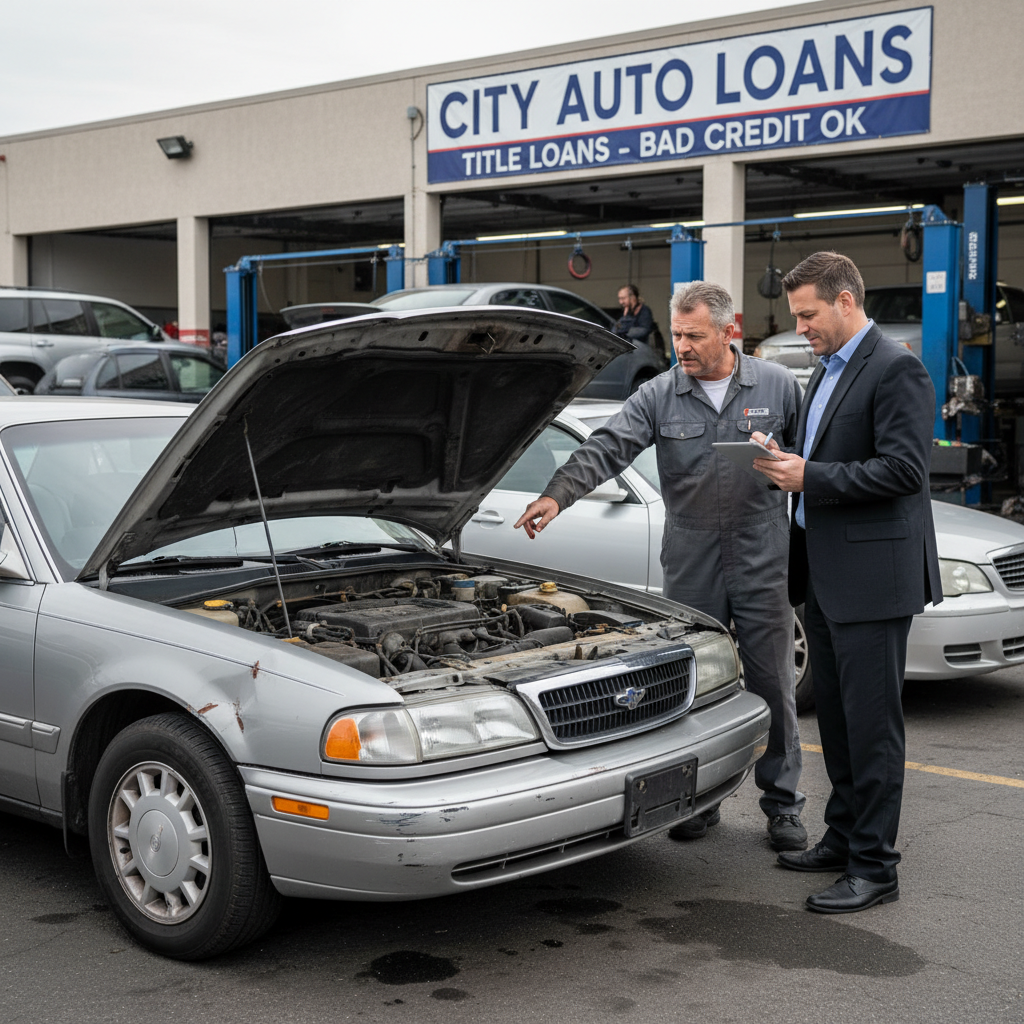
Title loans are a type of secured loan where the borrower uses their vehicle title as collateral. This means that if you default on the loan, the lender has the right to take possession of your car. The amount you can borrow is typically based on the market value of the vehicle rather than its actual condition. For example, if your car has a fair market value of $10,000, you might be eligible for a loan amount between $3,000 and $7,500, depending on the lender’s policies. This flexibility can be beneficial for those with damaged vehicles, as lenders may still recognize the underlying value of the asset.
Evaluating Your Car’s Condition
Before applying for a title loan, it’s essential to assess the extent of the damage to your vehicle. Damage can be categorized into two main types: cosmetic and functional. Cosmetic damage includes issues like dents, scratches, or worn paint, while functional damage refers to problems affecting the car’s performance, such as engine issues or transmission problems. Lenders are often more lenient with cosmetic damage, as it does not typically impact the vehicle’s ability to run. However, functional issues may lead lenders to either reduce the loan amount or deny the application altogether.
In many cases, lenders will require an inspection of your vehicle to determine its current market value accurately. This inspection may involve assessing both the interior and exterior condition, as well as any mechanical issues. It’s advisable to have all relevant maintenance records available, as they can help demonstrate the overall care and value of the vehicle.
Lender Requirements
Title loan requirements can vary significantly from one lender to another, particularly regarding damaged vehicles. Some lenders may have strict policies, insisting that the car must be in good running condition to qualify for a loan. In contrast, others may be more accommodating, willing to finance a vehicle that has suffered minor cosmetic damage. To find the right lender, it’s crucial to do thorough research and compare options.
For example, some online lenders specialize in title loans for damaged vehicles and may provide a more streamlined process, while traditional banks and credit unions might have stricter guidelines. Ensure you read the fine print and understand the lender’s requirements before applying, as this can save you time and potential disappointment.
The Impact of Damage on Loan Amount
The extent of your vehicle’s damage can significantly impact the amount you can borrow. If your car has substantial damage, lenders may lower the loan amount based on their assessment of the vehicle’s diminished value. For instance, if a vehicle valued at $10,000 is found to have severe engine problems, a lender might only offer a loan of $2,000 to $4,000, reflecting the costs of repairs and the risk associated with lending on a damaged asset.
Conversely, if your car has only minor cosmetic damage, you may still qualify for a loan amount close to its market value. However, lenders may offset this by charging higher interest rates or offering less favorable terms. It’s crucial to weigh these factors carefully and consider how they align with your financial situation.
Alternatives to Title Loans
If your car is too damaged to qualify for a title loan, or if the terms offered by lenders are not favorable, it may be worth exploring alternative loan options. Personal loans are one possibility, especially those from credit unions or community banks, which often come with lower interest rates and more flexible repayment terms. These institutions may be more willing to work with individuals who have unique circumstances, such as damaged vehicles.
Another option is to consider peer-to-peer lending platforms, which connect borrowers with individual investors. These platforms often evaluate your creditworthiness based on more than just your vehicle’s condition, potentially allowing you to secure a loan based on your overall financial profile. Additionally, if you can afford to repair your car, investing in repairs may not only increase your chances of qualifying for a title loan in the future but also enhance the vehicle’s resale value.
Tips for Getting Approved
When applying for a title loan with a damaged car, preparation is key. Start by gathering all necessary documentation, including proof of income, a valid identification card, and the vehicle title. Having comprehensive repair records can also strengthen your application. Being transparent about the damage to your car is essential; lenders appreciate honesty and may be more inclined to work with you if they understand the extent and nature of the issues.
Furthermore, consider improving your credit score before applying. A higher credit score can lead to better loan terms, even if your vehicle is damaged. If possible, pay down existing debts and ensure your credit report is accurate. This proactive approach can make a significant difference in your approval chances.
What to Do If Denied
If your application for a title loan is denied, it’s vital to understand the reasons behind the decision. Reviewing your credit report can provide insight into any negative factors affecting your application. If the denial was due to the car’s condition, consider investing in repairs to make the vehicle more appealing to lenders.
Additionally, you can reach out to the lender for a detailed explanation of the denial, which can provide valuable information for future applications. If repairing the car is not feasible, consider other financing options that may be less reliant on the vehicle’s condition. It’s essential to remain proactive and explore all avenues available to secure the funds you need.
Getting a title loan with a damaged car is possible, but it requires a thorough understanding of lender policies and the implications of your car’s condition. By evaluating your vehicle’s status, researching lender options, and preparing for the application process, you can increase your chances of securing a title loan. If you encounter challenges, consider alternative financing solutions and invest in repairing your vehicle to enhance future loan opportunities.
Frequently Asked Questions
Can you get a title loan with a damaged car?
Yes, you can still get a title loan with a damaged car, but the loan amount may be affected by the vehicle’s condition. Lenders typically assess the car’s value based on its current state, which means significant damage could lead to a lower loan offer. It’s essential to check with various lenders, as their policies and valuations can vary greatly.
What are the requirements for obtaining a title loan on a damaged vehicle?
To obtain a title loan on a damaged vehicle, you generally need to provide proof of ownership, a valid ID, and the car’s title. Some lenders may also require an inspection to determine the vehicle’s condition and current market value. Having a reliable income source can also enhance your chances of approval, even with a damaged car.
How does the damage affect the title loan amount I can receive?
The extent of the damage to your vehicle directly impacts the title loan amount you can receive. Lenders will evaluate the car’s current market value, considering factors such as the type and severity of damage, which may lead to a lower loan offer than if the car were in excellent condition. Understanding your vehicle’s worth through resources like Kelley Blue Book can help you negotiate better terms.
Why would a lender approve a title loan on a damaged car?
Lenders may approve a title loan on a damaged car because they are primarily concerned with the vehicle’s resale value as collateral. If the car still has a reasonable market value, even with damage, lenders may see it as a viable option for securing the loan. Additionally, title loans are often short-term, which can make them attractive to lenders willing to take on some risk.
What should I consider before applying for a title loan on a damaged car?
Before applying for a title loan on a damaged car, consider the total cost of the loan, including interest rates and fees, as these can be significantly higher for risky loans. Evaluate your ability to repay the loan on time to avoid repossession, especially if your vehicle is already damaged. It may also be wise to explore alternative financing options or repair your car before applying to potentially increase your loan amount.
References
- https://www.consumerfinance.gov/about-us/blog/what-you-should-know-about-title-loans/
- https://www.nolo.com/legal-encyclopedia/title-loans-what-you-need-know-29967.html
- https://www.ftc.gov/news-events/media-resources/protecting-consumers/title-loans
- https://www.bankrate.com/loans/personal-loans/title-loans/
- https://www.investopedia.com/articles/personal-finance/061515/what-title-loan.asp
- https://www.nerdwallet.com/article/loans/title-loans-explained
- https://www.thebalance.com/title-loans-4171469
- https://www.ed.gov/parents/landing.jhtml
- ConsumerReports.org – Page not found error – Consumer Reports