

Yes, you can get a loan to build a shop, and there are several financing options available to help bring your vision to life. Whether you’re looking to establish a brick-and-mortar retail space or a workshop for your craft, understanding the types of loans, eligibility requirements, and application process can significantly impact your success. This article will guide you through various loan options, prerequisites for obtaining them, and essential tips to enhance your application.
Types of Loans for Building a Shop
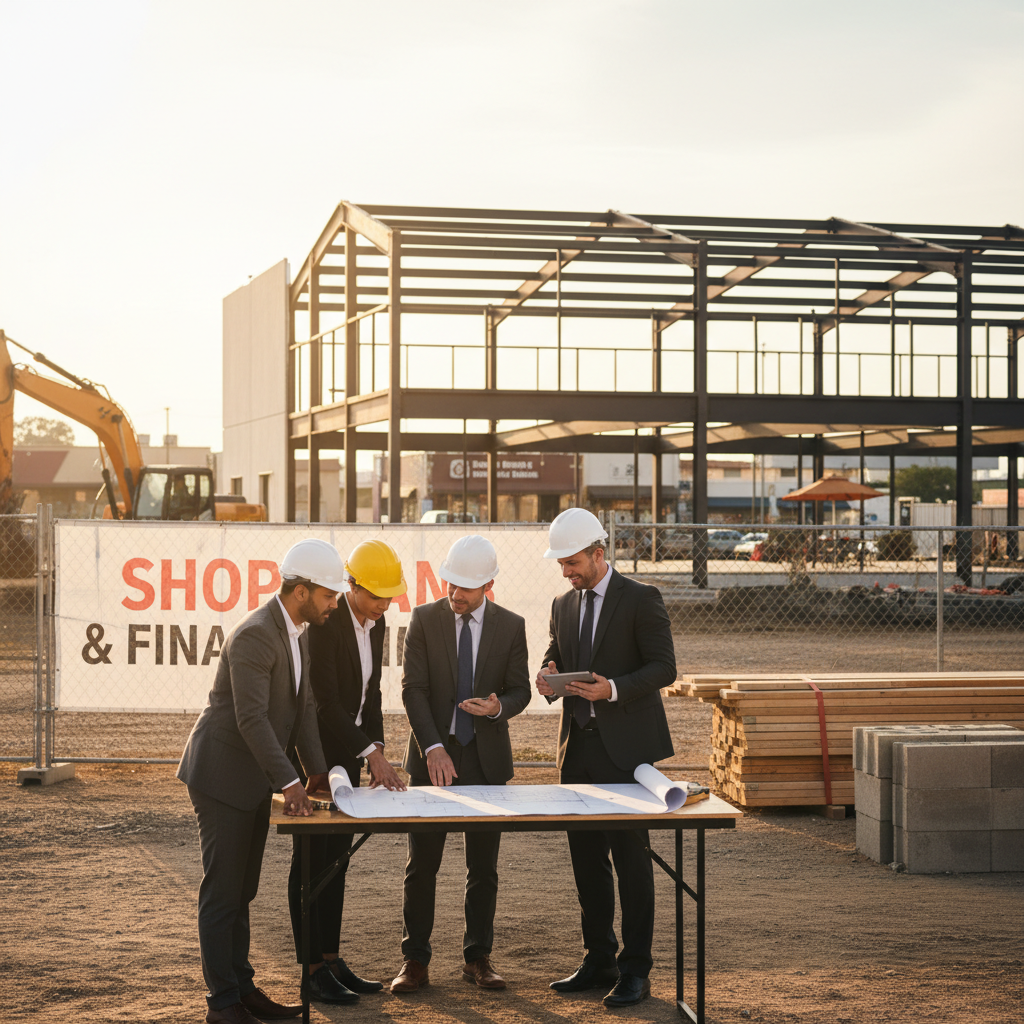
When it comes to financing the construction of a shop, there are primarily two types of loans to consider: commercial real estate loans and Small Business Administration (SBA) loans.
– Commercial Real Estate Loans: These loans are specifically tailored for businesses looking to purchase or construct properties for commercial use. They typically offer higher loan amounts and favorable terms for established businesses. For instance, if you plan to build a retail store or a production facility, a commercial real estate loan can provide the necessary capital. Lenders often assess the value of the property and your business’s revenue potential before approving the loan.
– Small Business Administration (SBA) Loans: The SBA offers various loan programs to support small business owners. One popular option is the SBA 7(a) loan, which can be used for purchasing land, building a shop, or making renovations. These loans are partially guaranteed by the government, allowing lenders to offer more favorable terms, such as lower interest rates and longer repayment periods. For example, an SBA loan may allow you to secure funding with as little as 10% down payment, making it an attractive option for new entrepreneurs.
Eligibility Requirements
Before applying for a loan to build your shop, it’s essential to understand the eligibility requirements set by lenders.
– Credit Score: Most lenders require a good credit score, usually above 650, to qualify for a loan. A higher credit score not only increases your chances of approval but can also lead to better interest rates. If your credit score is below this threshold, consider taking steps to improve it—such as paying off outstanding debts and ensuring timely payments on existing loans—before applying.
– Business Plan: A well-structured business plan is crucial for demonstrating the viability of your shop. It should outline your business model, target market, competitive analysis, marketing strategy, and financial projections. A strong business plan can help persuade lenders that your shop will generate sufficient revenue to repay the loan. For instance, if your shop will cater to a niche market, include data and analysis that demonstrate the demand and potential profitability.
Loan Amounts and Terms
Understanding the potential loan amounts and repayment terms is vital in planning your shop’s construction.
– Loan Amounts: Depending on the lender and your financial situation, loan amounts can range significantly—from as little as $50,000 to several million dollars. For example, if you are building a small local coffee shop, you might need around $150,000 for construction and equipment, while a larger retail outlet could require upwards of $500,000. It’s essential to assess your budget carefully and determine how much funding you will actually need to avoid taking on unnecessary debt.
– Repayment Terms: Loan terms can vary widely, typically ranging from 5 to 25 years. Shorter terms may come with higher monthly payments but less interest over time, while longer terms can make monthly payments more manageable. Consider your cash flow and business growth projections to select a repayment plan that aligns with your financial goals. For instance, a new shop may benefit from a longer repayment term to keep initial monthly expenses lower as you establish your customer base.
Preparing Your Application
A well-prepared loan application can significantly improve your chances of approval.
– Financial Documentation: Lenders will require comprehensive financial documentation, such as personal and business tax returns, income statements, and balance sheets. It’s advisable to organize these documents ahead of time to ensure your application is complete and professional. Additionally, providing a clear financial history can help establish your credibility as a borrower.
– Construction Plans: Alongside financial documents, presenting detailed construction plans and cost estimates is crucial. This should include architectural drawings, contractor estimates, and timelines for the project. Demonstrating a clear plan can reassure lenders of your project’s viability and show that you have thoroughly researched the construction process.
Tips for a Successful Loan Application
Navigating the loan application process can be complex, but there are strategies you can employ to enhance your chances of success.
– Improve Your Credit Score: Before applying, take proactive steps to boost your credit rating. This can include paying down existing debts, correcting any errors on your credit report, and ensuring that all bills are paid on time. A higher credit score can lead to better loan terms and more favorable interest rates.
– Seek Professional Help: Consider consulting with a financial advisor or a loan broker who specializes in small business financing. These professionals can provide valuable insights and help you navigate the application process. They can also assist in identifying the best loan products tailored to your business needs.
Common Mistakes to Avoid
While applying for a loan, it’s easy to make mistakes that could jeopardize your chances of approval.
– Underestimating Costs: One of the most common pitfalls is failing to account for all construction-related expenses. Make sure your budget includes not only direct costs like materials and labor but also permits, utilities, insurance, and unforeseen expenses. A well-rounded budget will demonstrate to lenders that you are prepared for the financial commitment of building a shop.
– Neglecting to Shop Around: It’s crucial to compare multiple lenders and their loan offers. Different lenders have varying requirements, interest rates, and fees. By shopping around, you can find the best rates and terms for your situation, potentially saving thousands over the life of the loan.
Building a shop can be a rewarding venture, and securing the right loan is a crucial step in making it happen. By understanding your options and preparing thoroughly, you can increase your chances of obtaining financing and successfully launching your business. Take the time to research your options, ensure your application is comprehensive, and start your journey to building your shop today.
Frequently Asked Questions
Can I get a loan to build a shop, and what types of loans are available?
Yes, you can obtain a loan to build a shop, and there are several types of loans available for this purpose. Common options include commercial real estate loans, SBA 7(a) loans, and construction loans. Each of these loans has specific requirements and terms, so it’s essential to evaluate your business needs and financial situation to choose the best option.
What are the eligibility requirements for getting a loan to build a shop?
Eligibility requirements for a loan to build a shop typically include having a solid business plan, a good credit score, sufficient collateral, and proof of income or revenue projections. Lenders may also require personal guarantees from the business owners. It’s crucial to prepare your financial documents and a detailed project plan to improve your chances of approval.
How do I choose the best lender for a shop construction loan?
To choose the best lender for a shop construction loan, consider factors such as interest rates, repayment terms, fees, and customer service. Research various lenders, including traditional banks, credit unions, and online lenders, and compare their offerings. Additionally, reading customer reviews and seeking recommendations from fellow business owners can help you find a lender that meets your specific needs.
Why is my credit score important when applying for a loan to build a shop?
Your credit score is crucial when applying for a loan to build a shop because it reflects your creditworthiness and ability to repay debts. A higher credit score can lead to better loan terms, including lower interest rates and higher borrowing limits. Lenders use credit scores to assess the risk associated with lending to you, so it’s advisable to check your score and improve it if necessary before applying for a loan.
What costs should I consider when applying for a loan to build a shop?
When applying for a loan to build a shop, consider various costs beyond just construction expenses. These may include land acquisition costs, permits and licenses, design and architectural fees, utilities installation, and insurance. Additionally, factor in ongoing expenses such as property taxes and maintenance, as understanding the full scope of costs can help you secure an adequate loan amount and ensure financial sustainability for your shop.
References
- https://www.sba.gov/article/2020/mar/30/how-get-small-business-loan
- https://www.nerdwallet.com/article/small-business/business-loans-guide
- https://www.score.org/resource/business-loans-and-financing-options
- https://www.investopedia.com/terms/b/business-loan.asp
- https://www.cnbc.com/2021/03/10/how-to-get-a-small-business-loan.html
- Farm Loan Programs | Farm Service Agency
- https://www.irs.gov/businesses/small-businesses-self-employed/small-business-loans
- Client Challenge