

Yes, you can secure a construction loan for a home addition, but it requires careful consideration of various factors and adherence to specific requirements. These loans can help finance your project from conception to completion, enabling you to enhance your living space. In this article, we’ll delve into crucial aspects of obtaining a construction loan for your addition, including the types of loans available, qualification criteria, the application process, associated costs, and tips for successful approval.
Understanding Construction Loans
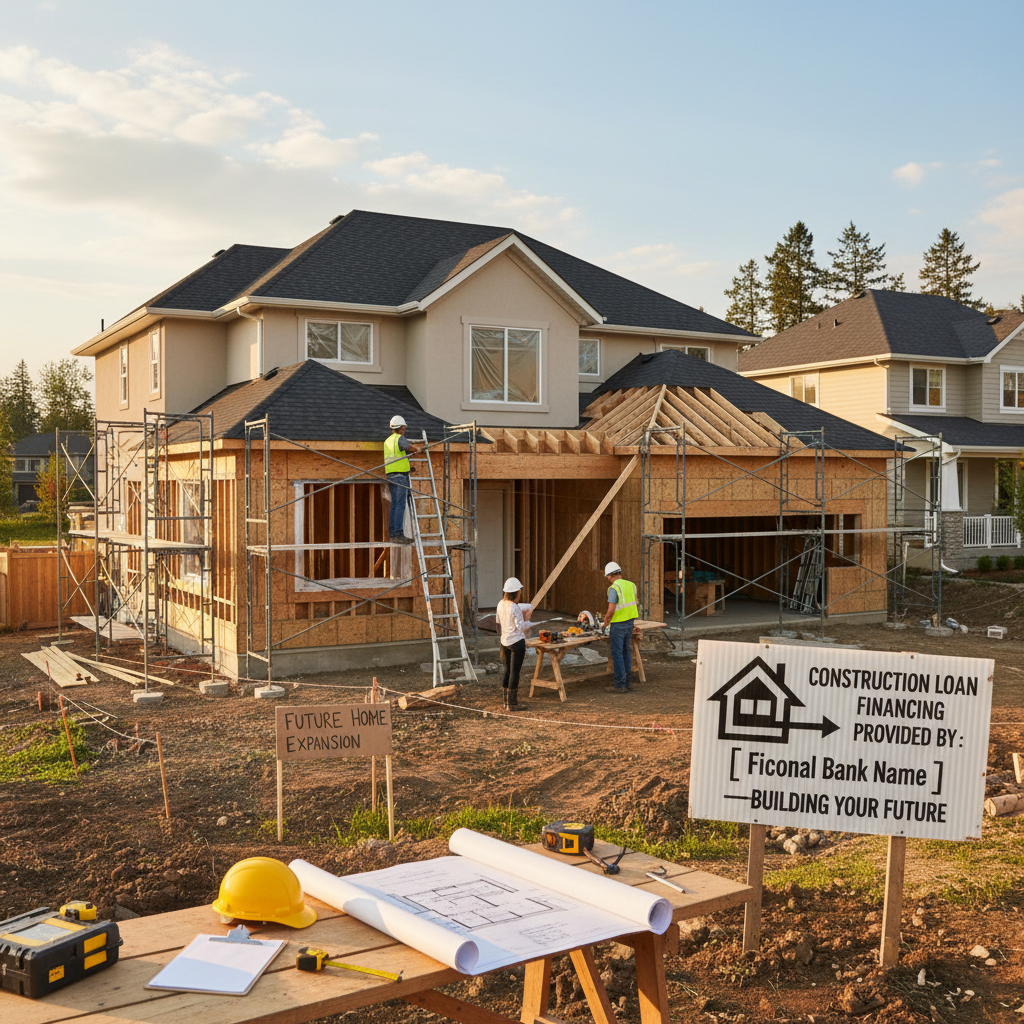
Construction loans are short-term, high-interest loans specifically designed to fund building projects. Unlike traditional mortgages, which primarily finance the purchase of an existing property, construction loans are intended to cover the costs associated with constructing a new structure or making significant renovations, such as home additions. These loans typically cover expenses for materials, labor, and permits during the construction phase, providing homeowners with the necessary funds to bring their visions to life.
Because construction loans are riskier for lenders due to the uncertainties involved in building projects, they usually come with higher interest rates compared to conventional mortgages. They also have a shorter repayment period, often ranging from six months to two years, which is why it’s crucial for homeowners to have a clear plan and timeline for their additions.
Types of Construction Loans
When considering a construction loan for an addition, it is essential to understand the two primary types available:
– Construction-to-Permanent Loans: These loans are designed to convert into a permanent mortgage once the construction is complete. This mechanism simplifies the financing process by allowing homeowners to secure the funds they need for construction and transition seamlessly to a long-term mortgage. The benefit of this approach is that it often comes with a lower interest rate compared to stand-alone loans since the lender is assured of a permanent mortgage post-construction.
– Stand-Alone Construction Loans: In contrast, stand-alone construction loans must be paid off or refinanced upon the project’s completion. This means homeowners will need to secure separate financing for the permanent mortgage, which can introduce additional costs and complexities. While this type of loan can provide flexibility during the construction phase, it may lead to higher costs and separate application processes for the permanent financing.
Understanding the distinctions between these two loan types is vital for homeowners to make informed decisions that align with their financial situations and project goals.
Qualification Requirements
To secure a construction loan for an addition, borrowers must meet several qualification criteria set by lenders. Generally, the following requirements are essential:
– Detailed Project Plans and Cost Estimates: Lenders will require comprehensive plans that outline the scope of the project. This includes blueprints and detailed cost estimates for materials, labor, and other associated expenses. Having a reputable contractor involved can help provide accurate estimates, which can strengthen your application.
– Credit Score and Financial Stability: A good credit score is crucial, as lenders assess your creditworthiness to determine your ability to repay the loan. While requirements can vary, a score of 680 or higher is often preferred. Additionally, lenders will evaluate your income, employment history, and existing debts to ensure you have the financial stability necessary to handle the loan payments.
– Down Payment: Many lenders require a down payment for construction loans, which can range from 10% to 20% of the total loan amount. Having a substantial down payment not only shows the lender your commitment to the project but also reduces the overall loan amount, potentially lowering your monthly payments.
The Application Process
Navigating the application process for a construction loan requires thorough preparation. Here are the steps to follow:
1. Gather Necessary Documents: Begin by compiling essential documents, including proof of income (pay stubs, tax returns), credit history, and detailed project plans. Having these documents ready will streamline the application process.
2. Choose a Lender: Research lenders that specialize in construction loans. Compare terms, interest rates, and fees to find the best fit for your needs. It’s advisable to consult with a mortgage broker who can help you navigate your options.
3. Submit Your Application: Once you have selected a lender, submit your application along with the required documentation. Be prepared for a thorough review process, which may include interviews and additional requests for information.
4. Loan Approval and Closing: If approved, the lender will provide a commitment letter detailing the loan amount, terms, and conditions. After reviewing these terms, you will proceed to closing, where you will finalize the loan agreement and receive the funds to begin your project.
Costs Involved
When planning for a construction loan, it is crucial to budget for various costs beyond just the loan principal. These include:
– Closing Costs: Similar to traditional mortgages, construction loans incur closing costs, which can range from 2% to 5% of the loan amount. This may include fees for processing, underwriting, and title insurance.
– Appraisal Fees: Lenders often require an appraisal to assess the value of the property and ensure the loan amount is justified. This fee can vary based on the size and complexity of the project.
– Interest Rates: Expect to pay higher interest rates on construction loans than conventional mortgages due to the associated risks. It’s prudent to shop around for competitive rates and terms.
– Contingency Budget: Construction projects frequently encounter unexpected expenses, so it is wise to allocate a contingency budget—typically 10% to 20% of the total project cost—to cover these unforeseen events. This will help avoid financial strain during the project.
Tips for Getting Approved
Securing approval for a construction loan can be competitive, but the following tips can enhance your chances:
– Work with Reputable Contractors: Collaborating with experienced contractors who can provide accurate estimates and timelines will strengthen your application and provide lenders with confidence in your project’s feasibility.
– Maintain a Good Credit Score: Prior to applying, check your credit score and address any issues that may negatively impact your application. Keeping your debt-to-income ratio low and paying bills on time will help maintain a strong financial profile.
– Organize Financial Documents: Ensure all financial documents are up to date and well-organized. This includes bank statements, tax returns, and proof of assets. A well-prepared application demonstrates professionalism and preparedness to lenders.
– Seek Professional Guidance: Consider consulting with a financial advisor or mortgage broker who specializes in construction loans. Their expertise can help you navigate the complexities of the loan process and identify the best options for your circumstances.
Securing a construction loan for an addition can be a pivotal step in enhancing your home and increasing its value. By understanding the types of loans available, adhering to qualification criteria, and navigating the application process strategically, you can successfully fund your project.
In conclusion, it is essential to be well-informed and prepared when seeking a construction loan for your home addition. By following the outlined steps and considering the tips provided, you can improve your chances of approval and embark on your home improvement journey with confidence. Whether you’re looking to expand your living space or increase your property value, a construction loan can be a valuable resource to achieve your goals.
Frequently Asked Questions
Can you get a construction loan for a home addition?
Yes, you can secure a construction loan specifically for a home addition. These loans are designed to finance the cost of construction projects, including adding new rooms or expanding existing spaces. Lenders typically require detailed plans, a budget, and a timeline for the completion of the addition, so it’s essential to prepare all necessary documentation to support your application.
What are the requirements for obtaining a construction loan for an addition?
To qualify for a construction loan for a home addition, you’ll generally need a good credit score, a steady income, and sufficient equity in your home. Lenders will also assess the plans for the addition, the estimated costs, and your overall financial situation. It’s advisable to have a contractor’s estimate and architectural plans ready to present during the application process.
How does a construction loan for an addition differ from a traditional mortgage?
A construction loan for an addition is a short-term loan specifically aimed at funding the construction process, while a traditional mortgage is a long-term loan for purchasing a home. Construction loans usually have higher interest rates and require you to pay interest only during the construction phase, converting to a conventional mortgage once the project is completed. This type of financing is tailored for immediate construction costs rather than an overall home purchase.
Why should I consider a construction loan for my home addition instead of personal loans or credit cards?
A construction loan is often a better option for financing a home addition compared to personal loans or credit cards due to potentially lower interest rates and higher borrowing limits. Personal loans and credit cards can carry high-interest rates, making them costlier for large projects. Additionally, construction loans offer structured payment schedules aligned with the construction timeline, which can help manage financial planning more effectively.
What is the best way to find a lender for a construction loan for an addition?
To find the best lender for a construction loan for your home addition, start by researching local banks, credit unions, and specialized lenders who offer construction financing. Compare interest rates, loan terms, and customer reviews to gauge their reliability and service quality. Additionally, consider seeking recommendations from contractors or real estate professionals who may have experience with lenders in your area, as they can provide valuable insights into the process.
References
- https://www.hud.gov/program_offices/healthy_homes/enforcement/affordability
- https://www.bankrate.com/finance/mortgages/construction-loans-what-you-need-to-know.aspx
- Understanding Construction Loans: Definition, Process, and Key Examples
- https://www.nerdwallet.com/article/mortgages/construction-loans-what-to-know
- https://www.thebalance.com/what-is-a-construction-loan-4171462
- https://www.fha.com/fha_loan_types/construction_loan
- https://www.usa.gov/financial-help#item-36886
- https://www.apartmenttherapy.com/how-to-finance-an-addition-367076
- https://www.realtor.com/advice/finance/home-addition-loans/