

Many borrowers are concerned about whether tribal loans can sue them for unpaid debts. The short answer is yes; tribal lenders can take legal action against borrowers, but the process can vary significantly due to tribal sovereignty laws. Understanding the legal framework surrounding tribal loans is essential for anyone considering this form of financing, particularly given the potential for higher interest rates and less consumer protection compared to traditional loans. In this article, we will explore how tribal loans operate, the legal implications associated with them, and the options available to you if faced with a lawsuit.
What Are Tribal Loans?
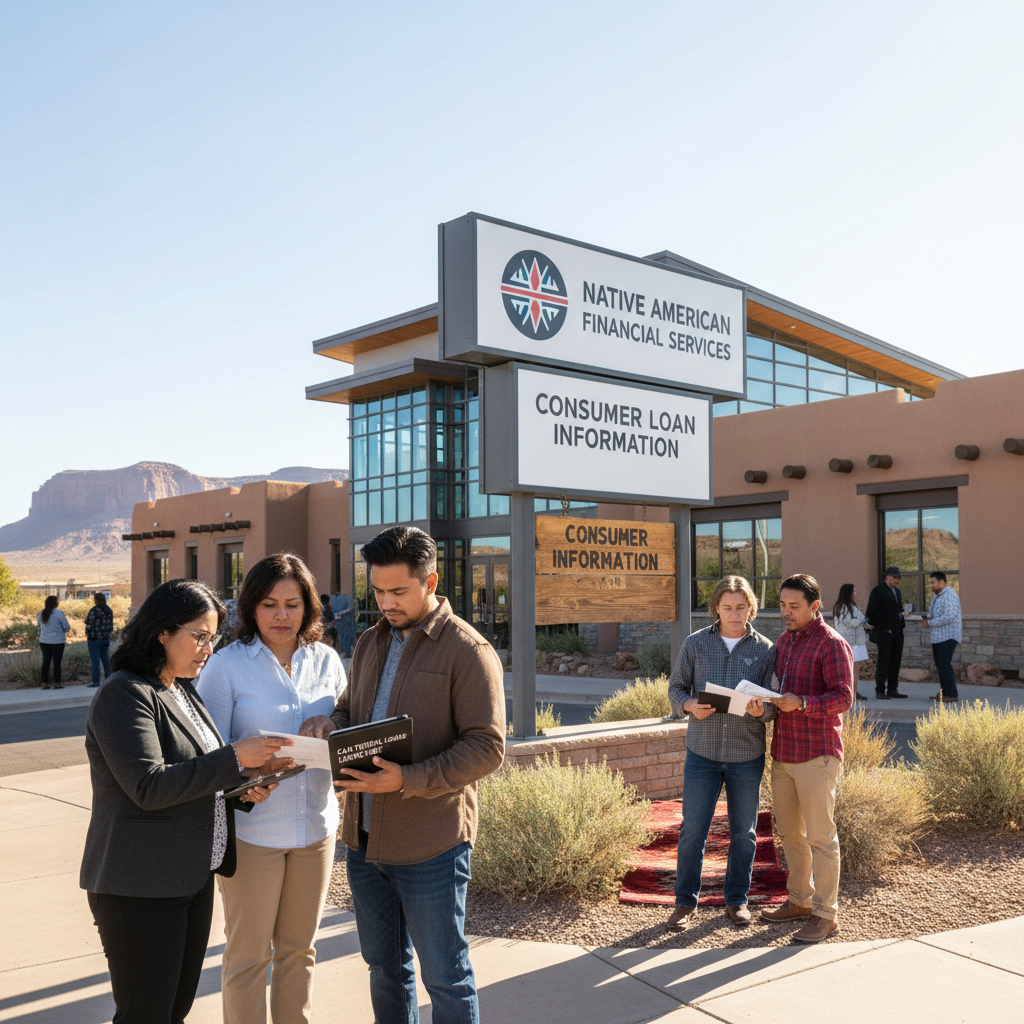
Tribal loans are a type of consumer credit typically offered by Native American tribes, which often operate their own lending institutions. These loans are usually marketed as accessible alternatives for individuals with poor credit histories or those who may not qualify for traditional bank loans. Tribal loans can be enticing due to their quick approval processes and the ability to receive funds swiftly. However, borrowers should be aware that these loans often come with significantly higher interest rates, sometimes exceeding 400%, which can lead to a cycle of debt if not managed carefully.
Tribal loans are commonly utilized for various purposes, including emergency expenses, medical bills, or consolidating debt. However, the ease of access and speed can sometimes overshadow the risks involved, which is why thorough research and consideration are paramount before committing to a tribal loan.
Legal Standing of Tribal Loans
One of the most distinctive aspects of tribal loans is their legal standing. Tribal sovereignty allows Native American tribes to operate independently of state regulations, meaning they are not bound by the same laws that govern traditional lenders. This autonomy extends to their lending practices, which can include imposing their own terms and conditions that may differ significantly from state laws.
For instance, while state laws may limit the amount of interest that can be charged on loans, tribal lenders can set their own rates without adhering to these restrictions. Additionally, tribal lenders may have the authority to enforce arbitration clauses in loan agreements, requiring disputes to be settled outside of traditional court systems. This legal framework can complicate matters for borrowers, particularly if they are unfamiliar with the nuances of tribal lending laws.
Can Tribal Lenders Sue You?
Yes, tribal lenders can sue borrowers in court for non-payment. If a borrower defaults on a tribal loan, the lender has the legal right to pursue collection efforts, including filing lawsuits. Depending on the structure of the lending institution, lawsuits may be filed in tribal courts, which operate under the tribe’s own legal system, or in state courts, particularly if the lender has chosen to register as a business entity subject to state jurisdiction.
It’s important to note that borrowers may face challenges in defending against such lawsuits. The legal complexities of tribal sovereignty and jurisdiction can make it difficult to contest a lawsuit effectively. Therefore, understanding the terms of the loan agreement and the jurisdictional implications is essential for borrowers who find themselves in this situation.
Defending Against a Lawsuit
If you are facing a lawsuit from a tribal lender, there are several potential defenses you might consider. One common argument is lack of jurisdiction. If the loan terms violate state laws or if the lender is not recognized as a legitimate tribal entity, you may have grounds to contest the lawsuit on these bases.
Gathering documentation is critical in building your defense. This includes the original loan agreement, any correspondence with the lender, and records of payments made. Additionally, seeking legal advice from an attorney experienced in both tribal and consumer law can provide you with the necessary guidance to navigate this complex legal landscape. Legal counsel can help assess the merits of your case and develop a strategy tailored to your specific circumstances.
Consumer Protections and Rights
Despite the unique nature of tribal loans, borrowers still retain rights under federal consumer protection laws. The Truth in Lending Act (TILA) mandates transparency in lending practices, requiring lenders to disclose important terms and costs associated with loans. Furthermore, the Fair Debt Collection Practices Act (FDCPA) offers protections against abusive or deceptive practices by debt collectors, including tribal lenders.
Understanding these rights is vital for borrowers, especially when disputes arise. If you believe a tribal lender is violating consumer protection laws, you may file a complaint with the Consumer Financial Protection Bureau (CFPB) or seek legal recourse. Educating yourself about your rights can empower you in negotiations and disputes with tribal lenders.
What to Do If You Default on a Tribal Loan
If you find yourself in a position of defaulting on a tribal loan, the first step is to communicate with your lender. Many tribal lenders may be willing to negotiate terms or establish payment plans to help you manage your debt. Open communication can often lead to favorable outcomes, such as reduced payments or extended repayment terms.
It is also advisable to consult with a financial advisor or legal expert who can help you explore your options. They can assist in evaluating your financial situation and determining the best course of action, whether that means negotiating with the lender, considering debt consolidation, or exploring bankruptcy options if the situation warrants.
Alternatives to Tribal Loans
If you’re seeking financial assistance but want to avoid the pitfalls associated with tribal loans, there are several alternatives to consider. Credit unions and community banks often offer loans with more favorable terms, including lower interest rates and more transparent lending practices. These institutions typically focus on serving local communities and may have programs specifically designed for individuals with poor credit.
Additionally, research grants and assistance programs available in your community that can provide financial relief without the burdensome interest rates associated with tribal loans. Local nonprofits and government agencies may offer resources and support for those in financial distress, helping to alleviate the need for high-interest borrowing.
In summary, tribal loans can indeed pursue legal action against borrowers, leveraging their unique legal standing. Understanding the implications of tribal sovereignty, your rights as a consumer, and the potential defenses you can employ is crucial if you find yourself facing a lawsuit. Proactive communication with lenders and exploring alternative financing options can also help you navigate financial challenges while safeguarding your rights. Always consider consulting with a legal expert to ensure you’re adequately protected and informed about your next steps.
Frequently Asked Questions
Can tribal loans sue you if you fail to repay them?
Yes, tribal lenders can sue you if you default on a tribal loan. While some may claim sovereign immunity, which protects them from lawsuits, this does not apply in all cases. It’s essential to review your loan agreement and understand the terms, as tribal lenders often have different legal protections compared to traditional lenders. If you find yourself in this situation, consulting with a legal professional experienced in tribal lending can provide clarity on your rights and options.
What are tribal loans, and how do they differ from traditional loans?
Tribal loans are offered by lenders that are owned and operated by Native American tribes, often exempt from state laws due to their sovereign status. Unlike traditional loans that adhere to state regulations, tribal loans may have higher interest rates and different repayment terms. Understanding these differences is crucial, especially since tribal loans can lead to significant financial strain if not managed properly.
How can I protect myself from being sued by a tribal lender?
To protect yourself from potential lawsuits by a tribal lender, it’s vital to read the loan agreement thoroughly before signing. Make sure you understand all fees, interest rates, and repayment terms. Additionally, if you’re facing financial difficulties, proactively communicating with the lender might help negotiate more manageable terms or a payment plan, potentially preventing legal action.
Why do tribal loans have such high interest rates, and is it legal?
Tribal loans often have high interest rates due to the lack of state regulation, which can allow lenders to charge rates that would be illegal in many states. Although this practice is legal under tribal sovereignty, it can lead to a cycle of debt for borrowers. It’s essential to weigh the risks and consider alternative borrowing options with more favorable terms to avoid falling into financial distress.
Which states have laws that affect tribal loan lawsuits?
The impact of state laws on tribal loan lawsuits varies significantly. Some states have enacted laws that limit the ability of tribal lenders to operate or enforce their loans, while others fully recognize their sovereign immunity. States like New York and California have stricter regulations on high-interest lenders, which may influence how tribal loans are treated in legal scenarios. Always check your state’s laws and consult with a legal expert if you’re involved in a dispute with a tribal lender.
References
- https://www.consumerfinance.gov/about-us/blog/tribal-lending-and-consumer-protection/
- Policy Research
- https://www.ftc.gov/news-events/media-resources/consumer-finance/tribal-lending
- https://www.law.cornell.edu/wex/tribal_sovereignty
- https://www.brookings.edu/research/tribal-lending-issues-and-options-for-consumer-protection/
- https://www.consumerfinance.gov/ask-cfpb/what-is-tribal-lending-en-1705/
- Tax Planning