

Yes, you can use an FHA loan to build a house, specifically through the FHA’s 203(k) loan program or a construction-to-permanent loan option. These financing solutions allow you to cover both the cost of land and construction, making homeownership accessible for first-time buyers and those with limited credit history. In this article, we will delve into how FHA loans can be utilized for building a house, their requirements, and key considerations to keep in mind during the process.
Understanding FHA Loans
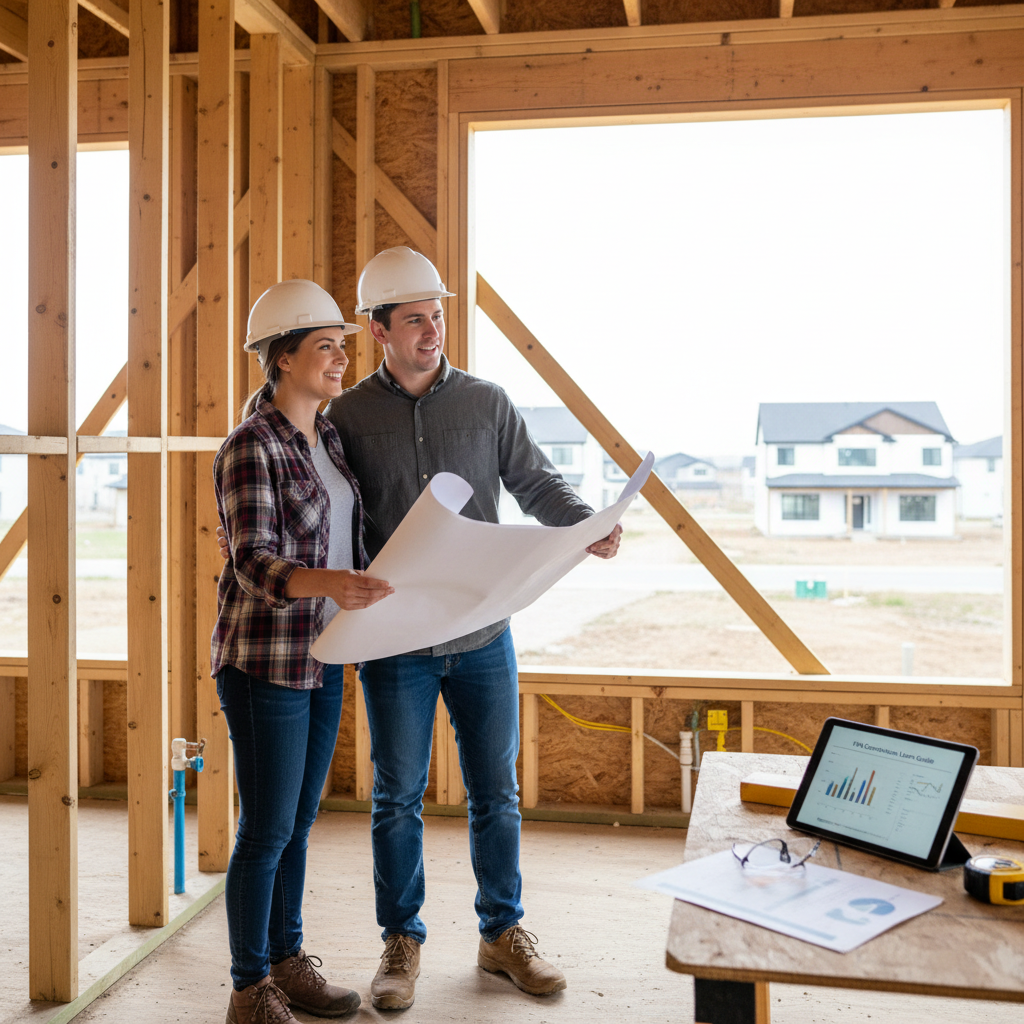
FHA loans are government-backed mortgages designed to assist low-to-moderate income borrowers in achieving homeownership. Unlike conventional loans, FHA loans typically require lower down payments—often as low as 3.5%—and have more flexible credit score requirements. This makes them an appealing option for first-time homebuyers or individuals who may not have a robust credit history. Furthermore, FHA loans are insured by the Federal Housing Administration, which reduces the risk for lenders and allows them to offer more favorable terms to borrowers.
The appeal of FHA loans extends beyond just lower down payments. They also allow for higher debt-to-income ratios, which can be particularly beneficial for those managing student loans or other debts. Additionally, FHA loans can be used for a variety of property types, including single-family homes, multi-family units, and even certain types of condos, broadening the options available to potential homeowners.
FHA 203(k) Loan Overview
The FHA 203(k) loan is a unique program that allows borrowers to finance both the purchase of a home and its renovation with a single mortgage. This loan option is particularly advantageous for individuals looking to buy a distressed property that requires significant repairs or updates. Under the 203(k) program, homeowners can access funds for a wide range of renovation projects—from minor cosmetic updates like painting and flooring to more extensive structural changes such as adding a room or repairing the foundation.
There are two types of 203(k) loans: the Standard 203(k) and the Limited 203(k). The Standard option is designed for more extensive renovations that exceed $35,000, while the Limited option is suitable for smaller projects. Importantly, both loans allow borrowers to roll renovation costs into their mortgage, which can simplify budgeting and financing.
When considering an FHA 203(k) loan, it’s essential to work with a lender who understands the specifics of this program. They can guide you through the process and help identify qualified contractors to ensure that your renovation project aligns with FHA guidelines.
Construction-to-Permanent Loans
Construction-to-permanent loans serve as another viable option for financing the building of a new home. These loans allow borrowers to cover the costs of constructing a new residence and then convert that loan into a permanent mortgage once the home is completed. This option is especially beneficial because it streamlines the financing process, eliminating the need for separate loans for construction and permanent financing.
Typically, construction-to-permanent loans require a detailed construction plan, including blueprints and timelines, to ensure that the project adheres to local building codes. Lenders often require inspections at various stages of construction to disburse funds, ensuring that the work is progressing according to plan. Additionally, borrowers can lock in their interest rates during the construction phase, potentially saving money over the life of the loan.
Opting for a construction-to-permanent loan provides a sense of stability and predictability, as borrowers can plan for monthly payments and avoid the financial strain of juggling multiple loans.
Eligibility Requirements
To qualify for an FHA loan, including the 203(k) and construction-to-permanent options, borrowers must meet specific eligibility criteria. Generally, a minimum credit score of 580 is required to qualify for the lowest down payment of 3.5%. However, borrowers with scores between 500 and 579 may still qualify, albeit with a higher down payment requirement of 10%.
Additionally, FHA guidelines stipulate that the borrower’s debt-to-income ratio should not exceed 43%. This means that your total monthly debt payments, including the mortgage, should ideally be less than 43% of your gross monthly income. Lenders will also assess your employment history and financial stability to ensure that you can manage the mortgage payments effectively.
Another critical requirement is that the property being financed must meet FHA standards. This includes safety, security, and livability criteria, ensuring that the home is in good condition and suitable for habitation. Working with a knowledgeable lender can help clarify these requirements and streamline the application process.
Pros and Cons of Using FHA Loans for Building
Using FHA loans for building a house comes with its advantages and disadvantages.
Pros:
– Lower Down Payments: FHA loans require significantly lower down payments compared to conventional loans, making homeownership more attainable for many buyers.
– Bundled Costs: The ability to finance both the purchase and construction costs in one loan can simplify budgeting and reduce the overall financial burden during the building process.
– Flexible Credit Standards: FHA loans are more forgiving when it comes to credit scores, allowing individuals with less-than-perfect credit to qualify for financing.
Cons:
– Additional Fees: FHA loans often come with mortgage insurance premiums, which can add to the overall cost of borrowing.
– Complex Process: The application and approval process for FHA loans, especially for construction projects, can be more intricate than traditional home buying, requiring detailed documentation and inspections.
– Limitations on Property Types: Not all properties are eligible for FHA financing, which may limit options for those looking to build on certain types of land.
Understanding these pros and cons can help borrowers make informed decisions when considering an FHA loan for building their dream home.
The Application Process
The application process for FHA loans, including those for building a house, involves several key steps. First, it’s essential to gather all necessary documentation, such as proof of income, employment history, and credit reports. This preparation will streamline the application process and help you present a strong case to potential lenders.
Next, it’s advisable to work with a lender who specializes in FHA loans. Their expertise can guide you through the complexities of the application process, including determining eligibility and understanding the specific requirements for the loan type you are pursuing. During this phase, your lender will evaluate your financial situation and provide you with a pre-approval letter, which can enhance your credibility as a borrower.
Once you have identified a suitable property or land for construction, your lender will require a detailed construction plan and cost estimates from qualified contractors. This documentation will be crucial for the loan approval process, as it demonstrates that you have a clear vision and budget for your building project.
Important Considerations
When utilizing an FHA loan to build a house, there are several important considerations to keep in mind. One of the primary factors is the timeline for construction. Projects can often take longer than anticipated due to various factors such as weather delays, permitting issues, or contractor availability. As such, it’s crucial to build some flexibility into your timeline to accommodate potential setbacks.
Additionally, selecting a reliable contractor is vital to the success of your project. Research potential contractors thoroughly, check references, and ensure they are licensed and insured. A trustworthy contractor can help keep your project on schedule and within budget.
Budgeting is another critical aspect of the building process. Create a comprehensive budget that includes not only construction costs but also permits, inspections, and any unforeseen expenses that may arise. This proactive approach can help you avoid financial pitfalls and ensure that your project remains financially viable.
Finally, stay informed about local building codes and regulations, as these can vary significantly by location. Ensuring compliance with these guidelines will not only help avoid fines and delays but also ensure that your home is safe and up to code.
By utilizing an FHA loan to build a house, you can turn your vision of homeownership into reality, especially if you meet the eligibility criteria. Understanding the different loan options available, along with their requirements and processes, will help you navigate your journey toward building your new home. If you’re ready to take the next step, consider reaching out to a qualified lender to explore your FHA loan options. With careful planning and informed decision-making, you can successfully build the home of your dreams.
Frequently Asked Questions
Can I use an FHA loan to build a house?
Yes, you can use an FHA loan to build a house, specifically through an FHA One-Time Close construction loan. This type of loan allows borrowers to finance both the land purchase and construction costs in one mortgage, simplifying the process. It’s essential to work with an FHA-approved lender who understands the requirements and can guide you through the application process.
What are the requirements for using an FHA loan to build a home?
To qualify for an FHA loan for building a home, you must meet standard FHA eligibility criteria, including a minimum credit score of 580 (or as low as 500 with a larger down payment), a debt-to-income ratio of 43% or less, and a down payment of at least 3.5%. Additionally, the construction plans must adhere to FHA standards, and the builder must be a licensed contractor approved by the FHA.
How does the FHA One-Time Close construction loan work?
The FHA One-Time Close construction loan combines the construction loan and permanent mortgage into one loan, making it easier for borrowers. After the construction is completed, the loan automatically converts to a permanent mortgage without the need for a second closing. This streamlining saves time and money on closing costs, enhancing the overall affordability of building a new home.
Why should I consider using an FHA loan for building instead of other loan types?
Using an FHA loan to build a house can be advantageous due to its lower down payment requirements and more flexible credit score criteria compared to conventional loans. Additionally, FHA loans often come with competitive interest rates, making them an attractive option for first-time homebuyers or those with limited savings. This financial accessibility helps many individuals achieve their dream of homeownership through new construction.
Which costs can I cover with an FHA loan when building a house?
An FHA loan for building a house can cover various costs, including the purchase of the land, construction materials, labor, and certain closing costs. It can also finance additional expenses such as permits and inspections, as long as they fall within the approved loan amount. By understanding these covered costs, you can better budget for your new construction project.
References
- https://www.hud.gov/program_offices/housing/sfh/ins/fha0800
- https://www.fha.com/fha_loan_application
- https://www.nerdwallet.com/article/mortgages/fha-loan-building-new-home
- https://www.investopedia.com/terms/f/fha-loan.asp
- When can I remove private mortgage insurance (PMI) from my loan? | Consumer Financial Protection …