

Boat insurance in Minnesota typically ranges from $200 to $500 annually, depending on factors like the type of boat, coverage levels, and your boating experience. Understanding these variables is essential for boat owners in Minnesota, where recreational boating is a popular pastime. In this article, you will learn about the various factors influencing insurance rates, the types of coverage available, and tips for finding the best policy for your needs, ensuring that you are well-equipped to protect your investment on the water.
Factors Influencing Boat Insurance Rates
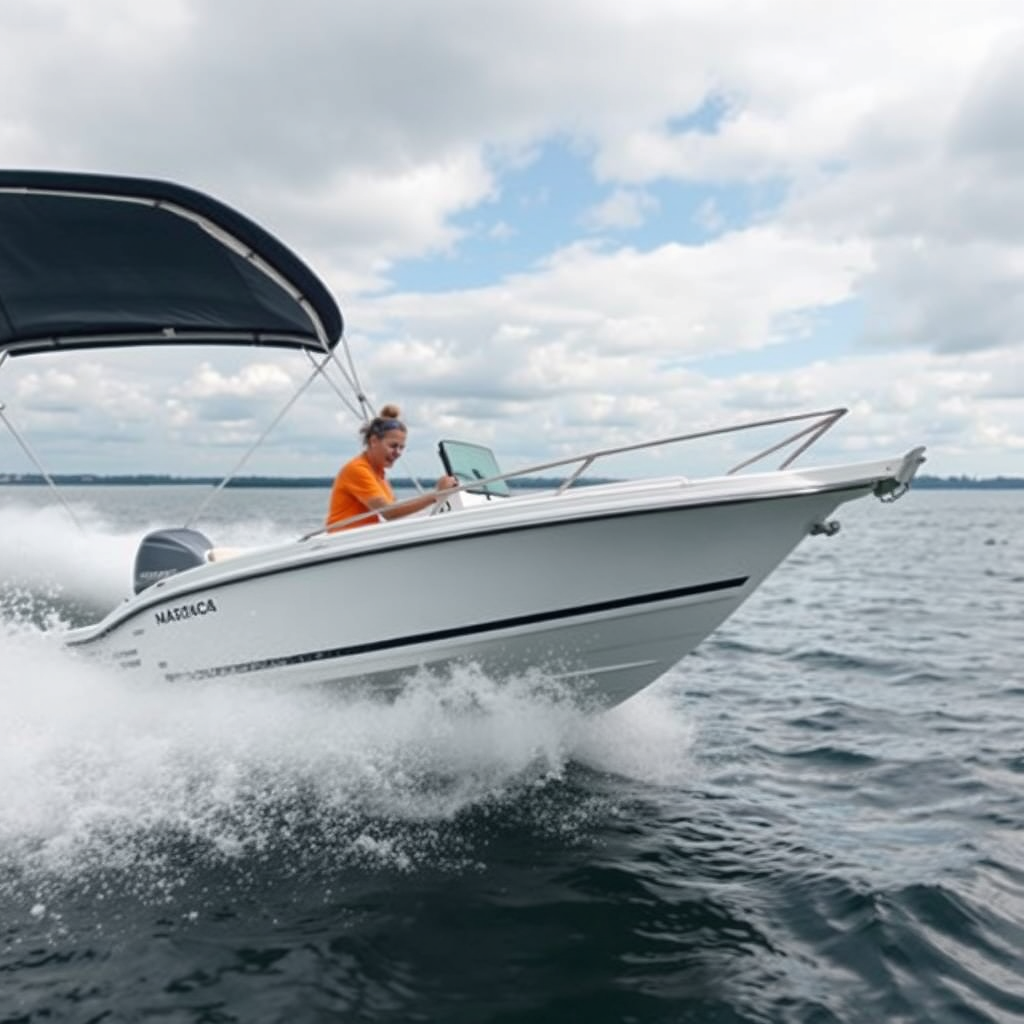
When determining boat insurance rates, insurers assess several key factors that can significantly influence the premium you’ll pay.
– Type of Boat: The type of boat you own plays a crucial role in determining your insurance costs. For instance, sailboats may have different risk profiles compared to powerboats. High-performance boats or luxury vessels often attract higher premiums due to their increased value and likelihood of accidents. Additionally, larger boats generally incur more substantial coverage costs than smaller ones, reflecting the greater potential for damage.
– Coverage Options: The level of coverage you choose directly impacts your insurance premium. Basic liability coverage, which is the minimum requirement for most boat insurance policies, tends to be more affordable. However, if you opt for comprehensive coverage that includes collision, theft, and weather-related incidents, expect to pay a higher premium. Exploring various coverage options, such as agreed value versus actual cash value policies, can also affect your rates.
– Boating Experience: Insurers consider the experience and safety record of the boat owner. If you are a seasoned boater with a history of safe sailing, you may qualify for lower insurance rates. Conversely, novice boaters or those with previous claims may face higher premiums due to perceived risk.
Types of Boat Insurance Coverage
Understanding the types of coverage available can help you select the right policy that meets your needs and budget.
– Liability Coverage: This is a fundamental component of boat insurance, protecting you against claims for bodily injury or property damage to others. For example, if you accidentally collide with another boat and cause injuries to the occupants, liability coverage would cover medical expenses and potential legal fees arising from the incident. Minnesota law does not mandate boat insurance, but having liability coverage is a wise choice to safeguard against unforeseen accidents.
– Collision Coverage: Collision coverage specifically addresses damages to your boat resulting from accidents with other vessels or fixed objects, such as docks or buoys. If your boat suffers significant damage after a collision, this coverage can help you pay for repairs or replacements, thereby preventing an out-of-pocket expense that could be substantial.
– Comprehensive Coverage: This type of coverage protects against non-collision incidents that can lead to loss or damage. Events such as theft, vandalism, and damage from storms or natural disasters fall under this category. For instance, if a severe storm damages your boat while it is docked, comprehensive coverage would help cover the repair costs, ensuring you are not financially burdened by nature’s unpredictability.
Average Cost Breakdown
The average cost of boat insurance in Minnesota varies based on the size and type of the vessel, as well as the selected coverage options.
– Small Boats: Smaller boats, such as canoes, kayaks, or small motorboats, typically cost around $200 to $300 per year for basic coverage. These boats generally have lower replacement values and risks, making them more affordable to insure.
– Larger Vessels: For larger boats, such as yachts or high-value powerboats, premiums can rise to $500 or more annually. Factors such as the boat’s market value, usage frequency, and additional coverage options can contribute to the overall cost.
For example, insuring a luxury yacht with multiple amenities and high market value will naturally incur higher premiums compared to insuring a modest fishing boat.
Discounts and Savings Options
Exploring discounts and savings options can significantly reduce your overall insurance costs.
– Bundling Policies: Many insurance providers offer discounts if you bundle your boat insurance with other types of insurance, such as home or auto insurance. This can result in substantial savings on your overall insurance expenses, making it an attractive option for policyholders.
– Safe Boating Courses: Completing a certified boating safety course can qualify you for discounts on your insurance premiums. Insurers often recognize that educated boaters are less likely to file claims, thus rewarding them with lower rates. Look for courses approved by the National Association of State Boating Law Administrators (NASBLA), as they are widely accepted by insurance companies.
Finding the Right Insurance Provider
Identifying the right insurance provider is vital to securing a policy that meets your needs.
– Research and Compare: Take the time to research multiple insurers to find the best rates and coverage options. Utilize online comparison tools to easily evaluate quotes from various companies. This approach will empower you to make an informed decision based on cost and coverage.
– Read Reviews: Checking customer satisfaction ratings and feedback can provide invaluable insights into the reliability and responsiveness of potential insurers. Websites like the Better Business Bureau (BBB) and independent review platforms can help you gauge the experiences of other policyholders.
By carefully considering these aspects, you can choose an insurance provider that not only meets your coverage needs but also aligns with your budget.
Frequently Asked Questions
– What factors should I consider when choosing coverage? Consider your boat type, usage frequency, and the value of your investment. Additionally, evaluate the risks associated with your boating activities and choose a coverage level that provides adequate protection.
– How can I lower my boat insurance premium? You can reduce your premium by bundling policies, completing safe boating courses, and maintaining a good claims history. Regularly reviewing and adjusting your coverage can also lead to savings.
– Is boat insurance mandatory in Minnesota? While boat insurance is not legally required in Minnesota, it is highly recommended to protect yourself against liability and financial loss.
Understanding the average cost of boat insurance in Minnesota and the factors that influence it can empower you as a boat owner to make informed decisions. By exploring different coverage options, discounts, and potential insurance providers, you can find a policy that best suits your needs. Take the time to research and compare quotes today to ensure that you are adequately protected while enjoying your time on Minnesota’s beautiful waterways.
Frequently Asked Questions
How much does boat insurance typically cost in Minnesota?
The cost of boat insurance in Minnesota varies based on several factors, including the type and size of the boat, its age, and the coverage options selected. On average, boat owners can expect to pay between $200 to $500 annually for basic coverage. However, larger or higher-value boats may incur premiums that exceed $1,000 per year, especially if they require comprehensive coverage.
What factors affect the price of boat insurance in Minnesota?
Several key factors influence the price of boat insurance in Minnesota. These include the boat’s value, its type (e.g., sailboat, motorboat, or personal watercraft), the owner’s experience and claims history, the selected coverage limits, and the geographical location where the boat is used. Additionally, discounts may be available for safety features, boating courses, and multi-policy bundling.
Why is boat insurance important for Minnesota boat owners?
Boat insurance is crucial for Minnesota boat owners as it provides financial protection against potential damages, theft, and liability claims. Given the state’s numerous lakes and waterways, the risk of accidents or weather-related incidents increases, making coverage vital for safeguarding your investment and ensuring peace of mind while enjoying boating activities.
What types of coverage are available for boat insurance in Minnesota?
In Minnesota, boat insurance typically offers several types of coverage, including liability coverage, which protects against injuries or damages to others, and physical damage coverage, which covers repairs to your boat from accidents or theft. Additionally, options like comprehensive coverage for non-collision incidents, uninsured boater coverage, and medical payments coverage can further enhance your policy according to your needs.
Which insurance providers offer the best boat insurance in Minnesota?
When searching for the best boat insurance in Minnesota, several reputable providers stand out, including Progressive, GEICO, and State Farm. Each of these companies offers a variety of coverage options and competitive rates, making it essential to compare quotes and review customer feedback to find the best fit for your specific boating needs and budget.
References
- https://www.insurance.wa.gov/boat-insurance
- https://www.dnr.state.mn.us/boatregistration/index.html
- 404 – Page not found | III
- https://www.minnesotaboating.com/insurance-coverage
- – NASBLA Connect
- https://www.statefarm.com/simple-insights/insurance/what-to-know-about-boat-insurance
- https://www.ncbi.nlm.nih.gov/pmc/articles/PMC5800211/



