

Braces in Pennsylvania typically cost between $3,000 and $7,000, even with insurance coverage. The price can be influenced by several factors, including the type of braces selected, the complexity of the dental issue being addressed, and the specifics of the insurance plan. In this article, we’ll break down the costs associated with braces, discuss the types of insurance that might cover them, and offer guidance on how to navigate the financial aspects of orthodontic treatment effectively.
Understanding Braces Costs
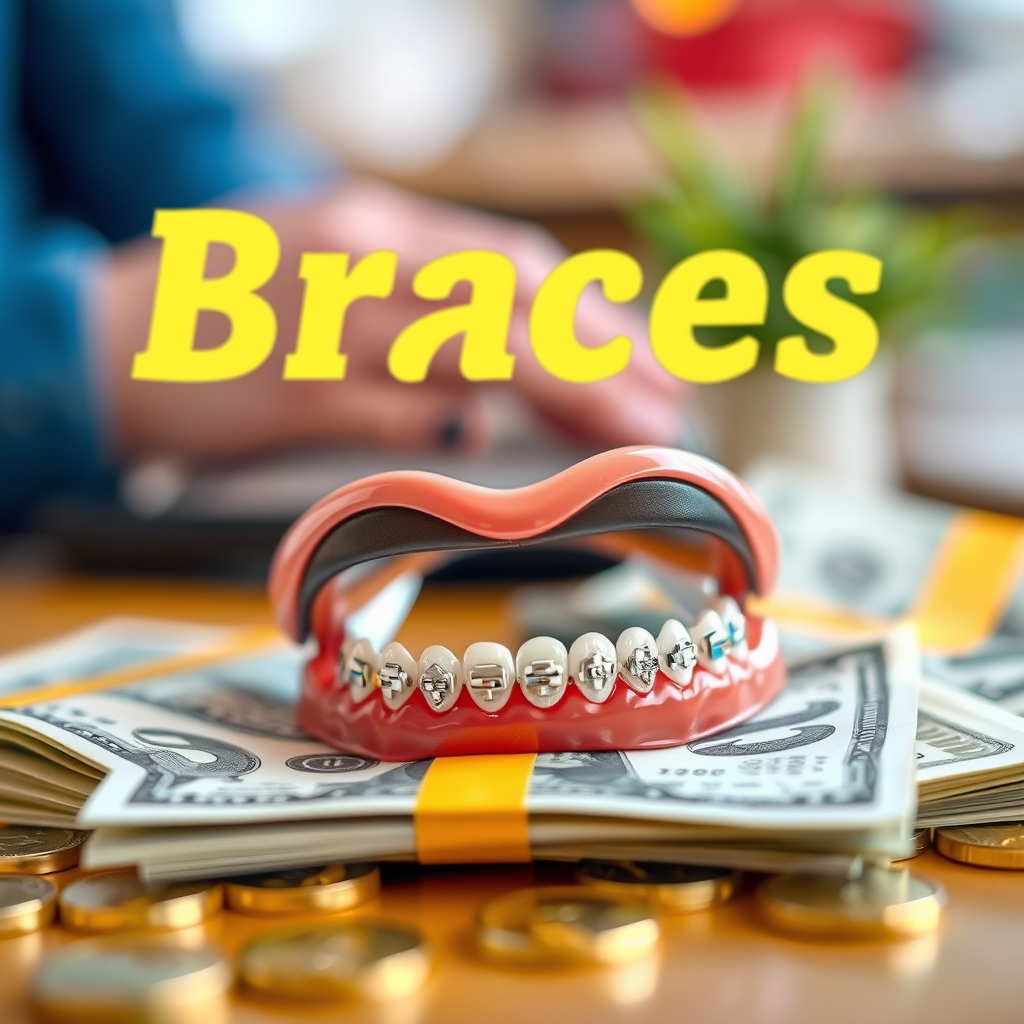
The cost of braces can vary significantly depending on the type of braces chosen. The most common options include traditional metal braces, which are typically the most affordable; ceramic braces, which blend in with the teeth and are slightly more expensive; lingual braces, which are placed on the inside of the teeth for complete invisibility; and clear aligners, such as Invisalign, which offer a removable option but often come at a premium price.
Beyond the type of braces, several factors influence the overall cost. The duration of the treatment can greatly impact the price; longer treatments generally mean more visits and adjustments, leading to higher costs. The complexity of the dental issue also plays a role; more severe misalignments or orthodontic conditions may require more intensive treatment, which can further increase expenses. Lastly, the fees charged by the chosen orthodontist can vary based on their experience, location, and the technology they use.
The Role of Insurance in Orthodontics
Most dental insurance plans offer some level of orthodontic coverage, which can significantly offset the cost of braces. Typically, these plans cover a percentage of the total expenses, ranging from 50% to 80%, depending on the specifics of the policy. However, it is crucial to understand the limitations of your insurance coverage.
Many plans impose an annual maximum for orthodontic benefits, which can cap the amount they will pay per year. Additionally, there may be a lifetime limit on orthodontic benefits, meaning that once you reach that threshold, you will be responsible for any further costs. This is particularly important for families with multiple children who may need braces, as it can lead to unanticipated out-of-pocket expenses if not planned for accordingly.
How to Maximize Your Insurance Benefits
To make the most of your insurance benefits, it’s vital to conduct thorough pre-treatment verification. This means contacting your insurance provider to gain a clear understanding of what is covered under your plan before proceeding with treatment. Ask detailed questions about the percentage covered, any waiting periods, and how many visits are included.
Moreover, consider the difference between in-network and out-of-network orthodontists. In-network providers typically have negotiated rates with insurance companies, which can lead to lower out-of-pocket costs. Choosing an out-of-network provider may result in higher expenses since they do not have the same agreements in place with your insurance company.
Payment Plans and Financing Options
Many orthodontists offer flexible payment plans to help patients manage the cost of braces. These monthly payment options can allow you to spread the total expense over the duration of the treatment, making it more manageable. Some practices even provide interest-free financing, which can be a great way to alleviate immediate financial pressure.
Additionally, utilizing Health Savings Accounts (HSAs) or Flexible Spending Accounts (FSAs) can be an effective way to pay for braces using pre-tax dollars. This means that the money you contribute to these accounts can be used for qualified medical expenses, including orthodontic treatment, ultimately reducing your taxable income and making braces more affordable.
Additional Costs to Consider
While the cost of braces is a significant factor, it is essential to consider additional expenses that may arise during treatment. One such cost is retainers, which are necessary after the braces are removed to maintain teeth in their new positions. Retainers can incur extra costs, and not all insurance plans cover them.
Moreover, regular follow-up visits for adjustments and check-ups are necessary throughout the treatment process. Each visit may have a separate fee, depending on your orthodontist’s policies. Being aware of these potential additional costs can help you budget more effectively for your orthodontic care.
Average Costs Based on Location and Type
When comparing costs, it’s important to note that Pennsylvania’s rates for braces are generally in line with national averages, but there can be notable regional variations. Urban areas like Philadelphia and Pittsburgh may have higher costs due to increased living expenses and demand for orthodontic services, while rural areas may offer more affordable rates.
Research indicates that the average cost of braces in Pennsylvania is reflective of the national range, with some practices offering promotional discounts, especially for new patients. Checking with multiple orthodontists in your area can provide a clearer picture of what to expect in terms of pricing.
Real-Life Experiences and Budgeting Tips
Understanding the financial experiences of others can provide valuable insight. Testimonials from patients often highlight the importance of budgeting and planning ahead. Many individuals recommend starting to save for braces as soon as possible, particularly if you anticipate needing treatment for multiple family members.
Budgeting strategies, such as setting aside a specific amount each month for orthodontic expenses, can be beneficial. Additionally, utilizing online calculators can help you estimate monthly payments based on the total cost of treatment and the length of the payment plan, allowing for more accurate financial planning.
Summarizing the costs and insurance coverage for braces in Pennsylvania can help you make informed decisions about your orthodontic care. It is essential to consult with your orthodontist and insurance provider to explore your options fully. If you’re considering braces, take the next step by scheduling a consultation to learn about your specific costs and insurance benefits. Ultimately, investing in braces is an investment in your oral health and overall confidence, making it a valuable decision for many.
Frequently Asked Questions
What is the average cost of braces in Pennsylvania with insurance?
The average cost of braces in Pennsylvania can range from $3,000 to $7,000, depending on the complexity of the case and the type of braces chosen. With insurance, you may pay anywhere from $1,500 to $3,500 out-of-pocket, as most dental insurance plans cover a portion of orthodontic treatment. It’s crucial to check with your insurance provider to understand your specific coverage limits and any co-pays that may apply.
How does dental insurance typically work for braces in Pennsylvania?
Dental insurance in Pennsylvania often covers a portion of orthodontic treatments, including braces, usually around 50% of the total cost, up to a maximum lifetime benefit limit. This limit can vary significantly between insurance plans, so it’s vital to review your policy details. Additionally, some plans may require you to pay a deductible before coverage kicks in, and it’s a good idea to get a pre-treatment estimate from your orthodontist to understand your potential out-of-pocket expenses.
Why do braces cost so much even with insurance in Pennsylvania?
The high cost of braces, even with insurance, can be attributed to several factors, including the complexity of the orthodontic treatment, the materials used (such as metal, ceramic, or invisible aligners), and the expertise of the orthodontist. Additionally, the duration of treatment can vary, often lasting 18 months to 3 years, which contributes to the overall cost. It’s important to remember that braces require regular adjustments and check-ups, which also factor into the total expense.
What types of braces are available in Pennsylvania, and how do their costs compare with insurance?
In Pennsylvania, you can choose from several types of braces, including traditional metal braces, ceramic braces, and clear aligners like Invisalign. Traditional metal braces are typically the most cost-effective, while clear aligners can be more expensive. Your insurance may cover different amounts for each type, so it’s advisable to consult with your orthodontist about the most suitable option for your needs and budget, as well as how each type is covered by your insurance plan.
Which factors influence the cost of braces in Pennsylvania when considering insurance coverage?
Several factors can influence the cost of braces in Pennsylvania, even with insurance coverage. These include the type of braces selected, the length and complexity of treatment, and the specific orthodontist’s fees. Additionally, the insurance plan’s coverage level, including deductibles, co-pays, and maximum benefits, plays a significant role in determining out-of-pocket costs. Understanding these factors can help you make informed decisions about your orthodontic treatment and budget accordingly.
References
- How Much Do Braces Cost? Financing Orthodontic Treatment | American Association of Orthodontists
- https://www.ncbi.nlm.nih.gov/pmc/articles/PMC5590417/
- https://www.dentalcare.com/en-us/professionals/oral-health-topics/orthodontics
- https://www.verywellhealth.com/how-much-do-braces-cost-5188783
- Health Insurance – Glossary | HealthCare.gov
- https://www.ada.org/en/science-research/health-policy-institute/orthodontic-costs
- https://www.oregon.gov/oha/PHD/Pages/index.aspx