

When it comes to filing an insurance claim for roof damage, most insurance companies typically require at least 3 to 5 missing shingles to consider the claim valid. Understanding this threshold can help homeowners assess their situation and determine whether they should file a claim or seek repairs directly. This article will explore the specific requirements, factors influencing claims, and best practices for homeowners dealing with roof damage.
Understanding Insurance Policy Terms
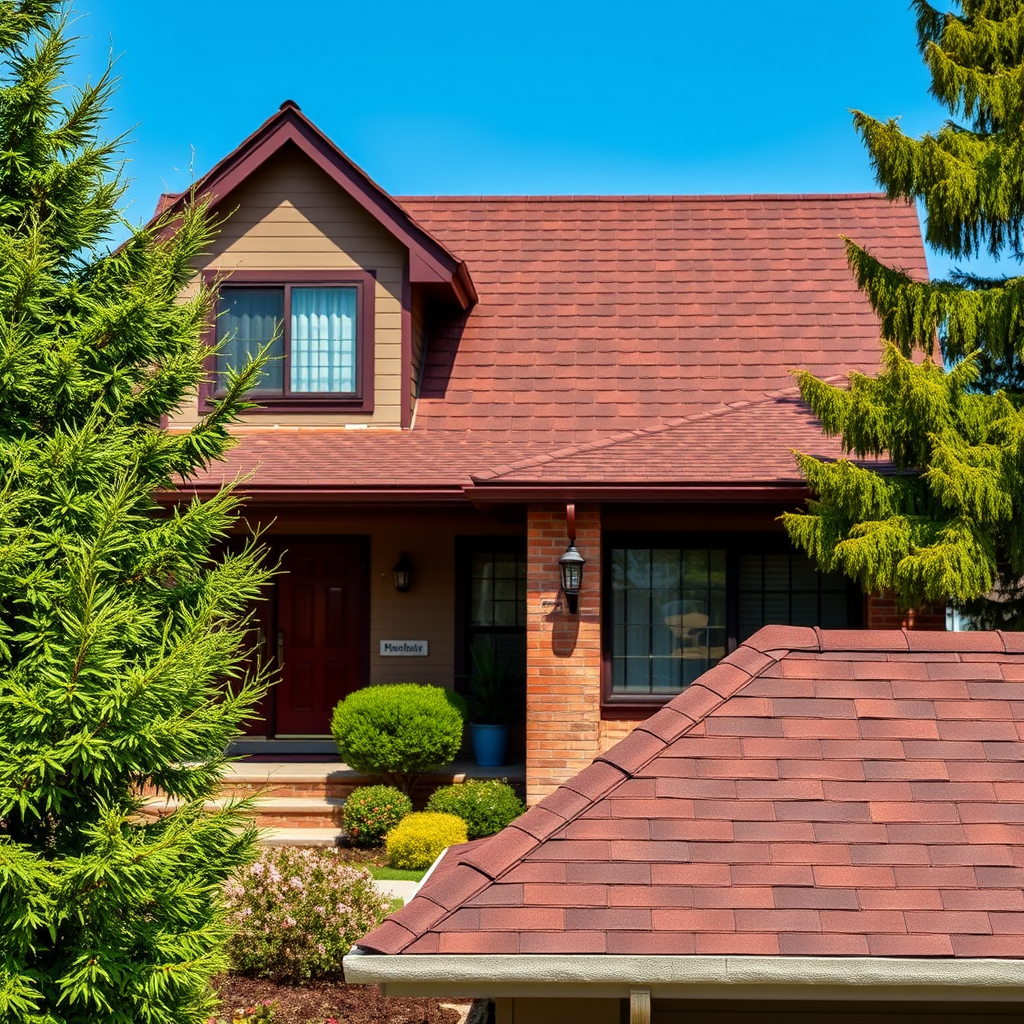
Before you initiate a claim, it’s imperative to review your specific insurance policy to understand coverage limits and requirements. Homeowners often overlook the nuances of their policies, which can lead to misunderstandings during the claims process. Each insurance company has its own set of terms, and your policy may define what constitutes damage, the deductible amount, and whether missing shingles qualify for a claim.
Coverage may vary significantly between different insurers and policies. Some insurance plans may cover the cost of replacing missing shingles, while others might only offer partial reimbursement based on depreciation or wear and tear. Familiarizing yourself with your policy can save time and frustration when navigating the claims process.
Factors That Influence Claim Validity
The age and condition of your roof can greatly impact claim approval. Insurers typically assess the overall state of your roof before approving a claim. If your roof is nearing the end of its lifespan or shows signs of deterioration, the claim may be denied or adjusted based on the roof’s pre-existing condition.
The cause of shingle loss also plays a critical role in determining claim validity. For instance, if shingles are missing due to storm damage, your claim is more likely to be approved compared to a situation where the shingles were lost due to natural wear and tear. Insurance companies are generally more willing to cover sudden and accidental damage than gradual deterioration, so it’s essential to document the cause of any damage meticulously.
Documenting Roof Damage
Taking high-quality photos of the damage and missing shingles is crucial for evidence. When filing a claim, visual documentation can substantiate your account of the incident and validate the extent of damage. Ensure that your photographs capture not only the missing shingles but also any additional damage to the roof structure or surrounding areas that may have occurred as a result of the shingle loss.
Keep records of any repairs or maintenance performed on the roof, as this information can strengthen your claim. Detailed records demonstrate your commitment to maintaining the roof, which could influence the insurance adjuster’s assessment. Furthermore, having a well-documented history of your roof’s maintenance can help identify potential issues that may arise in the future.
When to File a Claim
Consider filing a claim if the cost of repairs exceeds your deductible. Before making this decision, gather estimates from reputable roofing contractors to evaluate the financial implications of filing a claim. If the repair costs are significantly higher than your deductible, it may be worthwhile to pursue a claim.
Consulting with a roofing expert is also recommended to assess the extent of damage before filing. A professional can provide a detailed report outlining necessary repairs, which can be invaluable when discussing your case with the insurance company. Additionally, having an expert’s opinion can help you determine whether immediate repairs are essential or if you can wait for the claims process to unfold.
Common Misconceptions
Many homeowners believe that even one missing shingle warrants a claim, which is often not the case. Insurers typically require a minimum number of missing shingles, often between 3 and 5, to justify the costs associated with processing a claim and conducting repairs. Understanding this common misconception can prevent unnecessary claims that may ultimately lead to frustration and denied requests.
Some homeowners also think that all damage is covered under their policy, but exclusions may apply. For example, certain policies may not cover specific types of damage, such as that caused by lack of maintenance or damage due to natural disasters not covered under the policy’s terms. It’s essential to clarify these exclusions with your insurance provider to avoid surprises during the claims process.
Tips for Homeowners
Regular roof inspections can help prevent costly damage and improve claim chances. By identifying and addressing minor issues before they escalate, homeowners can maintain the integrity of their roofs and potentially avoid significant repair bills down the road. Inspection reports can also serve as valuable documentation in the event of a claim.
Always communicate with your insurance agent for guidance on the claims process. Your agent can provide insights into what documentation is needed, what to expect during the claims review, and how to navigate any challenges that may arise. Building a good relationship with your agent can facilitate a smoother claims experience and ensure you are well-informed about your coverage.
Understanding how many missing shingles are needed for insurance claims is crucial for homeowners facing roof damage. If you suspect that your roof may qualify for a claim, take the time to document your damage and consult with your insurance provider. Acting promptly can save you from further expenses and ensure your home remains protected. By being proactive and informed, you can navigate the complexities of the insurance claims process with confidence, ultimately safeguarding your investment in your home.
Frequently Asked Questions
How many missing shingles will affect my home insurance coverage?
Most insurance companies typically require at least 3 to 5 missing shingles before they will consider it a valid claim for roof damage. However, this can vary by policy and provider, so it’s crucial to review your specific insurance policy or consult with your insurance agent to understand the exact threshold for your coverage.
Why does my insurance company care about missing shingles?
Insurance companies are concerned about missing shingles because they can lead to more significant issues like water leaks, mold growth, or structural damage. By addressing missing shingles promptly, you can prevent further damage, which ultimately protects both you and the insurance company from higher repair costs.
What should I do if I notice missing shingles on my roof?
If you notice missing shingles, it is essential to document the damage by taking clear photographs and notes about when you noticed the issue. Contact a reputable roofing contractor for an inspection and potential repair. Additionally, notify your insurance company about the missing shingles, as they can advise you on the next steps regarding your coverage and any potential claims.
Which factors can influence the insurance claim process for missing shingles?
Several factors can influence the insurance claim process for missing shingles, including the age of your roof, the extent of the damage, and the specific terms of your policy. Additionally, if the damage is due to a covered peril, like a storm, your claim may be more likely to be approved. Always ensure that you have maintained your roof properly, as lack of maintenance can impact your claim.
How can I prevent missing shingles from affecting my insurance claims in the future?
To prevent issues with missing shingles affecting your insurance claims, regular roof inspections and maintenance are essential. Ensure that shingles are replaced promptly when damaged, and keep up with routine checks after severe weather events. Keeping records of maintenance and inspections can also provide valuable documentation for your insurance provider, helping to support your claims in the future.
References
- https://www.nolo.com/legal-encyclopedia/insurance-claims-roof-damage-32443.html
- https://www.thebalance.com/understanding-roof-repair-insurance-4174576
- 404 – Page not found | III
- https://www.npr.org/2021/02/19/968149318/how-to-prepare-for-the-next-big-storm
- ConsumerReports.org – Page not found error – Consumer Reports
- https://www.usa.gov/insurance
- https://www.hud.gov/program_offices/housing/sfh/insure