

Hydroplaning can significantly impact your car insurance rates, as insurers often view it as a driving risk that may lead to accidents. Understanding how hydroplaning affects your policy can help you make informed decisions about driving in wet conditions and your insurance coverage. This knowledge is crucial, especially for drivers in regions prone to heavy rainfall or flooding, where the risk of hydroplaning is elevated.
What is Hydroplaning?
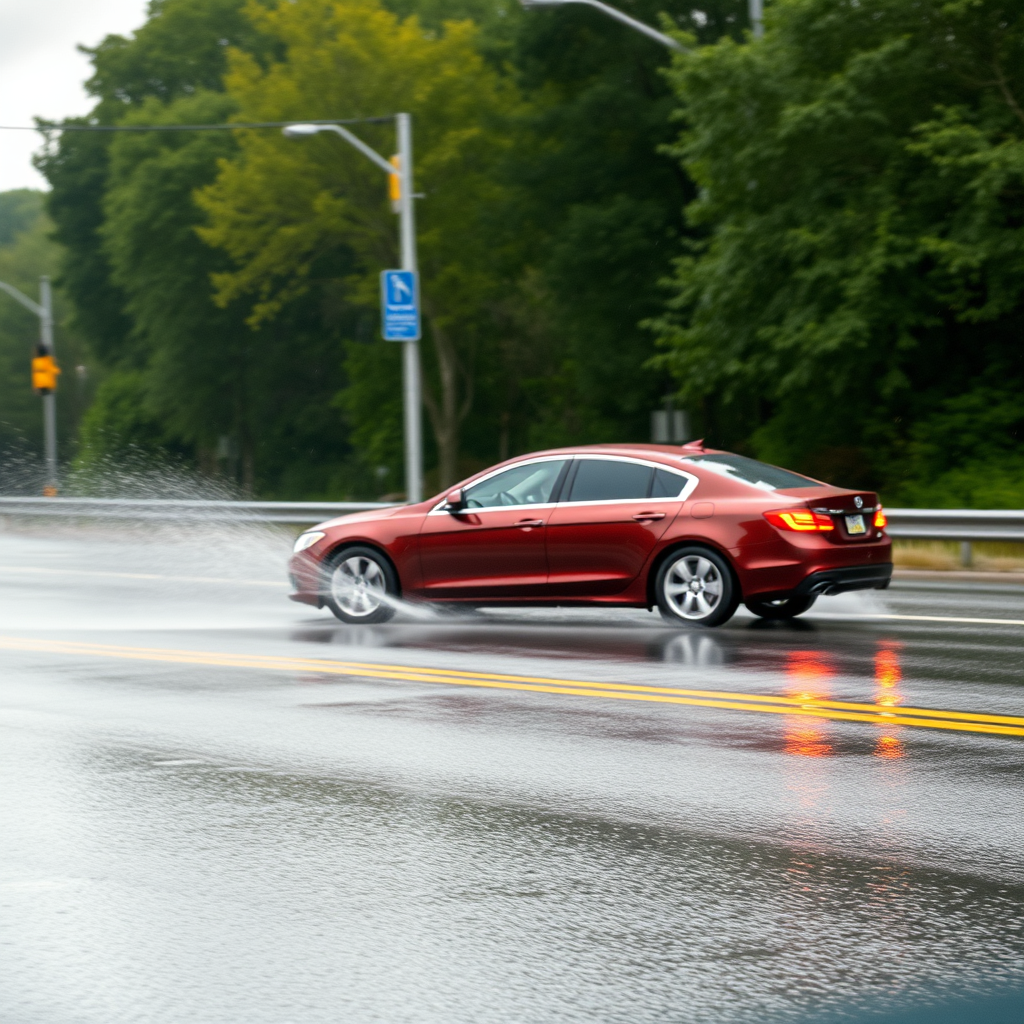
Hydroplaning occurs when a vehicle’s tires lose contact with the road due to a layer of water, resulting in a loss of steering control. This phenomenon typically happens when a vehicle is traveling at a speed that exceeds the rate at which water can be displaced by the tires, causing the tires to ride on the surface of the water rather than gripping the pavement. Hydroplaning is most common during heavy rain or on wet roads, and it can lead to serious accidents, including collisions with other vehicles or fixed objects. The risk of hydroplaning increases with standing water on the road, worn tires, and high speeds. As such, it is essential for drivers to understand the conditions that lead to hydroplaning and how to mitigate its risks.
How Hydroplaning Affects Insurance Claims
Accidents resulting from hydroplaning can lead to costly insurance claims. When a driver loses control of their vehicle due to hydroplaning and causes an accident, it is typically classified as an “at-fault” incident by insurance companies. This classification means that the driver is responsible for the damages incurred during the accident, which can include vehicle repairs, medical expenses, and liability claims from other parties involved. Such claims can substantially increase your insurance premium, as insurers assess the risk of insuring a driver with a history of accidents caused by hydroplaning. Furthermore, if the accident leads to multiple claims or injuries, the financial implications can be significant, emphasizing the importance of driving cautiously in wet conditions.
The Role of Driving History
A history of hydroplaning incidents may indicate risky driving behavior, which insurers take into account when determining your insurance rates. Insurance companies use a variety of factors to assess risk, including your driving record, previous claims, and overall driving habits. If you have multiple incidents of hydroplaning or related accidents, insurers may view you as a higher risk, leading to increased premiums. For instance, if a driver has been involved in several hydroplaning accidents over a short period, insurers may classify that driver as careless or reckless, further increasing rates. On the other hand, maintaining a clean driving record, with minimal incidents, can help secure lower premiums and may qualify you for discounts.
Impact on Insurance Premiums
Hydroplaning accidents can lead to an increase in your insurance rates, particularly if you file a claim. When a claim is made, insurers often re-evaluate the risk associated with the policyholder, and a history of hydroplaning may signal a propensity for accidents. For example, a driver who files a claim after a hydroplaning incident may see their rates increase significantly upon renewal of their policy. However, some insurers offer safe driving discounts, which can help mitigate rate hikes if you can demonstrate safe driving habits following an incident. These discounts reward drivers who engage in safe practices, such as taking defensive driving courses or maintaining a clean driving record after a hydroplaning incident.
Preventive Measures to Avoid Hydroplaning
Taking proactive steps can significantly reduce the risk of hydroplaning. Regular tire maintenance, including checking tire pressure and ensuring proper tread depth, is essential. Tires with adequate tread can effectively channel water away from the contact surface, enhancing grip on wet roads. Additionally, drivers should familiarize themselves with safe driving techniques for wet conditions, such as reducing speed, avoiding sharp turns, and maintaining a greater following distance from the vehicle ahead. For instance, if you encounter standing water on the roadway, it is advisable to slow down and steer straight, as sudden movements can lead to loss of control. By implementing these measures, drivers can minimize the risk of hydroplaning and, consequently, the likelihood of insurance claims and premium increases.
How to Manage Your Insurance After an Incident
If you experience a hydroplaning accident, it is crucial to report the incident to your insurer promptly to avoid complications with claims processing. Timely reporting can facilitate smoother claim handling and help you understand your coverage options. Additionally, consider shopping around for better rates if your premium increases following a claim. Different insurance companies assess risk differently, and you may find a provider that offers more favorable terms based on your driving history and current circumstances. Engaging with your insurer to discuss your options can also lead to potential rate adjustments or alternative coverage solutions.
Understanding Your Policy Coverage
Reviewing your insurance policy is essential to understand how hydroplaning and related accidents are covered. Different policies may have varying stipulations regarding coverage for accidents resulting from loss of control due to hydroplaning. It is prudent to consider additional coverage options, such as collision or comprehensive insurance, to protect against potential damages resulting from such incidents. Comprehensive coverage, for example, may cover damages to your vehicle that are not caused by a collision, providing additional peace of mind. Understanding the nuances of your policy can empower you to make informed decisions regarding your coverage and protection.
By grasping how hydroplaning affects your insurance rates and understanding the implications of your driving behavior, you can take proactive steps to manage your policy and premiums effectively. It is vital to remain vigilant about safe driving practices, especially in wet conditions, to minimize risks on the road. Additionally, reviewing your insurance options regularly can ensure that you are adequately covered without incurring unnecessary costs. Staying informed about hydroplaning and its effects on your insurance can not only safeguard your finances but also enhance your overall driving experience.
Frequently Asked Questions
What is hydroplaning and how does it affect my car insurance?
Hydroplaning occurs when a layer of water on the road causes a vehicle’s tires to lose traction, leading to a loss of control. If you’re involved in an accident while hydroplaning, your car insurance policy may cover the damages, depending on your coverage type. Comprehensive and collision coverage typically apply, but liability coverage is essential for any damages you cause to other vehicles or property.
How does a hydroplaning accident impact my insurance premiums?
A hydroplaning accident can lead to higher insurance premiums, especially if you are deemed at fault. Insurance companies assess risk based on your driving record, and a claim related to hydroplaning may indicate a higher likelihood of future claims. Additionally, if you have multiple claims or accidents, insurers may classify you as a higher-risk driver, resulting in increased rates.
Why is it important to report a hydroplaning incident to my insurance company?
Reporting a hydroplaning incident to your insurance company is crucial because it ensures that you are protected under your policy terms. Failing to report an accident can lead to complications, such as denial of coverage for damages later on. Moreover, providing timely information helps your insurer assess the situation accurately and process any claims that may arise from the incident.
Which types of car insurance coverage are best for preventing losses from hydroplaning?
To protect yourself from financial losses related to hydroplaning, it is best to have comprehensive and collision coverage. Comprehensive coverage can help cover damages to your vehicle from accidents not involving another vehicle, while collision coverage pays for damages resulting from collisions, regardless of fault. Liability coverage is also essential to protect against any claims made by others if you cause an accident while hydroplaning.
What steps can I take to reduce the chances of hydroplaning and its impact on my insurance?
To reduce the risk of hydroplaning and potential insurance claims, maintain your tires in good condition with proper tread depth, and ensure they are adequately inflated. Additionally, drive at lower speeds in wet conditions, and avoid sudden steering or braking movements that can increase the likelihood of losing traction. By practicing safe driving habits, you can minimize the chances of hydroplaning and help keep your insurance premiums manageable.
References
- 404 – Page not found | III
- https://www.nhtsa.gov/road-safety/hydroplaning
- ConsumerReports.org – Page not found error – Consumer Reports
- https://www.thebalance.com/hydroplaning-and-car-insurance-4172712
- https://www.progressive.com/answers/hydroplaning-and-car-insurance/
- https://www.insurancejournal.com/news/national/2021/01/26/600684.htm