

Yes, reckless driving can significantly impact your insurance rates, often leading to higher premiums or even difficulties in obtaining coverage. Insurance companies perceive reckless driving as an indicator of increased risk, resulting in a negative evaluation of a driver’s profile. This article will explore how reckless driving influences insurance costs, the potential consequences for drivers, and effective strategies to mitigate the financial impact of such behavior.
Understanding Reckless Driving
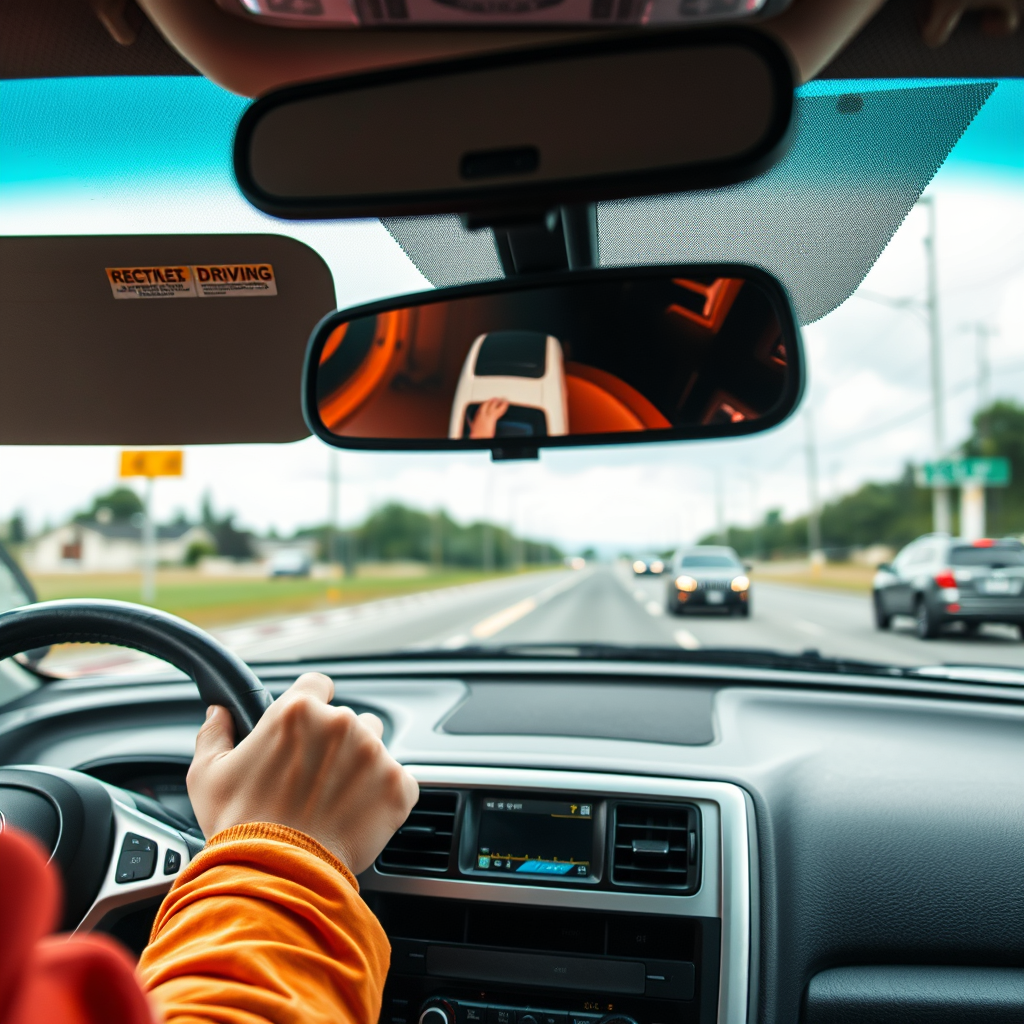
Reckless driving is generally defined as operating a vehicle in a manner that shows a willful disregard for the safety of persons or property. Common examples include excessive speeding, tailgating, weaving through traffic, and aggressive maneuvers like sudden lane changes without signaling. Each of these actions not only endangers the reckless driver but also poses significant risks to other road users.
Legal implications for reckless driving can be severe and may vary by jurisdiction. Offenders may face hefty fines, points on their driving record, mandatory traffic school, or even jail time in extreme cases. Furthermore, a conviction can lead to a criminal record, which can complicate future employment opportunities and personal insurance applications. Understanding these serious consequences is essential for anyone behind the wheel, as the repercussions extend far beyond immediate legal penalties.
How Insurers Assess Risk
Insurance companies use a process called underwriting to assess risk, which involves evaluating the likelihood that a policyholder will file a claim. This assessment is based on various factors, including the driver’s history, type of vehicle, and even demographic information. When it comes to driving records, insurers pay close attention to incidents of reckless driving, as these are strong indicators of future risk.
Factors that insurers consider when evaluating a driver’s history include the number of accidents, traffic violations, and claims made in the past. A history of reckless driving can lead to a higher risk classification, which in turn results in elevated premiums. Insurers typically categorize drivers into different risk tiers, with reckless drivers falling into higher-risk categories, leading to increased costs for coverage.
Impact on Insurance Premiums
Reckless driving incidents can lead to substantial increases in insurance premiums. A single reckless driving charge can cause rates to rise anywhere from 20% to 50%, depending on the severity of the incident and the driver’s previous record. For example, a driver with a clean record might see their premium jump from $1,000 to $1,500 annually after a reckless driving violation, while a driver with prior offenses may face even steeper hikes.
In contrast, safe drivers benefit from lower premiums. Insurers often reward those with clean driving records with discounts and lower rates, reflecting their lower risk of filing claims. As a result, there is a stark financial difference between the cost of insurance for safe drivers versus those labeled as reckless. This disparity highlights the importance of maintaining responsible driving habits to keep insurance costs manageable.
Long-Term Consequences
The long-term consequences of reckless driving can be severe. Multiple incidents can lead to significantly higher insurance rates over time, and chronic offenders may find themselves categorized as high-risk drivers, which can lead to even more drastic premium increases. In some cases, insurers may also decide to cancel or not renew policies for individuals with repeated reckless driving violations, leaving them with limited options for coverage.
Moreover, having a reckless driving record can have implications beyond insurance. It may influence lenders, employers, and even rental agencies, potentially leading to higher rates on loans or difficulties in securing housing. Thus, the ramifications of reckless driving extend far beyond immediate financial consequences, affecting various aspects of a driver’s life.
Ways to Lower Insurance Costs After Reckless Driving
If you’ve been charged with reckless driving and are concerned about your insurance rates, there are several steps you can take to mitigate the financial impact. First, focus on improving your driving habits. Completing a defensive driving course can not only help you become a safer driver but may also qualify you for discounts from some insurance companies.
Additionally, shopping around for insurance quotes after a reckless driving incident is crucial. Different insurers have varying policies regarding how they penalize drivers with violations, so it’s wise to compare rates to find a more favorable option. Some companies may offer more lenient terms for individuals with a willingness to improve their driving behavior.
Another effective strategy is to inquire about “accident forgiveness” programs. These programs may allow you to avoid premium increases after your first at-fault accident, depending on your insurer’s policies. By being proactive and taking these steps, you can work towards lowering your insurance costs even after a reckless driving charge.
Legal and Financial Support
If you find yourself facing reckless driving charges, it’s essential to explore your options for legal assistance. Contesting a reckless driving charge can sometimes help mitigate the consequences on your insurance rates. Consulting with an attorney who specializes in traffic violations can provide valuable insights into your case and potential legal defenses.
Additionally, consider exploring financial aid programs that may be available for those dealing with high insurance costs post-incident. Some organizations and non-profits offer resources or advice on managing insurance premiums and navigating the financial ramifications of driving violations. Utilizing these resources can alleviate some of the burdens associated with increased insurance rates.
Reckless driving has far-reaching implications, particularly when it comes to auto insurance. The impact on insurance rates can be significant, with potential long-term consequences that affect various aspects of life. Therefore, it is crucial to reflect on your driving habits and make a conscious effort to adhere to safe driving practices. Reviewing your insurance policy regularly and shopping for competitive rates can also help you manage costs effectively. By committing to safer driving, you can not only enhance your safety but also work towards lowering your insurance rates in the future.
Frequently Asked Questions
How does reckless driving impact my car insurance premiums?
Reckless driving can significantly increase your car insurance premiums. Insurance companies view reckless driving as a high-risk behavior, which leads them to categorize you as a higher risk for accidents. As a result, you may see your premiums rise substantially, sometimes by 20% to 50%, depending on the severity and frequency of the offenses on your driving record.
What happens to my insurance if I get a reckless driving ticket?
If you receive a reckless driving ticket, your insurance company is likely to be notified, which can lead to a review of your policy. Many insurers will consider this ticket when calculating your risk profile, which may result in higher premiums or even a non-renewal of your policy. It’s essential to understand that a reckless driving conviction can stay on your driving record for several years, continuing to affect your insurance rates during that time.
Why do insurance companies care about reckless driving?
Insurance companies care about reckless driving because it correlates with a higher likelihood of accidents and claims. Their primary goal is to assess risk accurately; if you have a history of reckless behavior, they may predict that you are more likely to file a claim, which can lead to increased costs for the insurer. Consequently, they implement higher rates to offset the potential costs associated with insuring high-risk drivers.
Which factors can influence how much my insurance increases after a reckless driving incident?
Several factors can influence the increase in your insurance rates following a reckless driving incident. These include your overall driving history, how many reckless driving offenses you’ve had, your insurance provider’s policies, and the severity of the incident (e.g., whether it resulted in an accident or injury). Additionally, state laws can vary, affecting how long the offense impacts your insurance premium.
What can I do to lower my insurance rates after a reckless driving conviction?
To lower your insurance rates after a reckless driving conviction, consider taking a defensive driving course, which some insurers may acknowledge as a way to improve your driving skills and reduce rates. Additionally, maintaining a clean driving record moving forward, shopping around for better quotes from different insurance providers, or increasing your deductible can also help manage your premiums. Regularly reviewing your policy and discussing options with your agent can ensure you find the best approach to mitigate costs.
References
- https://www.nhtsa.gov/risky-driving/reckless-driving
- 404 – Page not found | III
- https://www.consumerfinance.gov/about-us/blog/how-driving-history-affects-your-car-insurance/
- https://www.thebalance.com/how-reckless-driving-affects-your-insurance-2645668
- https://www.nerdwallet.com/article/insurance/car-insurance-reckless-driving
- https://www.dmv.org/insurance/how-driving-record-affects-insurance.php
- https://www.forbes.com/advisor/car-insurance/reckless-driving-insurance/
- https://www.insurance.com/auto-insurance/reckless-driving-insurance-rates.html