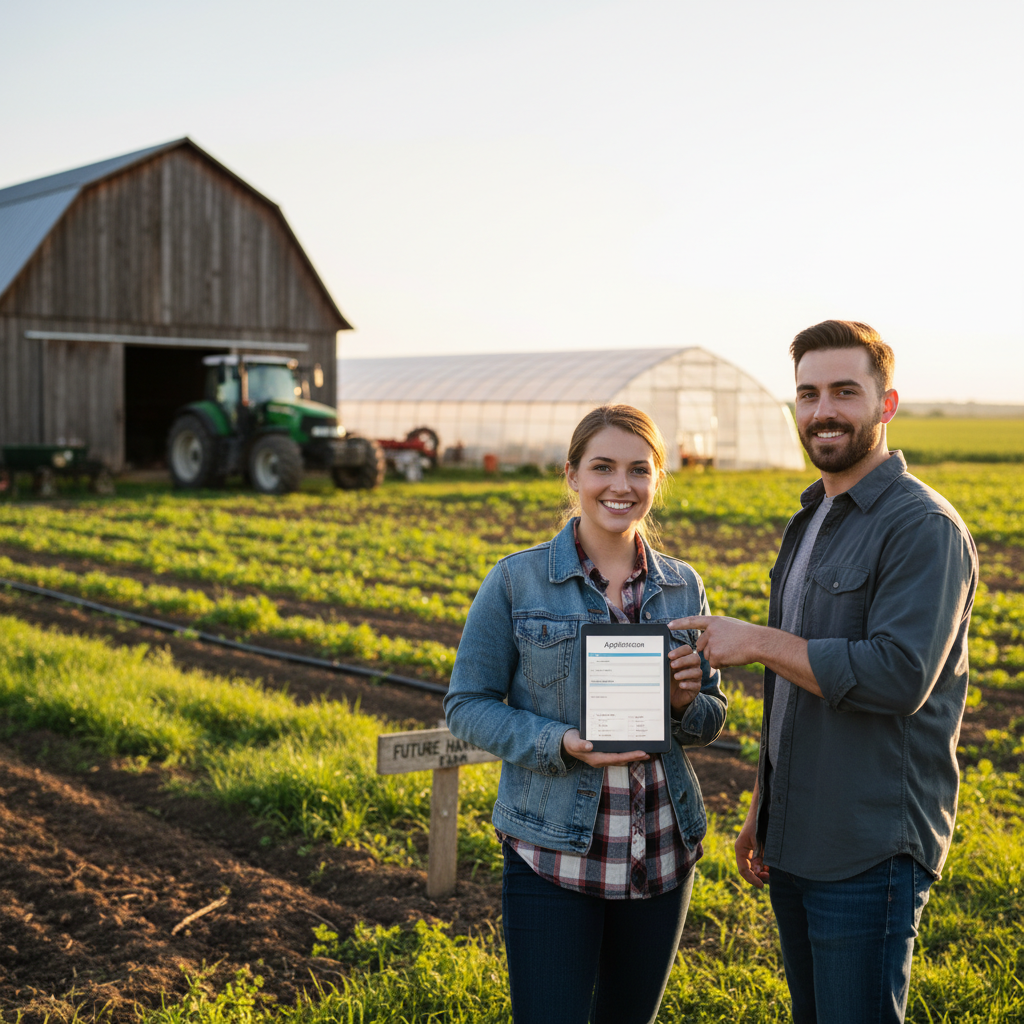

Getting a farm loan without prior experience is entirely feasible by following specific steps and understanding the requirements of lenders. Many financial institutions and government programs are designed to support new farmers, making it possible to secure funding despite a lack of hands-on experience. By preparing a solid business plan, seeking educational resources, and leveraging support from agricultural organizations, you can significantly increase your chances of approval. This article will guide you through the key aspects of securing a farm loan even if you’re new to farming.
Understanding Farm Loan Options

When it comes to farm loans, there are various types available, each with unique features tailored to different needs. USDA loans, for example, are government-backed loans that often have lower interest rates and more favorable terms for new farmers, making them an excellent option for those just entering the industry. Additionally, commercial bank loans are another common choice, but they typically require a stronger financial profile and may have stricter eligibility criteria.
It’s crucial to thoroughly research these options. USDA loans come in several varieties, such as the Farm Ownership Loan and the Operating Loan, each catering to specific financial needs. On the other hand, traditional bank loans might offer more straightforward access but could require collateral or a proven credit history. Understanding these distinctions will empower you to choose the loan that best aligns with your farming goals and financial situation.
Preparing a Solid Business Plan
A well-structured business plan is essential for any aspiring farmer, particularly when seeking financing. This document should clearly outline your farming goals, including what crops or livestock you intend to raise, your target market, and how you plan to achieve profitability. Conducting a thorough market analysis will provide insights into demand, pricing, and competition, which are critical factors lenders consider.
Moreover, incorporating financial projections can demonstrate your understanding of the economic landscape and your ability to manage funds effectively. Include a detailed budget that outlines start-up costs, operational expenses, and forecasted revenues. Additionally, a risk management strategy is vital to show lenders that you are prepared for potential challenges. This could include insurance plans, diversification strategies, and contingency plans to handle unforeseen circumstances.
Building Your Farming Knowledge
Even if you lack experience, you can build a solid foundation of farming knowledge through various educational resources. Local agricultural extensions often offer workshops and courses that cover essential topics such as crop management, animal husbandry, and sustainable practices. Online platforms also provide accessible learning opportunities, with courses tailored to new farmers.
Networking with experienced farmers can further enhance your understanding of the industry. Joining local farming groups or attending agricultural fairs can provide invaluable insights and mentorship opportunities. These connections not only offer practical advice but can also lead to partnerships or collaborative ventures, further solidifying your path into farming.
Leveraging Government Programs
Government-backed loan programs are particularly beneficial for new farmers, as they often have more lenient requirements than traditional loans. The USDA’s Farm Service Agency (FSA) provides several loan options specifically designed for those without extensive farming backgrounds. These loans can cover a variety of purposes, including purchasing land, equipment, and livestock.
In addition to loans, explore available grants and subsidies that can supplement your financing efforts. Programs like the Beginning Farmer and Rancher Development Program (BFRDP) provide funding for educational projects that can help you grow your farming skills. Utilizing these resources can bolster your loan application and demonstrate your commitment to the agricultural sector.
Strengthening Your Financial Profile
Your financial profile plays a crucial role in obtaining a farm loan. Maintaining good credit is essential; lenders often use credit scores to assess your reliability. Even if your credit history is not directly related to farming, a strong financial background can significantly enhance your chances of approval.
Gathering necessary documentation is also critical. Be prepared to present your personal tax returns, bank statements, and any other financial information that demonstrates your capability to manage a loan. Lenders will want to see that you have a stable income and a history of responsible financial behavior, which can help you secure better loan terms.
Seeking Support from Agricultural Organizations
Joining local farming associations can be a game-changer for new farmers. These organizations often provide essential resources, guidance, and networking opportunities that can help you navigate the complexities of securing financing. They may host workshops, seminars, or events where you can meet other farmers and potential lenders.
Additionally, many agricultural organizations focus on advocacy and can assist you in understanding your rights and options as a new farmer. They can also connect you with mentors who have successfully navigated the loan application process, providing you with insights and tips that can enhance your chances of success.
Approaching Lenders with Confidence
When you feel prepared to approach lenders, it’s important to do so with confidence. Presenting your business plan and financial documents clearly and professionally will make a strong impression. Practice your pitch, focusing on your vision for your farm and how you plan to overcome any challenges related to your lack of experience.
Be open and honest about your background and demonstrate your willingness to learn. Lenders appreciate applicants who are proactive and show a strong commitment to their goals. Highlight your research, educational efforts, and any support you’ve received from mentors or agricultural organizations, as this illustrates your determination and readiness to succeed in the farming industry.
By following these steps, you can improve your chances of obtaining a farm loan despite having no prior experience in the industry. Focus on education, preparation, and leveraging the resources available to you. Take action now by researching the loan options that best suit your farming aspirations and start building your future in agriculture. With diligence and determination, you can turn your farming dreams into reality.
Frequently Asked Questions
What are the options for getting a farm loan with no prior farming experience?
If you have no prior farming experience but wish to secure a farm loan, consider looking into programs designed for beginning farmers. Organizations such as the USDA offer loans specifically for new farmers, which may have more lenient qualification criteria. Additionally, local banks and credit unions may have specialized agricultural lending programs that can accommodate inexperienced farmers, particularly if you can demonstrate a solid business plan and commitment to learning.
How can I improve my chances of getting a farm loan without experience?
To enhance your chances of obtaining a farm loan without prior experience, focus on developing a comprehensive business plan that outlines your farming goals, operational strategies, and financial projections. Additionally, consider gaining relevant knowledge through agricultural courses, internships, or mentorship programs. Showing potential lenders that you are committed to learning and have a clear plan can significantly boost your credibility and attractiveness as a borrower.
Why do lenders hesitate to provide farm loans to inexperienced farmers?
Lenders often hesitate to grant farm loans to inexperienced farmers due to the perceived risk involved. Farming is inherently unpredictable, and without a proven track record, lenders may question your ability to manage a farm successfully and repay the loan. Additionally, lack of experience can raise concerns about your knowledge of crop management, market fluctuations, and financial planning, which are critical for a farm’s success.
What documents do I need to apply for a farm loan with no experience?
When applying for a farm loan without experience, you will typically need to provide documents such as a detailed business plan, personal financial statements, tax returns, and any relevant agricultural training or education certificates. Some lenders may also require a description of your proposed farming operation, including projected income sources and expenses. Being prepared with these documents can help demonstrate your seriousness and commitment to the farming venture.
Which government programs can help me secure a farm loan as a beginner?
There are several government programs designed to assist beginner farmers in securing loans, particularly through the U.S. Department of Agriculture (USDA). The USDA’s Farm Service Agency (FSA) offers the Direct Farm Ownership Loan and the Direct Operating Loan for new farmers, which have favorable terms and lower interest rates. Additionally, the Beginning Farmer and Rancher Loan Program provides resources and financial assistance to help those new to farming get started on the right foot.
References
- https://www.farmcredit.com/resources/articles/how-to-get-a-farm-loan
- Farm Loan Programs | Farm Service Agency
- https://www.nal.usda.gov/legacy/legacy/farm-loans
- https://www.ams.usda.gov/rules-regulations/food-safety-modernization-act/farm-loan-programs
- https://www.extension.purdue.edu/extmedia/cfs/cfs-126-w.pdf
- https://www.nass.usda.gov/Newsroom/News_Releases/2021/09_28_2021.php