
Hydroplaning can lead to accidents, and understanding whether your insurance covers such incidents is crucial for drivers. In most cases, liability insurance does not cover damages resulting from hydroplaning, as it typically applies to damages caused to third parties. However, comprehensive and collision coverage may offer protection depending on the circumstances. This article will delve deeper into how insurance policies respond to hydroplaning scenarios and what drivers should be aware of.
Understanding Hydroplaning
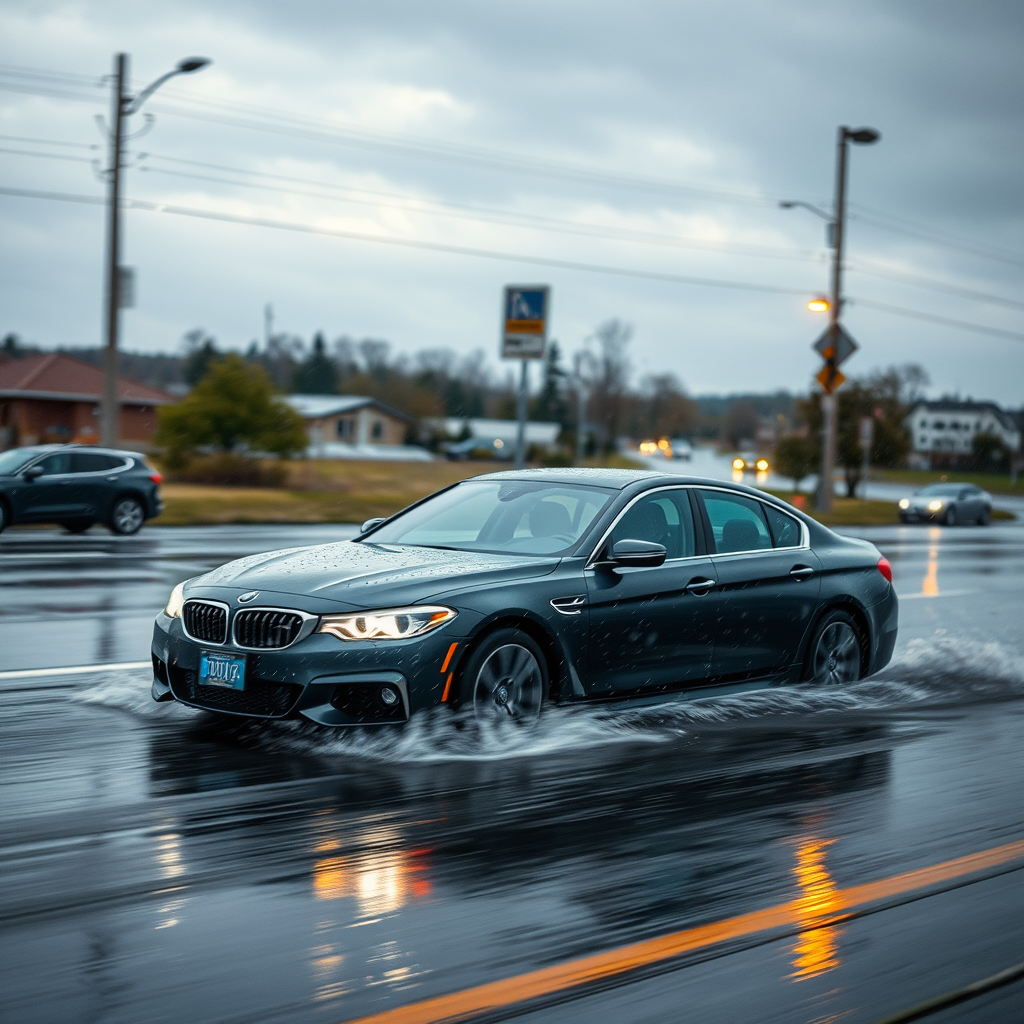
Hydroplaning occurs when a vehicle’s tires lose contact with the road due to water accumulation on the surface. This phenomenon is particularly common during heavy rainfalls or when driving through puddles. The onset of hydroplaning can be sudden, often leading to a loss of control over the vehicle. When tires skim over the water instead of gripping the road, drivers may find it challenging to steer, brake, or accelerate, leading to potential accidents or collisions with other vehicles, objects, or barriers.
The risk of hydroplaning increases with factors such as speed, tire condition, and the amount of standing water on the road. For instance, driving at high speeds during a rainstorm can significantly reduce the effectiveness of your tires, making it easier to lose control. Understanding these dynamics is essential for all drivers to mitigate risks and ensure their safety on the road.
Types of Insurance Coverage
Understanding the different types of car insurance coverage is vital for any driver, especially when considering incidents like hydroplaning.
– Liability Insurance: This is the basic form of insurance required in most states. It covers damages to other vehicles and property when you are at fault in an accident. However, it does not cover damages to your own vehicle, which is crucial to understand in the context of hydroplaning. If you hydroplane and cause an accident, your liability insurance would cover the damages to the other party but not to your own vehicle.
– Collision Coverage: Unlike liability insurance, collision coverage is designed to cover damages to your own vehicle resulting from an accident, regardless of who is at fault. If you hydroplane and crash into a guardrail or another object, collision coverage would help pay for the repairs to your vehicle. This type of coverage is particularly beneficial for drivers who frequently navigate rainy conditions or who live in areas prone to heavy rainfall.
– Comprehensive Coverage: This type of insurance covers damages not related to a collision, such as theft, vandalism, or natural disasters. While comprehensive coverage generally does not apply to hydroplaning situations, it may come into play if your vehicle sustains damage from other environmental factors post-hydroplaning.
When Insurance May Cover Hydroplaning
Insurance coverage for hydroplaning incidents largely hinges on the type of coverage you carry and the circumstances surrounding the event.
– If you have collision coverage, it may pay for damages to your vehicle during a hydroplaning incident. For example, if you hydroplane while driving and subsequently crash into a tree, your collision policy would likely cover the cost of repairs or the vehicle’s total loss, depending on the severity of the damage.
– Comprehensive coverage can also come into play when your vehicle is damaged by something other than a collision, though instances of hydroplaning leading to such claims are less common. For instance, if your vehicle hydroplanes and subsequently rolls into a ditch, causing damage from the ditch rather than the collision itself, there may be a case for comprehensive coverage, though this would be contingent on the specifics of your policy.
It is essential to review your policy and clarify with your insurance provider what is covered in hydroplaning scenarios to avoid surprises at the time of a claim.
Factors That Affect Coverage
Several factors can influence whether your insurance will cover damages from hydroplaning:
– Specific Terms and Conditions: Each insurance policy has its own set of terms and conditions, which can significantly affect coverage. It is crucial to read your policy documents and understand the nuances of coverage related to hydroplaning.
– Fault Determination: Insurance providers will often investigate the circumstances of an incident to determine fault. If the hydroplaning occurred due to factors like poorly maintained roads or excessive water accumulation, liability might be shared between the driver and an external party, which could affect how claims are processed.
– Driver Behavior: Factors such as speeding, sudden maneuvers, or driving on worn-out tires can impact the determination of fault. If it is deemed that negligence on the driver’s part contributed to the hydroplaning incident, insurance claims may be affected, leading to possible denial of coverage.
Steps to Take After a Hydroplaning Incident
Experiencing a hydroplaning incident can be stressful, but knowing how to proceed can help facilitate the claims process:
1. Document the Accident Scene: Take photographs of the accident scene, including the vehicle, any other vehicles involved, and environmental conditions like weather and road conditions. This evidence will be crucial for your insurance claim.
2. Gather Evidence for Your Claim: Collect any pertinent information, including witness statements, police reports, and contact details from anyone involved. This documentation will strengthen your claim and provide a clearer picture of the incident.
3. Report the Incident to Your Insurance Company: Notify your insurance provider as soon as possible. They can guide you through the claims process and inform you about what documentation you need to submit.
4. Follow Up Regularly: After filing your claim, maintain communication with your insurance provider to monitor the status and ensure timely processing.
Tips for Preventing Hydroplaning
Preventing hydroplaning is not only about understanding insurance coverage but also about adopting safe driving practices. Here are some actionable tips to help minimize the risk:
– Maintain Proper Tire Pressure and Tread Depth: Regularly check your tire pressure and ensure that your tires have adequate tread depth. Worn-out tires are less effective in channeling water away from the vehicle, increasing the likelihood of hydroplaning.
– Slow Down During Heavy Rain: Reducing your speed during inclement weather can significantly decrease the chances of hydroplaning. It allows more time for your tires to maintain contact with the road surface.
– Avoid Sudden Maneuvers: Sudden steering or braking can exacerbate the risk of losing control in wet conditions. Instead, make gradual adjustments to your speed and direction.
– Be Mindful of Puddles: When driving, avoid driving through large puddles whenever possible, as they can conceal hazards and create conditions conducive to hydroplaning.
– Stay Informed About Weather Conditions: Before heading out, check the weather and road conditions. If heavy rain is expected, consider delaying your travel plans if possible.
By adopting these practices, drivers can enhance their safety and reduce the likelihood of hydroplaning incidents.
In summary, while liability insurance typically does not cover damages resulting from hydroplaning, collision and comprehensive coverage may offer some protection under certain circumstances. It is essential for drivers to understand their specific policy details and consider preventive measures to mitigate risks. If you are unsure about your coverage or need further clarification, contacting your insurance provider is a prudent step. Stay safe on the road, and take the time to review your insurance coverage today to ensure you are adequately protected.
Frequently Asked Questions
Does insurance cover damages caused by hydroplaning?
Yes, insurance can cover damages caused by hydroplaning, but it depends on the type of coverage you have. If you have comprehensive or collision coverage, your policy may cover the costs of repairing your vehicle after an accident resulting from hydroplaning. However, if you only have liability coverage, it will not cover damages to your own vehicle, as liability insurance only pays for damages to other vehicles or property.
What should I do if I hydroplane and cause an accident?
If you hydroplane and cause an accident, the first step is to ensure everyone is safe and call emergency services if necessary. Next, document the scene by taking photos and exchanging information with other parties involved. Notify your insurance company about the incident as soon as possible, as they will guide you through the claims process and help determine coverage based on your policy.
Will my insurance premiums increase if I hydroplane and file a claim?
Filing a claim for hydroplaning can potentially result in an increase in your insurance premiums, especially if the accident was deemed your fault. Insurance companies assess risk based on your driving history, and a claim could indicate a higher risk for future incidents. However, the extent of the premium increase can vary by insurer and your overall driving record.
How can I prevent hydroplaning while driving?
To prevent hydroplaning, maintain proper tire pressure and ensure your tires have adequate tread. Driving at a safe speed, especially in wet conditions, and avoiding sudden maneuvers can also help. Additionally, keeping a safe distance from other vehicles allows for better reaction time in case you encounter slick roads.
Which types of insurance cover hydroplaning-related accidents?
The types of insurance that cover hydroplaning-related accidents primarily include collision and comprehensive coverage. Collision coverage pays for damages to your vehicle resulting from an accident, including those caused by hydroplaning. Comprehensive coverage may apply if your vehicle is damaged due to weather-related incidents, but it is important to review your specific policy for details.
References
- Aquaplaning
- https://www.nhtsa.gov/road-safety/hydroplaning
- 404 – Page not found | III
- ConsumerReports.org – Page not found error – Consumer Reports
- https://www.ncbi.nlm.nih.gov/pmc/articles/PMC5481882/
- https://www.nas.gov.au/education/understanding-hydroplaning
- https://www.ama-assn.org/delivering-care/public-health/hydroplaning-what-you-need-know
- https://www.weather.gov/safety/drive-hydroplaning