

Car insurance typically does not cover rust damage, as it is often considered a maintenance issue rather than an insurable event. Rust, resulting from the oxidation of metal, is viewed by most insurers as a consequence of wear and tear rather than a sudden, accidental occurrence. In this article, we will explore the nuances of car insurance policies, the distinction between rust and accidental damage, and what steps you can take to protect your vehicle from rust.
Understanding Rust Damage
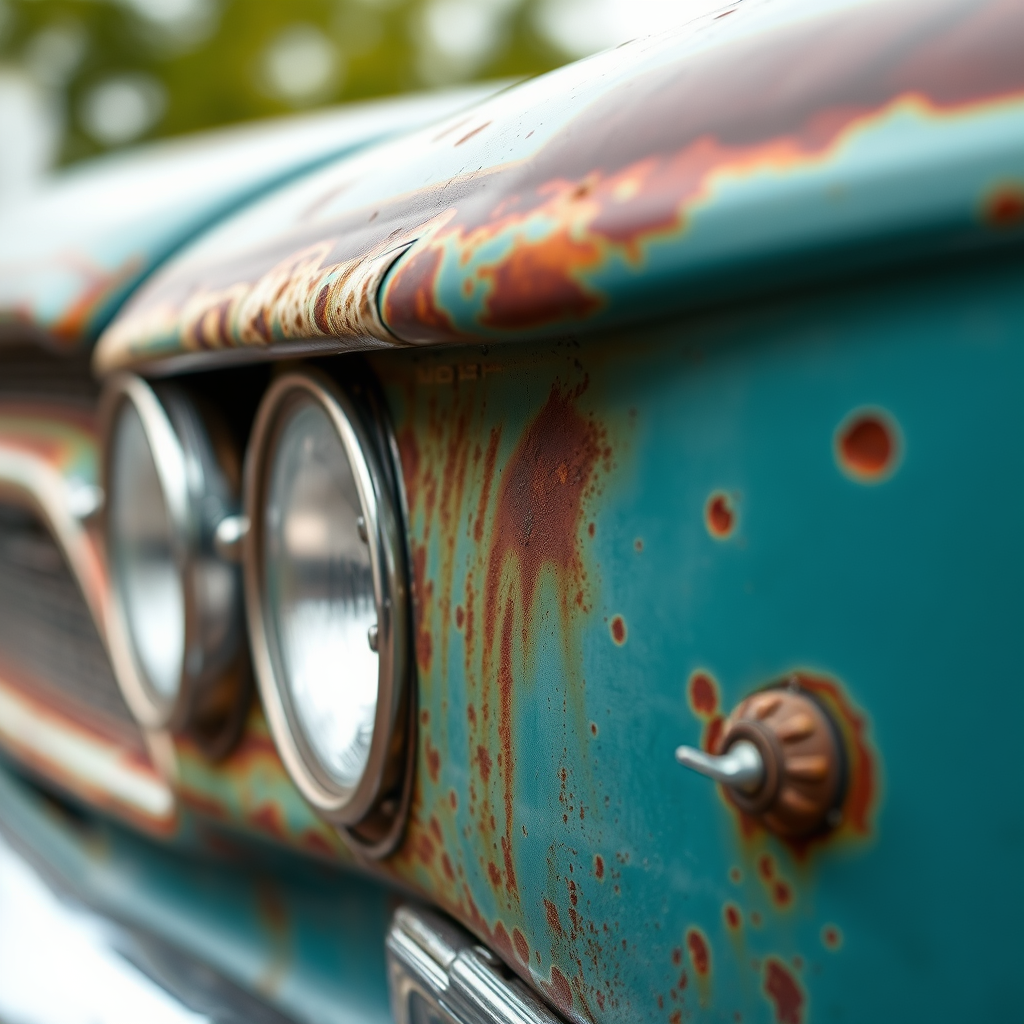
Rust damage is a natural degradation process that affects metal surfaces, commonly found in vehicles. This phenomenon occurs when iron or its alloys react with oxygen and moisture, leading to the formation of iron oxide, commonly known as rust. The presence of moisture—whether from rain, snow, or humidity—accelerates this process, making it a significant concern for vehicle owners, especially in regions with harsh weather conditions.
Most insurance policies explicitly define rust damage as wear and tear, which is generally excluded from coverage. This distinction is crucial because it implies that while your car’s insurance might cover damages from accidents, theft, or vandalism, it does not extend to deterioration due to rust. This understanding is vital for car owners, as it underscores the importance of preventive maintenance to avoid rust-related issues that can compromise the vehicle’s structural integrity and aesthetics.
Types of Car Insurance Coverage
When considering car insurance, it is essential to understand the different types of coverage available and how they apply to rust damage. Comprehensive coverage protects against non-collision-related incidents such as theft, vandalism, fire, and natural disasters. However, rust is often not included in this category, as insurers view it as a gradual deterioration rather than a sudden event. Consequently, vehicle owners must be proactive in maintaining their vehicles to prevent rust from developing.
Collision coverage, on the other hand, focuses solely on damages arising from accidents—whether they involve another vehicle or an object. This type of coverage addresses repair costs from collisions but does not encompass rust-related issues. As such, understanding the limitations of both comprehensive and collision coverage is critical for car owners who wish to safeguard their vehicles against rust damage.
Factors Influencing Coverage
Several factors can influence how insurance companies assess and respond to rust damage claims. The age and condition of the vehicle play a significant role in this assessment. Older vehicles, which may exhibit signs of wear and tear, are often viewed with a more critical eye by insurers. Furthermore, if a vehicle has a history of maintenance neglect, this may affect the likelihood of coverage approval for rust damage.
Some policies may include specific clauses related to maintenance and rust prevention. For instance, certain insurance providers might require proof of regular maintenance and rust prevention measures, such as applying protective coatings or treatments. Understanding the terms and conditions of your policy, including any clauses that pertain to rust, can help you make informed decisions regarding vehicle maintenance and insurance coverage.
Preventing Rust Damage
Preventing rust damage is far more effective than attempting to mitigate its effects after it has developed. Regular washing and waxing are essential practices that can help protect your car‘s paint and the underlying metal from moisture and contaminants that contribute to rust formation. It is advisable to wash your vehicle frequently, especially during winter months when road salt is prevalent, as this can accelerate the rusting process.
Additionally, investing in rust-proofing treatments can provide an extra layer of protection. These treatments typically involve applying a protective sealant to vulnerable areas of the vehicle, such as the undercarriage and wheel wells, where rust is likely to initiate. Regular inspections for chips, scratches, or any signs of corrosion can also help catch potential rust issues before they escalate.
What to Do If You Have Rust Damage
If you discover rust damage on your vehicle, it is crucial to act promptly. Start by documenting the damage thoroughly—take clear photographs and note the extent of the rust. Assessing the situation will help you communicate effectively with your insurance provider if you believe your situation warrants a claim.
Next, consult a professional mechanic or body shop to understand the repair costs and available options. They can provide insights into whether the rust is superficial or if it poses a more significant threat to the vehicle’s integrity. Depending on the severity, you may be able to address minor rust issues yourself, but more extensive damage may require professional intervention.
Alternatives to Insurance Coverage
Given that standard car insurance typically does not cover rust damage, it is wise to consider alternatives to safeguard your vehicle. Regular vehicle maintenance plans can be a proactive approach, specifically addressing rust prevention and routine inspections. These plans often include services such as washing, waxing, and applying rust-proofing treatments, significantly reducing the likelihood of rust development.
Additionally, exploring warranty options or specialized insurance can be beneficial. Some companies offer extended warranties that cover rust damage or specific insurance policies designed to protect against rust and corrosion. Researching these options can provide peace of mind for vehicle owners concerned about rust’s potential impact on their investment.
In summary, car insurance generally does not cover rust damage as it is viewed as a maintenance issue rather than an accident. Understanding the limitations of your insurance policy, combined with proactive rust prevention measures, is essential for maintaining your vehicle’s condition. Regular maintenance and preventive treatments can significantly reduce the risk of rust, ensuring your vehicle remains in optimal condition for years to come. If you’re concerned about rust, consider consulting with a professional or exploring additional coverage options to protect your vehicle effectively.
Frequently Asked Questions
Does car insurance cover rust damage?
Typically, standard car insurance policies do not cover rust damage because it is considered a form of wear and tear rather than a sudden or accidental event. Rust is often the result of prolonged exposure to moisture and lack of maintenance, which insurers regard as preventable. To protect your vehicle from rust, regular maintenance and rust-proofing treatments are advisable.
What types of car insurance might cover rust damage?
While most standard car insurance policies exclude rust damage, specific types of coverage, such as comprehensive insurance, may provide limited protection if the rust leads to a significant loss of vehicle value. Additionally, if rust is caused by a covered peril—like a tree falling on your car—then it may be included in your claim. Always check your policy details and consult with your insurance agent for clarity.
How can I prevent rust damage on my car?
To prevent rust damage, it’s crucial to wash your car regularly, especially during winter months when salt is used on roads. Applying wax can create a protective barrier, while ensuring that any scratches or chips in the paint are promptly repaired will help keep moisture out. Additionally, consider professional rust-proofing treatments as a proactive measure against rust formation.
Why is rust damage not typically covered by insurance?
Rust damage is generally not covered by insurance because it is deemed a maintenance issue rather than an accident. Insurers believe that vehicle owners are responsible for the upkeep of their cars, which includes addressing rust before it becomes a problem. This preventive approach is why most policies explicitly exclude coverage for rust and corrosion.
Which car insurance companies offer better coverage for rust damage?
While most car insurance companies do not cover rust damage as part of their standard policies, some providers might offer additional coverage options or endorsements for corrosion-related issues. Companies known for flexible policies include Geico, Progressive, and State Farm, but it’s essential to read the fine print. Always discuss your specific needs with an insurance agent to find the best coverage for your situation.
References
- 404 – Page not found | III
- ConsumerReports.org – Page not found error – Consumer Reports
- https://www.nolo.com/legal-encyclopedia/auto-insurance-coverage-what-you-need-know-32648.html
- https://www.dmv.org/insurance/what-auto-insurance-covers.php
- https://www.forbes.com/advisor/insurance/car-insurance-coverage/
- https://www.geico.com/information/auto-insurance/faq/coverage/
- https://www.ncbi.nlm.nih.gov/pmc/articles/PMC6592566/



