

While insurance for a pop-up camper isn’t a legal requirement, it is highly recommended to protect your investment and ensure peace of mind while traveling. Pop-up campers, while versatile and more affordable than traditional RVs, can still incur significant costs in the event of an accident, theft, or damage. Having the right insurance not only protects your financial investment but also provides liability coverage, allowing you to enjoy your adventures with confidence. In this article, we’ll explore the importance of insurance, the types of coverage available, and factors to consider when deciding on the right policy for your needs.
Understanding the Importance of Insurance
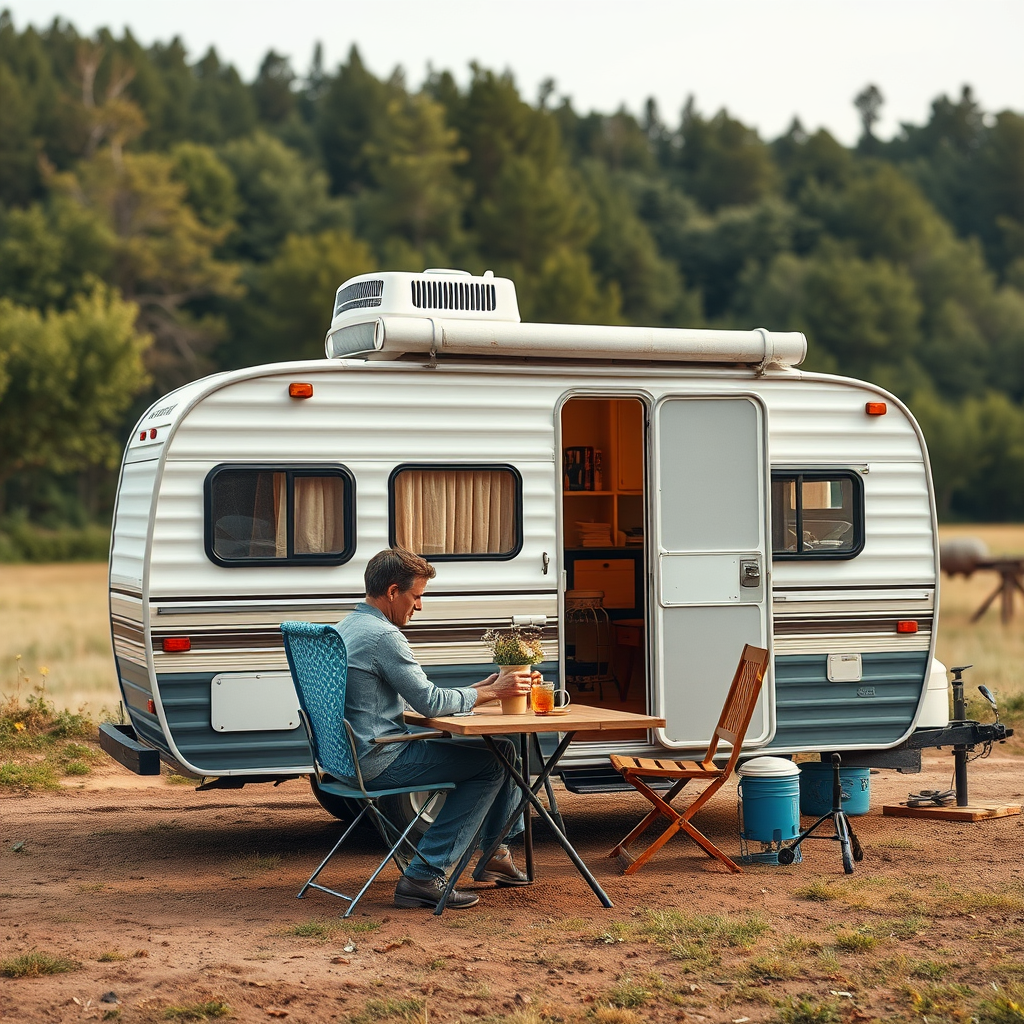
Insurance for your pop-up camper serves as a critical safety net in various scenarios. One of the primary reasons to secure insurance is to protect against theft and damage, both of which can be financially draining. For example, if your pop-up camper is stolen while parked at a campsite or your driveway, the loss can be significant, especially if it is a newer model. Additionally, accidents can happen, and repairs can accumulate quickly. Without insurance, you would be responsible for covering these costs out of pocket.
Liability coverage is another essential component of camper insurance. Should an accident occur involving your camper—whether it’s an accident during towing or if someone is injured while using the camper—you may find yourself facing legal claims. Liability coverage can help pay for medical expenses or property damage to others, protecting you from potentially devastating financial losses.
Types of Insurance Coverage for Pop Up Campers
When considering insurance for your pop-up camper, it’s crucial to understand the various types of coverage available:
– Comprehensive Coverage: This type of insurance covers non-collision incidents, which can include theft, vandalism, fire, and natural disasters such as storms or flooding. For example, if a tree falls on your camper during a storm, comprehensive coverage can help cover the repair costs, giving you peace of mind that you’re protected against unpredictable events.
– Liability Coverage: This is designed to protect you from the costs associated with injuries or damages that occur to others as a result of using your camper. If, for instance, someone trips over your camper’s hitch and is injured, liability coverage can handle medical expenses and potential legal fees, effectively shielding you from financial repercussions.
– Collision Coverage: While not always included, collision coverage is worth considering. It covers damage to your camper resulting from a collision with another vehicle or stationary object. This is particularly useful if you plan to tow your camper frequently, as accidents can happen on the road.
Factors to Consider When Choosing Insurance
Selecting the right insurance policy for your pop-up camper involves several considerations:
– Value of Your Camper: The value of your camper plays a significant role in determining the type of coverage you should obtain. For higher-value campers, it’s prudent to opt for comprehensive coverage to ensure you are fully protected against theft or damage. Conversely, if your camper is older or less valuable, you may choose a more basic policy.
– Usage Frequency: How often you use your camper can also influence your insurance needs. If you’re an avid camper who spends weekends or extended vacations in your pop-up, investing in a more robust policy makes sense. Frequent use increases the likelihood of wear and tear, accidents, or potential claims, making comprehensive coverage more beneficial.
– Storage Conditions: Where and how you store your camper can affect your risk level and, consequently, your insurance. If you store your camper in a secured garage versus an unsecured lot, your risk of theft or damage varies. Some insurers may offer discounts for additional security measures.
Comparing Insurance Providers
Not all insurance providers are created equal, especially when it comes to recreational vehicles like pop-up campers. It’s essential to shop around and compare options thoroughly:
– Look for Specialized Recreational Vehicle Insurance Companies: Some insurers specialize in recreational vehicles and may offer tailored coverage options that general insurers do not. These companies often understand the industry nuances and can provide better support and coverage for your specific needs.
– Read Customer Reviews and Assess the Claims Process: Before committing to an insurer, take the time to read customer reviews, particularly concerning claims handling. A smooth claims process can be crucial during stressful situations following an accident or damage. Look for companies with a reputation for excellent customer service and efficient claims resolution.
Cost of Insurance for Pop Up Campers
The cost of insurance for pop-up campers can vary widely based on several factors:
– Type and Age of the Camper: Newer models typically incur higher premiums due to their increased value. Conversely, older campers may cost less to insure, but the coverage may also be less comprehensive.
– Your Driving History: Insurers often consider your driving record when determining premiums. A clean driving record can lead to lower rates, while a history of accidents or claims may result in higher premiums.
– Location: Your location can also influence insurance costs. Areas with higher rates of theft or accidents may see increased premiums. It’s wise to compare quotes from different providers to find a competitive rate.
To get an accurate picture of costs, gather multiple quotes and ensure you are comparing similar coverages and deductibles.
How to File a Claim
In the unfortunate event of an incident, knowing how to file a claim is essential:
1. Document the Incident: Take photos of any damage and gather information from witnesses or involved parties. This documentation will be vital when filing your claim.
2. Contact Your Insurance Provider: Notify your insurer as soon as possible. Most companies have a dedicated claims line, and it’s crucial to provide them with all relevant information regarding the incident.
3. Follow Up: After filing your claim, stay in communication with your insurance provider to track the status and provide any additional information they may request.
4. Keep Records: Maintain a record of all communications and documentation related to your claim. This will help ensure a smooth claims process and assist if there are any disputes.
Exploring insurance options for your pop-up camper can safeguard your adventures and investment. Consider contacting local insurance agents or using online tools to find the best policy that fits your needs. With the right coverage, you can enjoy your travels with confidence, knowing you are protected against unforeseen events.
Frequently Asked Questions
Do I need insurance for a pop-up camper?
Yes, it’s generally recommended to have insurance for a pop-up camper. While it might not be legally required in every state, insurance can protect you from financial loss due to accidents, theft, or damage. Comprehensive and collision coverage can help cover repairs and replacement costs, ensuring that your camping adventures remain worry-free.
What type of insurance do I need for a pop-up camper?
The best insurance options for a pop-up camper typically include comprehensive coverage, collision coverage, and liability insurance. Comprehensive coverage protects against non-collision incidents like theft or fire, while collision coverage takes care of damages from accidents. Liability insurance is crucial in case you cause damage to someone else’s property or injure someone while using your camper.
How much does pop-up camper insurance cost?
The cost of pop-up camper insurance can vary widely based on factors like the camper’s value, your driving history, and the coverage options you choose. On average, you can expect to pay between $100 to $300 annually for basic coverage. It’s advisable to shop around and get quotes from multiple insurers to find the best policy that fits your budget and coverage needs.
Why is it important to insure a pop-up camper?
Insuring your pop-up camper is important because it provides financial protection against unforeseen events such as accidents, natural disasters, or vandalism. Without insurance, you could face significant out-of-pocket expenses for repairs or replacement. Additionally, having insurance can give you peace of mind while traveling, allowing you to focus on enjoying your camping experience.
Which companies offer the best insurance for pop-up campers?
Some of the top companies that offer insurance for pop-up campers include Progressive, Geico, Allstate, and Nationwide. When choosing an insurer, consider factors like customer service, coverage options, and claims process efficiency. Reading customer reviews and comparing quotes can help you find the best insurance provider that meets your specific needs and offers competitive rates.
References
- Trailer
- https://www.consumerfinance.gov/about-us/blog/understanding-your-insurance-options-for-rvs-and-trailers/
- https://www.nolo.com/legal-encyclopedia/insurance-rv-ownership-29955.html
- https://www.progressive.com/answers/insurance-pop-up-camper/
- https://www.geico.com/information/insurance/rv-insurance/
- https://www.rvsafety.com/faq/faq-insurance/