
Understanding whether you need boat insurance in Colorado is crucial for any boat owner. While it may not be legally required, having insurance is highly recommended to protect your investment and cover potential liabilities. Boat insurance provides a safety net that can save you from significant financial loss in the event of accidents or damages. This article will explore the specifics of boat insurance in Colorado, including the types of coverage available, legal considerations, and the benefits of having a policy.
The Importance of Boat Insurance in Colorado
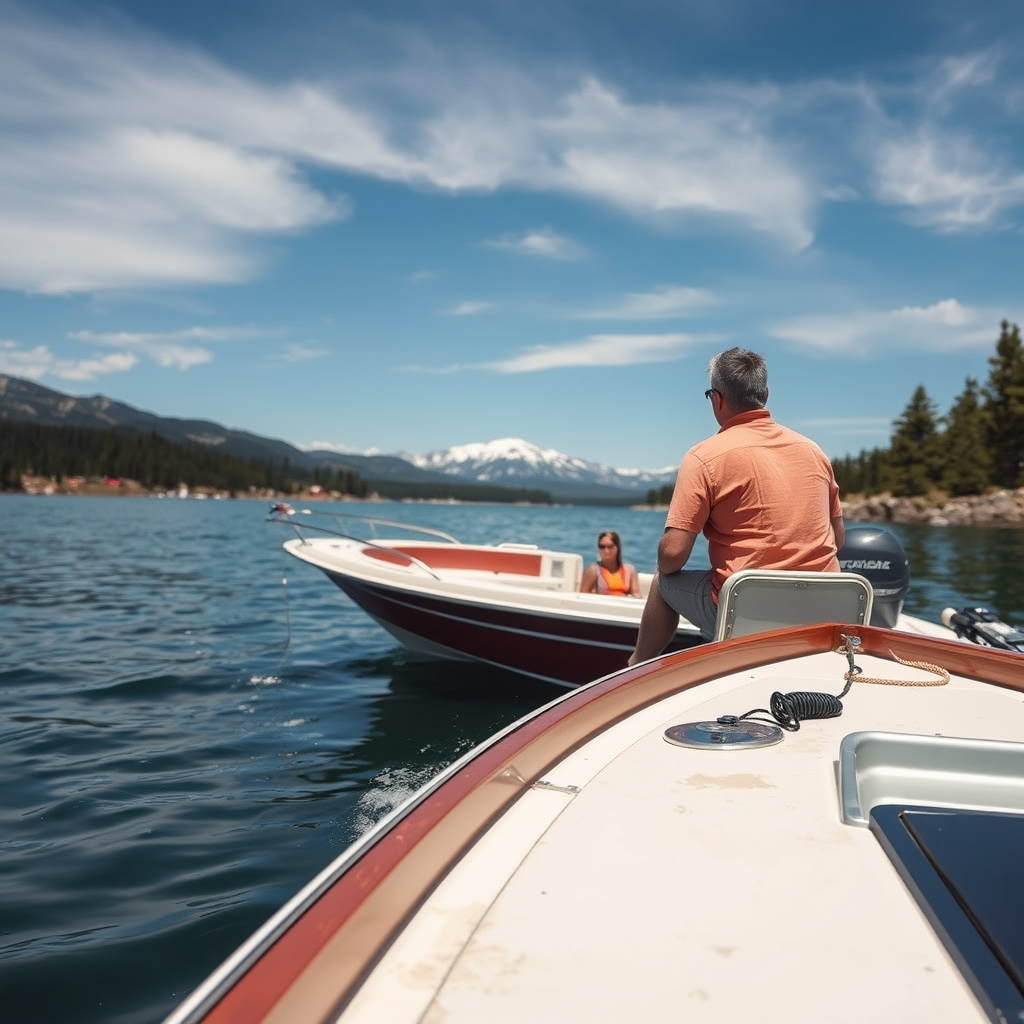
Boat insurance is essential for safeguarding your investment against various risks, including damages, theft, and vandalism. Colorado’s picturesque lakes and rivers attract countless boat owners each year, making it vital to protect your assets. Insurance coverage protects your boat from physical damage due to collisions, adverse weather, or other unforeseen events. Additionally, it covers liability in case of accidents involving other vessels or property. For instance, if you accidentally collide with another boat or injure someone while on the water, liability coverage can help cover legal expenses and damages, ensuring you are not financially devastated by an incident.
Legal Requirements for Boat Insurance
In Colorado, boat insurance is not mandated by law for all boat owners. However, there are specific situations where insurance is legally necessary. For example, if you have financed your boat, your lender may require you to carry insurance as part of the loan agreement. Additionally, certain types of boats, such as those that are larger or more powerful, may have higher insurance expectations. Furthermore, while personal watercraft (like jet skis) are not required to have insurance, having coverage is highly advisable due to their increased risk of accidents. Being informed about Colorado’s boating laws ensures that you are compliant and can avoid potential penalties.
Types of Boat Insurance Coverage Available
When considering boat insurance, it’s crucial to understand the various types of coverage available. The primary coverage options include:
– Liability Coverage: This is the most common type of boat insurance. It protects against claims from injuries or damages that occur as a result of your boating activities. For example, if you accidentally cause injuries to another boater or damage someone else’s property, liability insurance will cover the costs associated with those claims.
– Comprehensive Coverage: This option covers damages not related to collisions, such as theft, vandalism, or damage caused by natural disasters. For instance, if a severe storm damages your boat while docked, comprehensive coverage would help cover repair costs.
– Collision Coverage: This type of insurance specifically addresses damage caused by a collision with another vessel or object, ensuring that you can repair or replace your boat without incurring significant out-of-pocket expenses.
– Uninsured/Underinsured Boater Coverage: This is particularly important in Colorado, where not all boaters carry sufficient insurance. This coverage protects you if you are involved in an accident with a boater who does not have adequate insurance.
Understanding these coverage options allows you to tailor your policy to fit your unique boating needs and risks.
Factors Influencing Boat Insurance Costs
Several factors influence the cost of boat insurance in Colorado. One of the most significant factors is the type and size of the boat. Larger boats typically have higher premiums due to the increased risk and potential repair costs. Additionally, the type of boat—whether it is a motorboat, sailboat, or personal watercraft—can also impact your insurance rates.
Your boating history is another crucial factor. If you have a clean record with no accidents or claims, you are likely to receive lower premiums. Conversely, a history of accidents or claims can lead to higher rates. Furthermore, your location in Colorado can affect costs; for instance, boats used in busy urban areas may attract higher premiums than those used in more rural settings due to the increased likelihood of accidents.
Finally, the coverage limits and deductibles you choose will also play a significant role in your overall insurance costs. Higher coverage limits generally lead to higher premiums, while selecting a higher deductible can lower your monthly payments.
How to Choose the Right Boat Insurance Policy
Selecting the right boat insurance policy requires careful consideration of your specific needs. Here are some tips to guide you through the process:
1. Assess Your Coverage Needs: Consider how you use your boat. If you frequently entertain guests or take long trips, you may need more comprehensive coverage. On the other hand, if you use your boat for occasional outings, a basic policy may suffice.
2. Compare Quotes: It is essential to gather quotes from multiple insurance providers. This practice not only helps you find the best rates but also allows you to compare coverage options and customer service reviews.
3. Read the Fine Print: Before making a decision, carefully read the policy details. Look for any exclusions or limitations that may affect your coverage, and ask your insurance agent for clarification on any points you do not understand.
4. Consider Bundling: If you have other insurance policies, such as auto or home insurance, inquire about bundling options. Many insurers offer discounts if you combine policies, which can lead to significant savings.
By following these steps, you can ensure that you select a boat insurance policy that adequately meets your needs while fitting within your budget.
Common Myths About Boat Insurance
There are several misconceptions surrounding boat insurance that can mislead potential policyholders. Here are a few common myths:
– Myth 1: “Boat insurance is not necessary if I only use my boat occasionally.” This is false; accidents can happen anytime, and even infrequent boaters can face significant financial liabilities.
– Myth 2: “All boat insurance policies are the same.” In reality, coverage options, limits, and exclusions vary widely between providers. It’s essential to compare policies to find one that suits your specific needs.
– Myth 3: “Boat insurance is too expensive.” While costs can vary, many affordable options exist, especially when considering the potential financial risks of being uninsured. Additionally, discounts may be available for safety courses or membership in boating organizations.
– Myth 4: “Personal and commercial boat insurance are the same.” This is not true; commercial boat insurance typically provides broader coverage and is designed for businesses, while personal boat insurance is tailored to individual use.
By debunking these myths, you can make more informed decisions regarding your boat insurance needs.
Steps to Take After an Accident
If you find yourself involved in a boating accident, it is crucial to take immediate actions to protect yourself and your boat:
1. Ensure Safety: First and foremost, check for injuries among all parties involved. If there are any injuries, call for medical assistance immediately.
2. Document the Scene: Take photographs of the damage, the location, and any visible injuries. This documentation can be invaluable when filing a claim.
3. Exchange Information: Gather contact and insurance information from other parties involved in the accident, including witnesses.
4. Notify Your Insurance Company: Report the incident to your insurance provider as soon as possible. Be prepared to provide them with the details of the accident, including your documentation.
5. File a Claim: Follow your insurer’s process for filing a claim. You will likely need to submit the information you gathered, including photographs, witness statements, and any police reports.
By taking these proactive steps, you can mitigate the impact of the accident and ensure that you receive the coverage you need.
Having boat insurance in Colorado might not be mandatory, but it is a wise choice to safeguard yourself and your assets. With the right policy, you can protect against liabilities and unexpected damages while enjoying the beautiful waterways Colorado has to offer. Weigh the benefits of different coverage options, debunk common myths, and consult with insurance professionals to find a policy that suits your needs. Don’t wait—ensure you are protected on the water today!
Frequently Asked Questions
Do I legally need boat insurance in Colorado?
In Colorado, boat insurance is not legally mandated for all watercraft, but it is highly recommended. While some states require liability insurance for certain types of boats, Colorado focuses more on registration requirements. However, having boat insurance can protect you from financial losses related to accidents, property damage, or injuries, making it an essential consideration for responsible boat owners.
What types of coverage are available for boat insurance in Colorado?
Boat insurance in Colorado typically offers several types of coverage, including liability coverage, which protects you if you cause damage to another person or their property; collision coverage, which covers damage to your boat from an accident; and comprehensive coverage, which protects against non-collision incidents like theft or weather damage. Additionally, you can opt for personal property coverage to safeguard your gear and equipment on board.
How much does boat insurance cost in Colorado?
The cost of boat insurance in Colorado varies widely based on factors such as the type and size of the boat, your driving record, and the coverage limits you choose. On average, boat insurance may range from $200 to $600 annually, but higher-end or specialized boats may incur greater premiums. To find the best rates, it’s advisable to compare quotes from multiple insurers and consider bundling policies if you have other insurance needs.
Why should I get boat insurance even if it’s not required in Colorado?
Even though boat insurance is not required by law in Colorado, obtaining coverage provides significant peace of mind and financial security. In the event of an accident, liability claims can be costly, and without insurance, you may be personally responsible for these expenses. Additionally, boat insurance can cover theft or damage to your vessel, safeguarding your investment and ensuring that you can enjoy your time on the water without worry.
Which factors should I consider when choosing a boat insurance policy in Colorado?
When selecting a boat insurance policy in Colorado, consider factors such as the type of boat you own, the frequency of use, and your typical boating environment (lakes, rivers, or the ocean). Evaluate the coverage options available, including liability limits, deductibles, and additional endorsements like towing or personal effects coverage. It’s also wise to review the insurer’s reputation for claims handling and customer service, ensuring you choose a provider that meets your needs effectively.
References
- DORA HOME | Department of Regulatory Agencies
- https://www.nolo.com/legal-encyclopedia/boat-insurance-overview-29764.html
- https://www.insurance.oregon.gov/consumer/boat-insurance.html
- https://www.boat-ed.com/colorado/boating/boat-insurance/
- – NASBLA Connect
- https://www.colorado.gov/pacific/dola/faq-boat-insurance