

Many pop-up camper owners wonder if insurance is necessary for their vehicles. The straightforward answer is yes; while not legally required, having insurance for your pop-up camper is highly recommended. Insurance not only safeguards your financial investment but also provides peace of mind while you’re on the road or enjoying a camping trip. This article will explore the reasons why insurance is beneficial, the types of coverage available, and important factors to consider when insuring your camper.
Understanding the Importance of Insurance
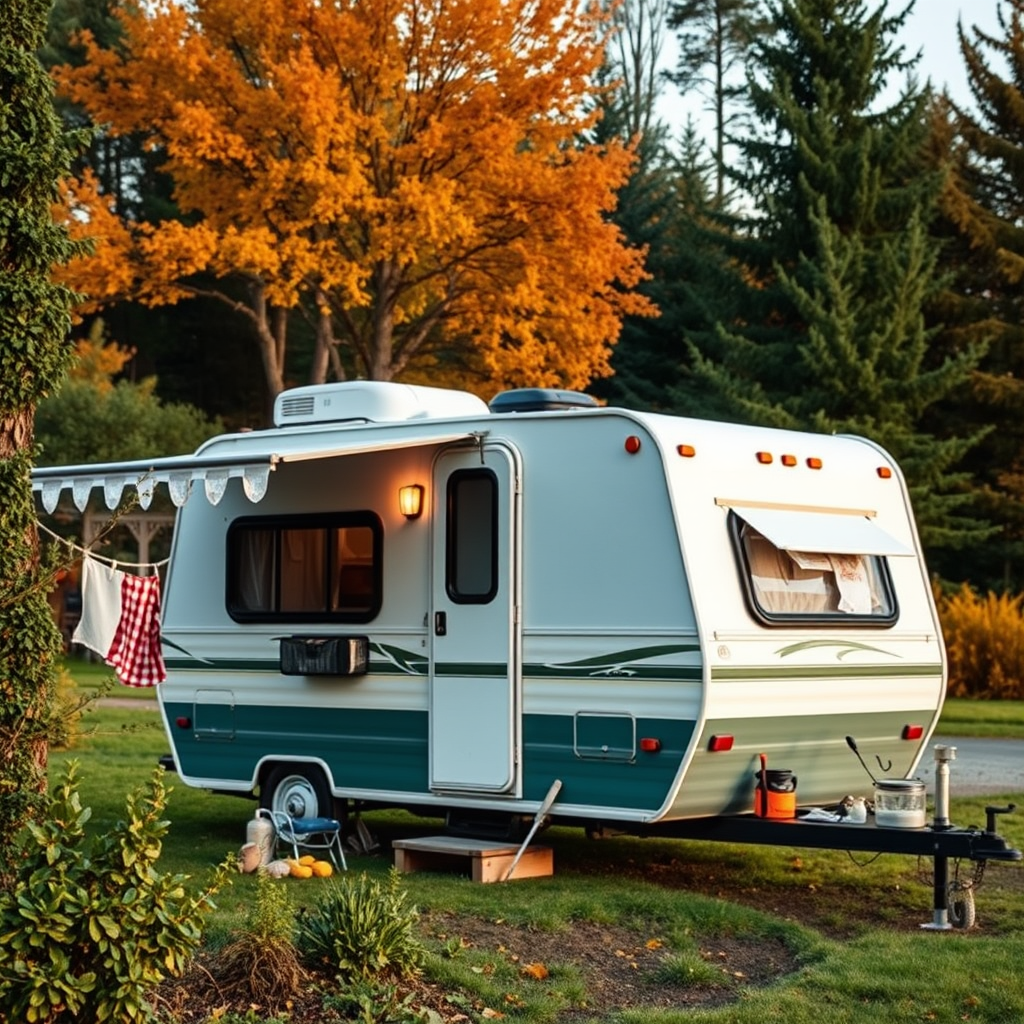
Insurance plays a crucial role in protecting your financial interests and ensuring your safety while traveling with a pop-up camper. First and foremost, it protects against financial loss from accidents or damages that may occur during your travels. Whether it’s a minor fender bender or a major collision, the costs can quickly escalate, and without insurance, you could be left to cover these expenses out of pocket.
Additionally, insurance offers peace of mind while traveling or camping. Knowing that you have coverage allows you to focus on enjoying your trip rather than worrying about potential mishaps. This is especially important for campers who travel to remote locations where access to emergency services may be limited. In essence, having insurance can transform your camping experience from a stressful endeavor into a relaxing escape.
Types of Insurance Coverage for Pop Up Campers
When it comes to insuring your pop-up camper, there are several types of coverage to consider, each serving different purposes:
– Liability Insurance: This is a fundamental type of coverage that protects you financially if you’re found at fault in an accident. It covers damages to other vehicles or property and can also cover medical expenses for injured parties. Given the potential costs associated with accidents, having adequate liability coverage is essential.
– Comprehensive Coverage: While liability insurance protects others, comprehensive coverage shields you from non-collision incidents such as theft, vandalism, or natural disasters. For example, if your pop-up camper is stolen while parked at a campground, comprehensive coverage would help you recover the financial loss. This type of coverage is highly recommended for campers that are stored away from home or frequently used in various locations.
– Collision Coverage: This coverage pays for damages to your camper resulting from a collision with another vehicle or object, regardless of fault. For instance, if you accidentally drive into a tree while maneuvering in a tight campsite, collision coverage would facilitate repairs.
– Uninsured/Underinsured Motorist Coverage: This is particularly useful if you’re involved in an accident with a driver who either doesn’t have insurance or lacks sufficient coverage. It ensures that you are not left to bear the financial burden due to someone else’s negligence.
Understanding these types of coverage can help you tailor your insurance policy to your specific needs and provide comprehensive protection for your pop-up camper.
Factors Influencing Insurance Costs
Various factors can influence the cost of insuring your pop-up camper, making it essential to understand how these elements can affect your premiums:
– Age and Condition of the Camper: Generally, newer campers with advanced safety features may attract lower premiums compared to older models. Similarly, well-maintained campers may be viewed more favorably by insurers, leading to potential discounts.
– Your Driving History: Insurers typically assess your driving record when calculating premiums. A history free from accidents or traffic violations can lead to lower rates, while a record of claims or incidents may increase costs.
– Usage Frequency: If you plan to use your pop-up camper frequently, you may face higher premiums. Insurers might classify your camper as a higher risk if it’s on the road more often. Conversely, occasional users may benefit from lower rates.
– Storage Location: Where you store your camper can also impact insurance costs. Campers stored in secure garages may attract lower premiums compared to those parked in open driveways or less secure areas.
Being aware of these factors can help you make informed decisions about your insurance coverage and potentially lower your costs.
State Requirements and Regulations
The insurance landscape for recreational vehicles, including pop-up campers, varies significantly by state. While most states do not require specific insurance for campers, some may have regulations that mandate liability coverage, especially if you plan to tow your camper on public roads.
For instance, states like California and Texas may have minimum insurance requirements that you must comply with to legally operate your camper. It’s crucial to check local laws and regulations to ensure compliance and avoid potential penalties. Additionally, being aware of state-specific requirements can help you determine the right coverage needed for your situation.
How to Choose the Right Insurance Provider
Selecting the right insurance provider is a critical step in securing the best coverage for your pop-up camper. Here are some strategies to guide you in this process:
– Research and Compare Quotes: Start by gathering quotes from multiple insurance companies. This allows you to compare coverage options, premiums, and customer service ratings. Online comparison tools can simplify this process.
– Look for Specialized Insurers: Some insurers specialize in RV or camper insurance, offering tailored policies that better meet the needs of camper owners. These companies often have a deeper understanding of the unique risks associated with pop-up campers.
– Read Reviews and Testimonials: Take the time to read customer reviews and testimonials about potential insurance providers. Look for feedback regarding claims processes, customer service responses, and overall satisfaction. A provider with a strong reputation can significantly enhance your insurance experience.
– Consult with an Agent: If you feel overwhelmed, consider consulting with an insurance agent who specializes in recreational vehicles. They can provide personalized recommendations based on your specific needs and circumstances.
By taking these steps, you can identify an insurance provider that offers the best coverage and service for your pop-up camper.
Tips for Reducing Insurance Costs
Reducing your insurance costs while maintaining adequate coverage is attainable with strategic approaches. Here are some tips to consider:
– Bundle Insurance Policies: Many insurance companies offer discounts for bundling multiple policies, such as home and auto insurance. If you already have insurance with a particular provider, inquire about bundling options to save on your pop-up camper coverage.
– Increase Deductibles: Opting for a higher deductible can lower your premium payments. However, be sure that you can comfortably cover the deductible amount in the event of a claim. This strategy can be particularly effective if you have a good driving record and don’t expect to file frequent claims.
– Take Advantage of Discounts: Insurers often provide discounts for various reasons, such as completing a safety course or being a member of certain organizations. Always ask your provider about available discounts that may apply to your situation.
– Review Your Coverage Regularly: As your camper ages or your usage patterns change, it’s important to reassess your coverage needs. Regular reviews can help you identify areas where you can adjust your policy to save money.
Implementing these strategies can help you minimize insurance costs without sacrificing essential coverage for your pop-up camper.
Evaluating Your Insurance Needs
Before purchasing insurance for your pop-up camper, it’s essential to evaluate your specific needs. Consider the following factors:
– Frequency and Location of Use: Assess how often and where you plan to use your pop-up camper. If you frequently travel to remote locations or plan to use it year-round, you may require more comprehensive coverage.
– Value of Your Camper: Determine the current market value of your pop-up camper. This will help you decide how much coverage you need to adequately protect your investment. If your camper holds significant value, opting for comprehensive and collision coverage may be wise.
– Personal Risk Tolerance: Consider your comfort level with risk. If you prefer to minimize your exposure to potential losses, investing in more comprehensive coverage might be appropriate. Conversely, if you are willing to take on some risk, you might choose a higher deductible to lower your premiums.
By carefully evaluating these aspects, you can tailor your insurance policy to meet your unique needs, ensuring you have the right level of protection for your pop-up camper.
Having insurance for your pop-up camper is not just a safety net; it’s a smart financial decision that can save you from potential losses. By understanding the types of coverage available and the factors that affect your insurance costs, you can make informed choices that protect both your investment and your adventures. Be proactive and start comparing policies today to find the best coverage for your pop-up camper.
Frequently Asked Questions
Do pop up campers need insurance?
Yes, pop up campers generally need insurance. Just like other types of recreational vehicles, having insurance for your pop up camper can protect you from various risks, including damage, theft, and liability in case of accidents. Many states also require a minimum level of insurance coverage for registered campers, making it essential to check local regulations.
What type of insurance is best for a pop up camper?
The best type of insurance for a pop up camper typically includes comprehensive and collision coverage, which protects against damage from accidents, theft, and natural disasters. Additionally, liability coverage is crucial as it covers any damages you might cause to other vehicles or property while using your camper. It’s also wise to consider personal property coverage for any belongings stored inside the camper.
How much does insurance for a pop up camper typically cost?
The cost of insurance for a pop up camper can vary widely, usually ranging from $100 to $500 per year, depending on factors such as the camper’s value, your driving history, and the coverage options you choose. To get the best rate, it’s advisable to shop around and compare quotes from different insurance providers, as some companies specialize in RV insurance, offering tailored coverage options.
Why is it important to have liability coverage for a pop up camper?
Liability coverage for a pop up camper is crucial because it protects you financially if you are found responsible for injuries or damages to others while operating your camper. Without this coverage, you could face significant out-of-pocket expenses in the event of an accident, which could lead to financial strain. Moreover, many campgrounds and RV parks require proof of liability insurance before allowing you to stay.
Which factors affect the insurance premiums for a pop up camper?
Several factors can influence the insurance premiums for a pop up camper, including the camper’s age, value, and condition, as well as your driving history and claims record. Geographic location also plays a role; areas with higher theft rates or accident statistics may lead to higher premiums. Additionally, the type and amount of coverage you select will directly impact the overall cost of your insurance policy.
References
- Popup camper
- https://www.ncbi.nlm.nih.gov/pmc/articles/PMC7181371/
- What are some ways to start or rebuild a good credit history? | Consumer Financial Protection Bureau
- 404 – Page not found | III
- https://www.nolo.com/legal-encyclopedia/do-i-need-insurance-my-camper-29840.html
- https://www.dmv.ca.gov/portal/handbook/driverhandbook/section2.12/
- https://www.nerdwallet.com/article/insurance/rv-insurance-explained
- https://www.usa.gov/insurance



