

Yes, you need caravan insurance to protect your investment and provide peace of mind during your travels. Caravan insurance is designed to cover damages, theft, and other unexpected incidents, ensuring that you and your belongings are safeguarded while on the road or parked at a site. With the increasing number of caravans on the roads and the inherent risks associated with travel, having insurance is not just a good idea—it’s a necessity. In this article, we will delve into why caravan insurance is important, the various types available, and the critical factors you should consider when selecting the right policy for your needs.
Understanding Caravan Insurance
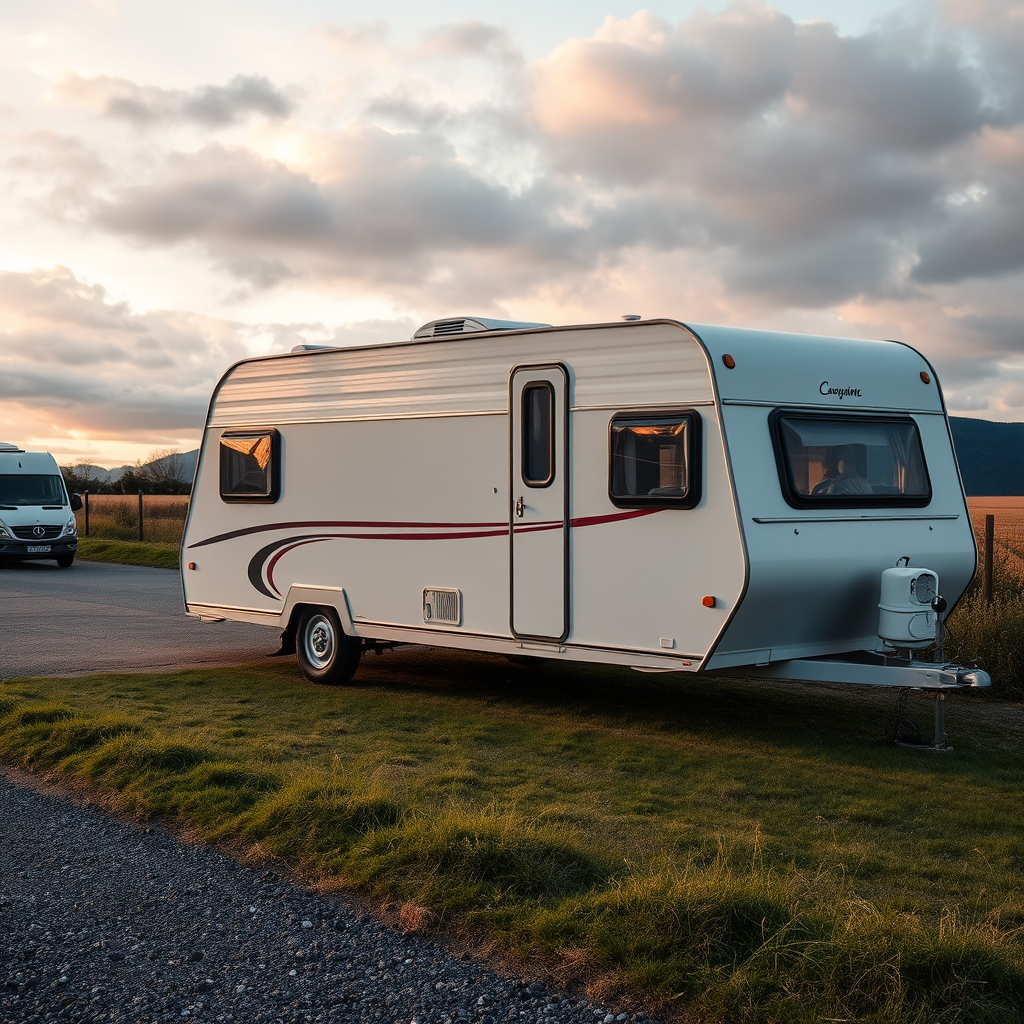
Caravan insurance serves as a financial safety net for caravan owners, protecting against a range of potential issues. This type of insurance typically covers damages resulting from accidents, theft, and vandalism, as well as natural disasters like storms and floods, depending on your policy. Moreover, it can extend its coverage to the contents inside your caravan, such as appliances, personal items, and camping gear, providing comprehensive protection against loss or damage. By having this insurance, caravan owners can enjoy their travels with the reassurance that they are financially protected against unforeseen events, allowing them to focus on creating memorable experiences rather than worrying about potential mishaps.
Legal Requirements for Caravan Insurance
While caravan insurance is not legally mandated in every region, some areas do require at least third-party insurance coverage for caravans. This legal obligation varies from one locality to another, making it essential for caravan owners to familiarize themselves with local laws and regulations regarding insurance. For instance, in Australia, while it is not mandatory to have caravan insurance, third-party property insurance is highly recommended to protect against liability claims. Failing to comply with local insurance laws can result in fines, penalties, or even legal action, underscoring the importance of understanding the insurance landscape wherever you plan to travel. Always check the specific requirements of the regions you intend to visit to ensure compliance and avoid any unwarranted consequences.
Types of Caravan Insurance Policies
When considering caravan insurance, it is essential to understand the different types of policies available. The primary options include comprehensive insurance and third-party insurance.
Comprehensive insurance provides extensive coverage for a variety of incidents, including theft, accidental damage, and even natural disasters. For example, if your caravan is damaged in a storm or if it is stolen, comprehensive insurance can help cover the repair or replacement costs, giving you peace of mind.
On the other hand, third-party insurance is generally more affordable and focuses on covering damages that you might accidentally cause to someone else’s property. For instance, if you accidentally collide with another vehicle while towing your caravan, third-party insurance would cover the damages to that vehicle. However, it does not cover damage to your caravan or its contents, making it less comprehensive than full insurance. Each type of policy has its pros and cons, so it is vital to assess your specific needs and travel habits when selecting the right coverage.
Factors Influencing Insurance Costs
Several factors can impact the cost of your caravan insurance premium, and understanding these elements can help you make informed decisions.
Firstly, the age and value of your caravan play a significant role in determining your premium. Newer caravans with higher market values typically incur higher premiums due to their greater replacement costs. Conversely, older caravans may have lower premiums, but they may also have a higher risk of mechanical failures that could lead to claims.
Moreover, your driving history and claims record are essential considerations. A clean driving record, free from accidents or claims, often results in lower premiums, as insurers see you as a lower risk. Conversely, if you have a history of claims, insurers may categorize you as a higher risk, leading to increased premiums. Additionally, the location where you store your caravan can also influence costs; areas with higher crime rates may lead to higher premiums due to increased theft risks. Understanding these factors allows you to strategize ways to reduce your insurance costs while maintaining adequate coverage.
Choosing the Right Insurance Provider
Selecting the right insurance provider is crucial for ensuring you receive the best coverage and service for your needs. Start by researching multiple insurance companies, comparing their offerings, coverage limits, and premium rates. Look for insurers with a strong reputation in the caravan insurance market, as established providers are often more reliable in terms of claims processing and customer service.
Customer reviews can provide valuable insights into the experiences of other policyholders, helping you gauge the insurer’s reputation. Additionally, consider the claims process offered by each provider; a straightforward and efficient claims process can save you time and stress when you need to file a claim. It is wise to reach out to potential insurers with specific questions about their policies and coverage, ensuring you have all the information you need to make an informed choice.
Common Exclusions in Caravan Insurance Policies
Understanding the common exclusions in caravan insurance policies is crucial to avoid surprises when filing a claim. Many policies may exclude coverage for wear and tear, which is a common concern for older caravans. Damage resulting from lack of maintenance or routine upkeep is typically not covered, so it is vital to keep your caravan in good condition.
Natural disasters may also be excluded or have limited coverage depending on the policy. For example, some insurers may not cover flooding or storm damage unless you purchase additional coverage. Furthermore, specific types of damage, such as those resulting from reckless driving or illegal activities, are usually excluded from standard policies. To ensure you have the right coverage, read the fine print of your policy carefully and ask your insurer for clarification on any exclusions that may apply.
In summary, caravan insurance is essential for protecting your investment and ensuring peace of mind while traveling. By understanding the types of coverage available, the legal requirements in your area, and the factors influencing insurance costs, you can select the best policy for your needs. Always research multiple providers and be aware of common exclusions in policies. Taking these steps will not only help you comply with local regulations but will also enhance your overall travel experience. Don’t delay—get your caravan insured today and embark on your journeys with confidence.
Frequently Asked Questions
Do I really need caravan insurance if I only use my caravan occasionally?
Yes, even if you use your caravan infrequently, having caravan insurance is highly recommended. It protects you against potential damage, theft, or liability claims that could arise while your caravan is in storage or being towed. Without insurance, you could face significant financial losses in the event of an accident or unforeseen circumstances.
What does caravan insurance typically cover?
Caravan insurance generally covers a range of risks, including damage to the caravan itself, theft, fire, and third-party liability. Some policies may also offer coverage for personal belongings inside the caravan, loss of use if your caravan is damaged, and even roadside assistance. It’s important to review policy details to understand the specific coverage options available.
How can I find the best caravan insurance for my needs?
To find the best caravan insurance, start by assessing your specific requirements, such as the value of your caravan and how often you use it. Compare quotes from multiple insurance providers, ensuring you look at coverage options, exclusions, and premiums. Additionally, consider reading customer reviews and checking for any discounts for security features or membership in caravan associations.
Why is third-party liability coverage important in caravan insurance?
Third-party liability coverage is crucial because it protects you from legal claims made by others for injury or damage caused by your caravan. If you were to accidentally cause an accident that results in injury or property damage, this type of insurance can cover the associated costs, which could be financially devastating without it. In many countries, having third-party coverage is a legal requirement for towing a caravan.
Which factors affect the cost of caravan insurance premiums?
The cost of caravan insurance premiums can be influenced by several factors, including the age and value of your caravan, your driving history, and how often you use it. Other considerations include your location, security features of the caravan, and the level of coverage you choose. By understanding these factors, you can make informed decisions to find a policy that provides the best value for your needs.
References
- https://en.wikipedia.org/wiki/Caravan_insurance
- https://www.gov.uk/insurance-for-caravans
- https://www.rac.co.uk/drive/advice/insurance/caravan-insurance/
- https://www.theaa.com/caravan-insurance
- https://www.which.co.uk/reviews/caravan-insurance/article/what-is-caravan-insurance-and-do-you-need-it-a5KUq0I6f7Ls
- https://www.moneyadviceservice.org.uk/en/articles/caravan-insurance



