The GI Bill generally does not directly pay off existing student loans, but it can significantly reduce educational costs for veterans, making it easier to manage debt. By covering tuition and fees for eligible programs, the GI Bill minimizes the financial burden associated with higher education, thereby easing the path to managing student loans. In this article, we’ll explore how the GI Bill works, its benefits, and how it can impact your student loan repayment strategy.
Understanding the GI Bill
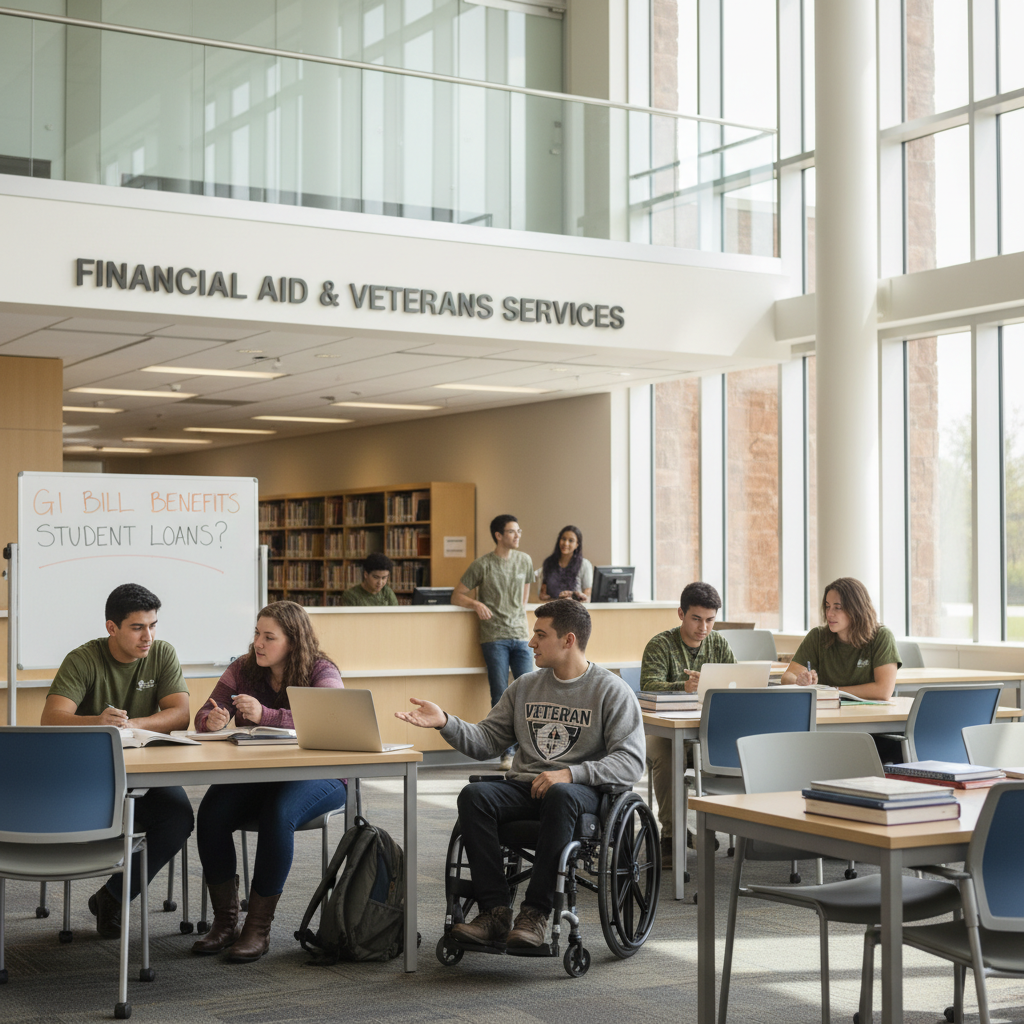
The GI Bill, officially known as the Servicemen’s Readjustment Act of 1944, was designed to assist veterans in reintegrating into civilian life. Over the decades, it has evolved to provide comprehensive financial assistance for education and housing to those who have served in the military. The GI Bill covers a range of educational expenses, including tuition, fees, housing allowances, and stipends for books and supplies. This financial support can significantly reduce the need for student loans, enabling veterans to pursue their educational goals without accumulating excessive debt. Understanding the intricacies of the GI Bill is crucial for veterans seeking to leverage these benefits to their advantage.
Eligibility for the GI Bill
To qualify for the GI Bill, service members must meet specific service requirements, which vary depending on the version of the GI Bill they are applying for. The most commonly utilized program is the Post-9/11 GI Bill, which is available to veterans who served on active duty after September 10, 2001. Eligibility for this bill typically requires a minimum of 90 days of aggregate service, with benefits increasing based on the length of service. The Montgomery GI Bill is another option, which requires service members to pay into the program during their active duty. Each version of the GI Bill has distinct criteria and benefits, so it’s essential for veterans to understand which option best fits their circumstances.
Benefits of the GI Bill
The GI Bill offers a myriad of benefits, making it one of the most valuable educational resources available to veterans. For those who qualify under the Post-9/11 GI Bill, it provides full tuition coverage for in-state public colleges and universities, which can significantly alleviate the financial burden of higher education. Additionally, veterans receive a monthly housing allowance that varies based on location, as well as a stipend for books and supplies, which is currently set at up to $1,000 per academic year. This financial support can drastically reduce the amount of money veterans need to borrow, thereby minimizing future student loan debt and enhancing their overall educational experience.
Using the GI Bill Alongside Student Loans
While the GI Bill does not directly pay off existing student loans, veterans can strategically use its benefits to cover current or future education costs. By utilizing GI Bill benefits to cover tuition and fees, veterans can significantly minimize the need for additional loans. This approach allows them to focus any borrowed funds on living expenses, such as housing or food, rather than on tuition costs. For instance, a veteran attending a public university with a tuition of $10,000 per year may fully cover this expense using GI Bill benefits, leaving them only to consider loans for their living costs. This tactic can effectively reduce the overall debt burden, making it easier to manage monthly repayments once they graduate.
Alternatives for Paying Off Student Loans
For veterans who already hold student loans, there are several alternatives to consider for repayment. Income-driven repayment plans allow borrowers to pay a percentage of their discretionary income towards their loans, which can be advantageous for those entering the workforce with lower initial salaries. Additionally, veterans may qualify for loan forgiveness programs, such as the Public Service Loan Forgiveness (PSLF) program, which forgives remaining loan balances after 120 qualifying payments while working for a qualifying employer. Exploring refinancing options is also a viable strategy, as it can provide lower interest rates and better repayment terms, ultimately reducing the total amount paid over time.
Maximizing GI Bill Benefits
To make the most of the GI Bill, veterans should conduct thorough research to identify schools that participate in the Yellow Ribbon Program. This program allows participating institutions to contribute additional funds to cover tuition and fee expenses that exceed the maximum limits set by the GI Bill. By selecting a Yellow Ribbon participating school, veterans can significantly increase their financial aid package. Furthermore, it is crucial to apply for GI Bill benefits before enrolling to ensure that all potential funding is secured. This proactive approach helps veterans maximize their educational benefits and reduces the likelihood of relying on loans.
Next Steps for Veterans
For veterans interested in utilizing the GI Bill, the first step is to apply for benefits through the Department of Veterans Affairs (VA) website. This process requires gathering necessary documentation, such as service records and personal identification information. After applying, veterans should consult with financial aid advisors at their chosen institution to create a comprehensive financial plan that incorporates GI Bill benefits and any other available financial aid. This collaboration can help veterans better understand their options, allowing them to navigate their educational journey with confidence.
Summarizing, while the GI Bill does not directly pay off student loans, it provides substantial financial support that can reduce educational costs and help manage debt. Veterans should explore all available options, including the GI Bill and other financial aid programs, to effectively navigate their student loan repayment journey. By leveraging these resources and seeking guidance from financial advisors, veterans can position themselves for financial success in their educational endeavors. For more detailed guidance, reach out to your school’s financial aid office or visit the VA’s resources online.
Frequently Asked Questions
Can the GI Bill pay off my existing student loans?
The GI Bill is designed to cover tuition and fees for education programs rather than directly paying off existing student loans. However, if you are a veteran or active-duty service member, the benefits can significantly reduce your future education costs, potentially allowing you to allocate more of your income towards paying off existing loans. Additionally, some veterans may qualify for student loan forgiveness programs based on their military service.
How does the GI Bill affect my eligibility for student loan forgiveness?
Using the GI Bill for your education may impact your eligibility for certain student loan forgiveness programs. For instance, if you receive full tuition coverage through the GI Bill, you may not qualify for Public Service Loan Forgiveness (PSLF) for the same period. It’s crucial to review the specific requirements of the forgiveness program you are considering, as some do allow for partial benefits in conjunction with GI Bill assistance.
What types of education expenses does the GI Bill cover?
The GI Bill covers a wide range of education-related expenses, including tuition and fees for degree programs, non-college degree programs, on-the-job training, apprenticeships, and flight training. It can also cover housing allowances, a stipend for books, and supplies. Understanding these covered expenses can help you maximize your benefits and minimize your out-of-pocket costs.
Why should veterans consider using the GI Bill instead of student loans?
Veterans should consider using the GI Bill over student loans because it provides substantial financial support without the burden of repayment. Unlike student loans that accumulate interest and must be paid back, the GI Bill can cover full tuition for eligible programs at public colleges and universities. This not only eases financial stress but also allows veterans to focus on their studies without the worry of accruing debt.
Which benefits of the GI Bill are most useful for managing educational costs?
The most useful benefits of the GI Bill for managing educational costs include the coverage of tuition and fees, a monthly housing allowance, and a stipend for books and supplies. These benefits can significantly reduce the financial burden of higher education, allowing veterans and their families to pursue their academic goals without the anxiety of student debt. Additionally, the flexibility of the GI Bill can be advantageous for part-time students or those attending vocational training programs.
References
- About GI Bill Benefits | Veterans Affairs
- https://www.thebalance.com/gi-bill-and-student-loans-4178286
- https://www.ed.gov/news/press-releases/education-department-announces-new-steps-support-students-and-borrowers-gi-bill
- https://www.military.com/education/gi-bill-education-benefits.html
- https://www.nasfaa.org/news-item/17830/gi-bill-benefits-for-student-loan-repayment
- https://www.militaryonesource.mil/military-life-cycle/new-to-the-military/gi-bill/
- Get help with child care costs and learn about Head Start | USAGov
- https://www.milkingit.com/what-you-need-to-know-about-the-gi-bill-and-student-loans/