

DACA students can access certain types of loans, but options may be limited compared to citizens and permanent residents. This article will explore the various loan possibilities available for DACA recipients, including federal, private, and institutional loans, as well as key eligibility criteria and application processes. Understanding your financial options is crucial for navigating the complexities of funding your education.
Understanding DACA and Its Impact on Financial Aid
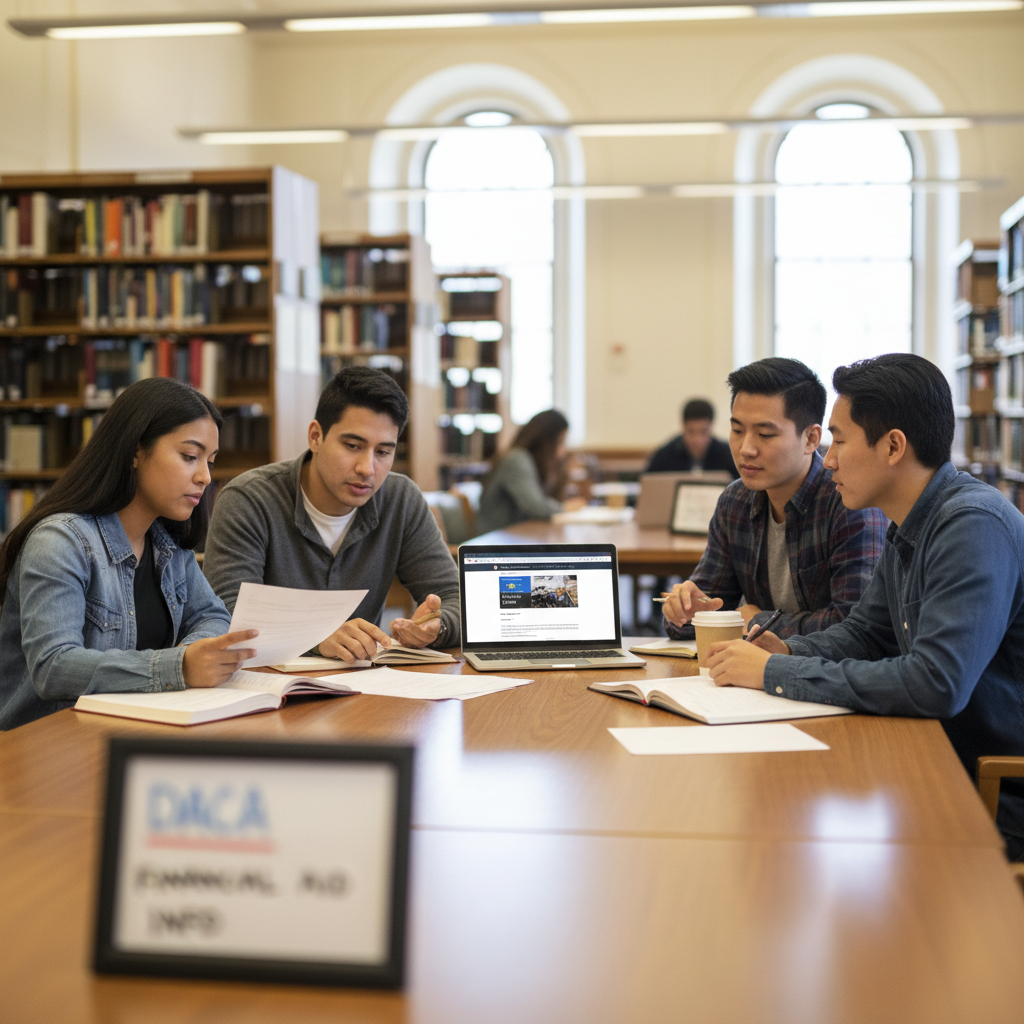
DACA, or Deferred Action for Childhood Arrivals, is a program established in 2012 that provides temporary protection from deportation for certain undocumented individuals who came to the United States as children. While DACA allows recipients to work legally and obtain a driver’s license in many states, it does not confer legal immigration status. This lack of legal status significantly impacts DACA students’ eligibility for financial aid. Unlike U.S. citizens and lawful permanent residents, DACA students are often ineligible for federal financial aid programs, including federal student loans and Pell Grants. Consequently, DACA students must explore alternative funding sources to finance their higher education.
Federal Loans and DACA Students
When it comes to federal student loans, DACA students face a considerable barrier. The U.S. Department of Education stipulates that only citizens and eligible non-citizens can access federal student loans, which include Direct Loans, PLUS Loans, and Pell Grants. As a result, DACA students are typically ineligible for these forms of financial aid. However, some states have recognized the challenges faced by undocumented students and have developed programs that offer financial assistance or loans to individuals with DACA status. For example, California has established the California Dream Act, which allows eligible undocumented students to apply for state financial aid and scholarships. Investigating state-specific programs can be a valuable step for DACA students seeking financial support.
Private Loan Options for DACA Recipients
Private loans represent another avenue for DACA students to secure funding, though they come with their own set of challenges. Many private lenders, including banks and credit unions, have begun to offer loans to DACA recipients. However, the terms and conditions of these loans can vary widely. DACA students may face higher interest rates compared to their peers who are U.S. citizens or permanent residents. Additionally, many private lenders require a co-signer who is a U.S. citizen or lawful permanent resident to qualify for a loan. This requirement can be a significant hurdle for some DACA students, as not everyone has access to a suitable co-signer. To maximize their chances of securing a loan, DACA students should shop around and compare offers from multiple lenders, carefully reviewing the interest rates, repayment terms, and any associated fees.
Institutional Financial Aid Programs
In addition to federal and private loan options, some colleges and universities offer financial assistance specifically designed for DACA students. Many institutions understand the financial challenges faced by undocumented students and have established scholarships or loan programs tailored to their needs. For instance, schools like the University of California system have programs that provide support to undocumented students, including those with DACA status. It is essential for DACA students to research individual school policies regarding financial aid and to reach out to financial aid offices for guidance. These offices can provide insights into available scholarships, grants, and any institutional loans that may be accessible.
Alternative Funding Sources
Beyond loans, DACA students can explore alternative funding sources to help finance their education. Numerous nonprofit organizations and community foundations offer scholarships specifically for undocumented students, including those with DACA status. Organizations such as TheDream.US and the Hispanic Scholarship Fund provide financial assistance to DACA recipients pursuing higher education. Additionally, crowdfunding platforms like GoFundMe and peer-to-peer lending services can serve as alternative means of raising funds. DACA students can leverage these platforms to share their educational aspirations and seek financial support from their networks. Engaging in community fundraising efforts can provide both financial assistance and strengthen community ties.
Tips for Applying for Loans as a DACA Student
Applying for loans as a DACA student requires careful preparation and organization. To improve the chances of approval, DACA students should gather all necessary documentation before beginning the application process. This documentation may include proof of DACA status, academic transcripts, and evidence of enrollment in a degree program. Additionally, it is advisable to develop a clear understanding of one’s financial needs and create a budget. Consulting a financial advisor or reaching out to a college financial aid office can also provide personalized guidance. These professionals can assist in navigating the complexities of loan applications and help DACA students identify the best funding sources tailored to their specific circumstances.
DACA students face unique challenges when seeking loans, but there are options available. By understanding the landscape of financial aid, exploring private lending, and taking advantage of institutional resources, DACA recipients can find ways to finance their education. If you’re a DACA student, start researching your options today and take the first step towards securing the financial support you need. With the right information and resources, achieving your educational goals is within reach.
Frequently Asked Questions
Can DACA students qualify for federal student loans?
No, DACA (Deferred Action for Childhood Arrivals) students are not eligible for federal student loans as these loans are restricted to U.S. citizens and eligible non-citizens. However, DACA students may explore private student loans from banks or credit unions, which might not have the same restrictions as federal loans, although eligibility requirements can vary significantly.
What types of loans are available for DACA students?
DACA students can apply for private student loans, which are offered by various financial institutions, and some state-specific programs may also provide funding. Additionally, some community colleges and universities have their own financial aid resources that may cater specifically to undocumented students, including scholarships and grants that do not require citizenship.
How can DACA students improve their chances of getting a private loan?
To improve their chances of securing a private loan, DACA students should maintain a good credit score and have a steady income or a co-signer with strong credit. Researching different lenders, comparing interest rates, and understanding the terms of the loan is essential. Additionally, gathering all necessary documentation, such as proof of income and school enrollment, can help streamline the application process.
Why might DACA students face challenges when applying for loans?
DACA students may encounter challenges when applying for loans due to their undocumented status, which can limit their access to federal financial aid and certain private lending institutions. Furthermore, not all lenders are familiar with DACA regulations, leading to potential misunderstandings during the application process. This uncertainty can contribute to higher interest rates or stricter lending criteria.
Which resources can DACA students use to find financial aid options?
DACA students can utilize various resources to find financial aid options, including educational institutions that offer dedicated services for undocumented students, such as scholarships and grants. Websites like the Mexican American Legal Defense and Educational Fund (MALDEF) and the National Immigration Law Center provide valuable information and resources. Additionally, local community organizations often have programs specifically designed to assist undocumented students in securing financial support.
References
- https://www.ed.gov/news/press-releases/fact-sheet-dreamers-and-daca-students
- https://www.thecollegeinvestor.com/31700/daca-students-loans/
- https://www.nasfaa.org/news-item/24734/2023-2024_Federal_Student_Aid_Eligibility_for_DACA_Students
- https://www.nichd.nih.gov/health/topics/daca/Pages/default.aspx
- https://www.higheredtoday.org/2021/03/01/daca-students-financial-aid-access-challenges/
- https://www.cnbc.com/2021/02/24/daca-students-cant-get-federal-loans-here-are-your-options.html