

Yes, you can purchase land with a VA loan, provided you meet certain eligibility requirements and understand the types of land you can buy. VA loans are primarily designed for veterans and active-duty service members to acquire homes, but they can also be used for purchasing land. This article will explore the specific criteria, types of land eligible for purchase, the application process, and some tips for a successful transaction.
Eligibility Requirements for VA Loans
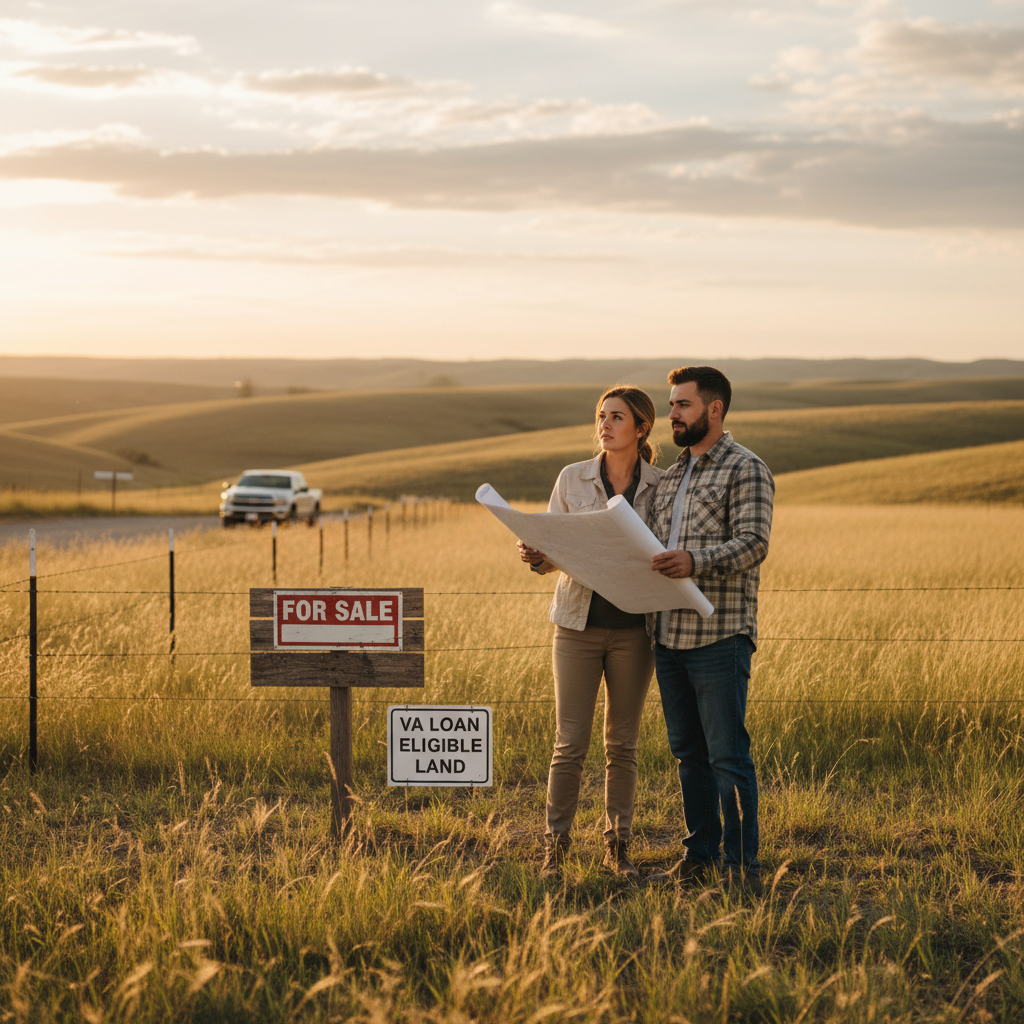
To qualify for a VA loan, you must meet specific eligibility criteria. First and foremost, you need to be an eligible veteran, active-duty service member, or a qualifying member of the National Guard or Reserves. The Department of Veterans Affairs (VA) requires a valid Certificate of Eligibility (COE) to demonstrate your entitlement to a loan. You can obtain this certificate through the VA’s eBenefits portal, your lender, or by mailing a completed VA Form 26-1880.
Additionally, while VA loans do not require a down payment in many cases, lenders may impose their own credit and income standards. Typically, a credit score of at least 620 is desirable, but some lenders may consider lower scores if other aspects of your financial profile are strong. It’s important to gather your financial documents, including income statements and tax returns, to demonstrate your ability to repay the loan.
Types of Land You Can Purchase
When considering a land purchase using a VA loan, it’s essential to understand the different types of land available.
1. Raw Land: This is undeveloped land with no utilities or infrastructure, often requiring a higher down payment and stricter guidelines. Because raw land appraisals can be challenging, lenders might see this as a riskier investment, leading to higher interest rates or additional requirements.
2. Improved Land: This includes parcels that have utilities, road access, and other necessary infrastructure. Improved land is generally easier to finance with a VA loan, as it is more likely to hold its value and can be developed immediately.
3. Construction Loans: If you plan to build a home on the land, you may consider a construction loan. VA loans can cover both the purchase of the land and the construction costs. This option allows you to finance the entire project under one loan, simplifying the process.
Understanding the nuances of these land types can help you make an informed decision about your purchase and financing options.
Navigating the VA Loan Application Process
The VA loan application process can be straightforward when you know what to expect. Start by gathering the necessary documentation, including proof of income (like pay stubs or tax returns), your credit history, and your Certificate of Eligibility (COE). Having these documents at the ready will expedite the application process.
Next, it’s crucial to choose a lender experienced with VA loans. Not all lenders are familiar with the specific requirements of VA financing, and working with one who is can lead to a smoother process and better guidance throughout your purchase.
Once you have chosen a lender, complete the application and be prepared to work closely with them. They may require additional documentation or information to proceed. Stay proactive and communicative to ensure that any potential issues are addressed promptly.
Understanding Loan Limits and Funding Fees
It is essential to be aware of the VA loan limits that may apply based on your location and the date of your purchase. While there are no limits on the amount you can borrow with a VA loan, lenders may have their own thresholds, especially for properties that exceed the conforming loan limits set by the Federal Housing Finance Agency (FHFA).
In addition to loan limits, VA loans typically require a funding fee, which varies depending on your service history and down payment amount. This fee is a one-time charge that helps to sustain the VA loan program and can be financed into the loan amount. For first-time users of the VA loan benefit, the funding fee can range from 1.4% to 3.6%, and it is crucial to factor this into your overall budget.
Tips for a Successful Land Purchase
To enhance your chances of a successful land purchase with a VA loan, consider the following tips:
– Research the Land: Investigate the property’s zoning regulations and land use restrictions. Understanding what you can and cannot do with the land is vital for your long-term plans.
– Evaluate Resale Value: Consider the potential resale value of the land and its future development prospects. Purchasing land in an area poised for growth can yield significant returns on investment.
– Get Pre-Approved: Before you start your search, getting pre-approved for a loan can strengthen your negotiating position. It shows sellers that you are a serious buyer and can expedite the purchase process.
– Consult with Professionals: Engage with real estate agents and land appraisers who are familiar with VA loans. Their expertise can help you navigate the complexities of purchasing land.
Common Challenges and Solutions
Purchasing land with a VA loan can present unique challenges. One common issue is the difficulty in appraising raw land. Lenders often require an appraisal to determine the land’s value, and if the appraisal comes in lower than expected, it could complicate financing. To mitigate this risk, consider working with an appraiser who has experience with VA loans and understands the nuances of land valuation.
Another challenge is the potential for longer closing times, especially if purchasing undeveloped land. The financing process may take longer due to additional assessments and inspections required by lenders. Being prepared for this possibility can help manage your expectations and reduce stress during the transaction.
In summary, while it is possible to purchase land with a VA loan, understanding the eligibility requirements, types of land, and application process is crucial. If you’re considering this path, start by gathering your documents, researching potential properties, and reaching out to a lender experienced with VA loans to get the process underway. By being well-informed and proactive, you can turn your vision of landownership into a reality.
Frequently Asked Questions
Can I purchase land with a VA loan?
Yes, you can purchase land with a VA loan, but there are specific criteria you must meet. The VA loan program allows for the purchase of vacant land, but it must be intended for the construction of a home that will be your primary residence. Additionally, the land must meet the VA’s eligibility requirements, so it’s essential to work with a lender experienced in VA loans to ensure compliance.
What types of land can I buy using a VA loan?
You can buy several types of land with a VA loan, including residential lots for building a home, and in some cases, agricultural land if the plans involve constructing a residence. However, the land must be suitable for building and meet local zoning laws. It’s advisable to consult with a VA-approved lender to confirm the specific types of land eligible for financing under the VA loan program.
How do I qualify for a VA loan to purchase land?
To qualify for a VA loan for land purchase, you must meet certain eligibility criteria, including having served in the military and obtaining a Certificate of Eligibility (COE). Additionally, you need to demonstrate sufficient income and creditworthiness to support the loan. Working closely with a knowledgeable lender can help clarify the documentation needed and streamline the qualification process.
Why should I consider using a VA loan to buy land?
Using a VA loan to buy land offers several advantages, including no down payment requirements and competitive interest rates. This can make homeownership more accessible for veterans and active-duty service members. Furthermore, VA loans do not require private mortgage insurance (PMI), which can save you money over the life of the loan, allowing you to invest more in your new home.
What are the potential drawbacks of purchasing land with a VA loan?
While purchasing land with a VA loan has benefits, there are potential drawbacks to consider. One major concern is that lenders may impose stricter appraisal and inspection requirements, which can complicate the buying process. Additionally, if you plan to build on the land, you may need to secure a construction loan afterward, which can involve additional paperwork and financial planning. Always weigh the pros and cons before making such an investment.
References
- 404 – Page Not Found – Veterans Benefits Administration
- VA-Backed Veterans Home Loans | Veterans Affairs
- https://www.consumerfinance.gov/ask-cfpb/can-i-use-a-va-loan-to-buy-land-or-a-lot-which-i-will-build-on-en-1986/
- https://www.nolo.com/legal-encyclopedia/va-home-loans-how-they-work-29807.html
- https://www.usda.gov/topics/farmers-markets/faq-what-are-farmers-markets
- https://www.hud.gov/program_offices/housing/sfh/va
- https://www.investopedia.com/terms/v/va-loan.asp
- https://www.military.com/join-armed-forces/va-home-loans.html
- https://en.wikipedia.org/wiki/Veterans_Administration_loan