

Grad students are generally not eligible for subsidized loans, as these loans are primarily available to undergraduate students. Understanding the types of financial aid available to graduate students, including unsubsidized loans and alternative funding options, is crucial for navigating your financial support during your studies. This article will explore the loan options available to grad students and provide insights into how to maximize your financial aid.
Understanding Subsidized vs. Unsubsidized Loans
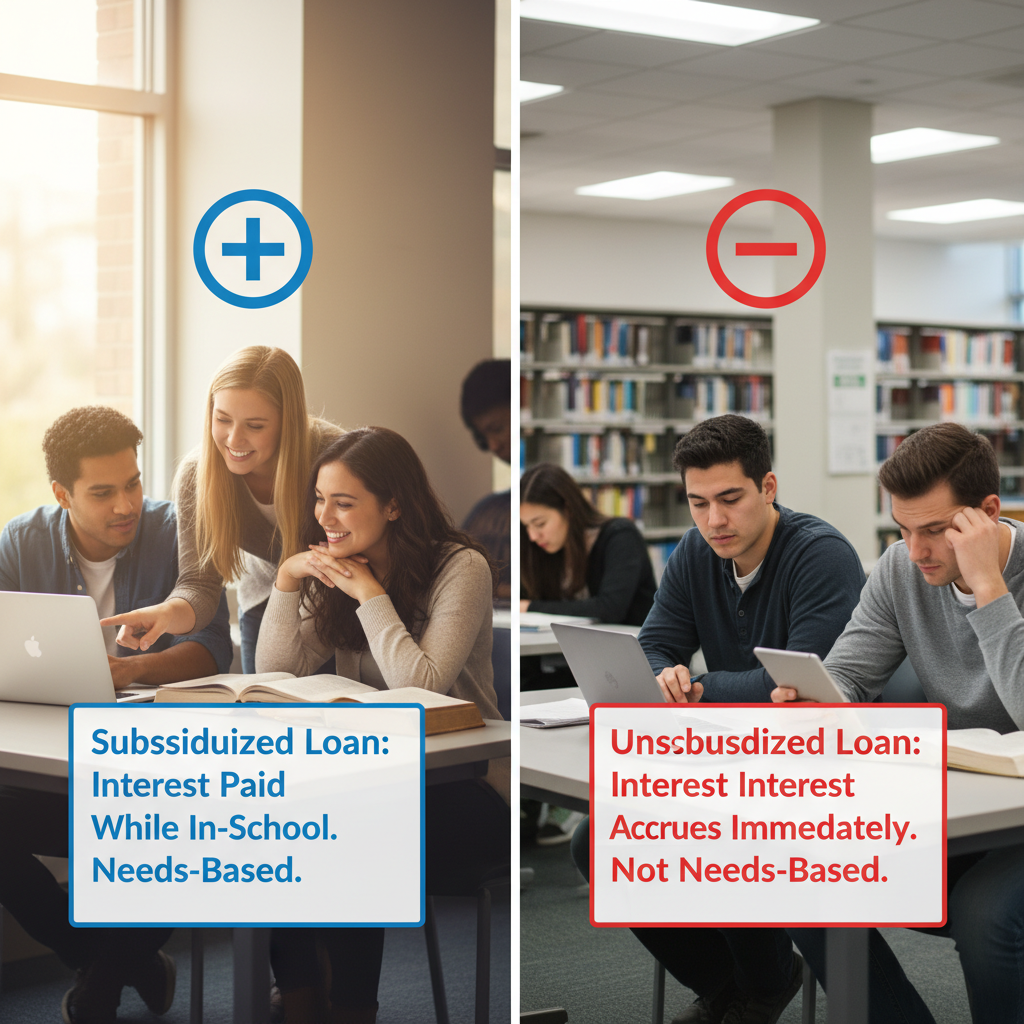
Subsidized loans are a type of federal student loan that is awarded based on financial need. One of the key benefits of subsidized loans is that they do not accrue interest while the borrower is enrolled in school at least half-time, during the grace period, or during deferment periods. This makes them an attractive option for undergraduates who may face financial constraints.
On the other hand, unsubsidized loans are available to all students, including graduate students, regardless of financial need. Unlike subsidized loans, interest begins to accrue on unsubsidized loans as soon as the funds are disbursed. This means that graduate students who take out unsubsidized loans will accumulate interest over the course of their studies, which can lead to higher overall repayment amounts when they enter repayment. It is essential for graduate students to understand these differences, as the implications for long-term financial health can be significant.
Eligibility Criteria for Subsidized Loans
Subsidized loans, specifically Federal Direct Subsidized Loans, are only offered to undergraduate students who demonstrate financial need based on the information provided in the Free Application for Federal Student Aid (FAFSA). The eligibility is determined by the student’s cost of attendance, expected family contribution, and enrollment status.
Graduate students, however, typically do not qualify for subsidized loans due to the federal guidelines that restrict this type of financial aid. Instead, they are encouraged to explore other forms of financial aid, such as unsubsidized loans, Graduate PLUS Loans, and various scholarships or grants. While this can be disappointing, understanding the available resources can help graduate students effectively fund their education without overwhelming debt.
Types of Loans Available for Graduate Students
For graduate students, the most common federal loan options include:
1. Federal Direct Unsubsidized Loans: These loans are accessible to graduate students regardless of financial need. As of the 2023-2024 academic year, the maximum amount a graduate student can borrow through unsubsidized loans is $20,500 per academic year. The interest rate on these loans is fixed, which provides some stability in repayment planning.
2. Graduate PLUS Loans: This type of loan is credit-based and can cover any expenses not met by other financial aid, including tuition, room and board, and living expenses. The maximum amount you can borrow is determined by the cost of attendance minus any other financial aid received. Graduate PLUS Loans come with a higher interest rate than unsubsidized loans and also require a credit check, making them a viable option for students with strong credit histories.
These loan options can help bridge the financial gap in graduate education, allowing students to focus on their studies rather than financial stress.
Other Financial Aid Options for Grad Students
In addition to federal loans, there are several other financial aid options available to graduate students:
– Fellowships and Assistantships: Many universities offer graduate assistantships, which may include teaching or research responsibilities in exchange for tuition remission and a stipend. Fellowships, often awarded based on merit or specific research interests, can provide significant financial support without the requirement of work obligations.
– Scholarships: Various organizations and institutions offer scholarships specifically for graduate students. These can be based on academic merit, field of study, or demographic factors. Researching and applying for these scholarships can help reduce the overall cost of education.
– Grants: Some graduate programs may also have grant opportunities, which do not require repayment. These might be funded by the university or outside organizations and can provide additional financial relief.
Exploring these alternatives is vital to creating a comprehensive financial strategy for graduate studies.
How to Apply for Graduate Loans
To access federal financial aid, including unsubsidized loans and Graduate PLUS Loans, graduate students must complete the Free Application for Federal Student Aid (FAFSA). This application helps determine eligibility for various types of financial aid based on the student’s financial situation and the cost of their program.
In addition to completing the FAFSA, students should actively research their university’s financial aid offerings, including scholarships and assistantships. Many universities have dedicated resources and advisors to help students navigate these options. Applying for institutional aid often requires separate applications, so staying organized and proactive is essential.
Tips for Managing Graduate School Debt
As grad students take on loans, developing a solid strategy for managing debt is crucial:
– Create a Budget: Tracking expenses and income is vital for understanding financial health. A clear budget can help students identify areas where they can save money, making it easier to manage living costs while in school.
– Understand Repayment Plans: Familiarize yourself with the various repayment options available after graduation. Federal student loans offer different plans, including income-driven repayment plans that adjust monthly payments based on income, which can provide relief for those entering lower-paying positions after completing their degree.
– Stay Informed: Keep abreast of any changes in federal student loan policies, interest rates, and repayment options. This knowledge can empower students to make informed decisions about their financial future.
Navigating the financial landscape of graduate school can be challenging, but being informed and proactive can help students manage their debt effectively.
Grad students may not have access to subsidized loans, but they do have several alternatives for financing their education. By exploring federal loans, scholarships, and other funding options, you can secure the financial support needed to succeed in your graduate studies. Be proactive in researching and applying for these resources to minimize your debt and ensure a smooth educational journey. Understanding your options is the first step towards a successful and financially responsible graduate experience.
Frequently Asked Questions
Can graduate students qualify for subsidized loans?
Graduate students are generally not eligible for subsidized loans. Subsidized loans are primarily available to undergraduate students who demonstrate financial need. Instead, graduate students can access unsubsidized loans, which do not require demonstrating financial need, but interest begins accruing as soon as the loan is disbursed.
What are the differences between subsidized and unsubsidized loans for grad students?
The main difference between subsidized and unsubsidized loans lies in the interest accrual. Subsidized loans do not accrue interest while the borrower is in school, whereas unsubsidized loans start accruing interest immediately after disbursement. This means that for graduate students, relying on unsubsidized loans can lead to higher overall costs due to accumulated interest over time.
How can grad students finance their education without subsidized loans?
Graduate students can finance their education through various options besides subsidized loans. They can apply for unsubsidized federal loans, seek private loans, explore scholarships and grants, or consider work-study programs. Additionally, some graduate programs offer assistantships that provide tuition waivers along with a stipend, which can significantly reduce education costs.
Why are subsidized loans not available for graduate students?
Subsidized loans are not available for graduate students primarily because these loans are designed to assist those who are in the early stages of their education and may have limited financial resources. The federal student loan program aims to prioritize funding for undergraduate education, where students tend to face a greater need for financial assistance compared to graduate students, who often have more advanced career prospects and earning potential.
Which types of loans should grad students consider for their education?
Graduate students should consider several types of loans for financing their education. Unsubsidized federal loans are a common choice, as they offer lower fixed interest rates compared to private loans. Additionally, grad students may want to explore Grad PLUS loans, which are federal loans available to graduate or professional students and can cover up to the total cost of attendance minus any other financial aid received. It’s important to compare terms and interest rates between federal and private loan options to find the best fit.
References
- Federal Student Aid
- https://www.nslds.ed.gov/nslds_SA/
- https://www.ed.gov/offices/OSFAP/Students/grad.html
- https://www.washington.edu/gradstudies/financing/loans/
- https://www.law.georgetown.edu/admissions/financial-aid/types-of-financial-aid/loans/
- https://www.nasfaa.org/Grad_Loans
- https://www.thebalance.com/understanding-graduate-student-loans-4171795
- https://www.insidehighered.com/admissions/article/2020/06/19/federal-loans-graduate-students-will-have-different-requirements
- https://www.nerdwallet.com/article/loans/student-loans-graduate-students