

To successfully prove that damage to your property is caused by lightning, you need to gather substantial evidence that supports your claim. This process involves identifying the signs of lightning damage, meticulously documenting the extent of the damage, and effectively communicating with your insurance company. By following a structured approach, you can enhance your chances of a successful insurance claim.
Understanding Lightning Damage
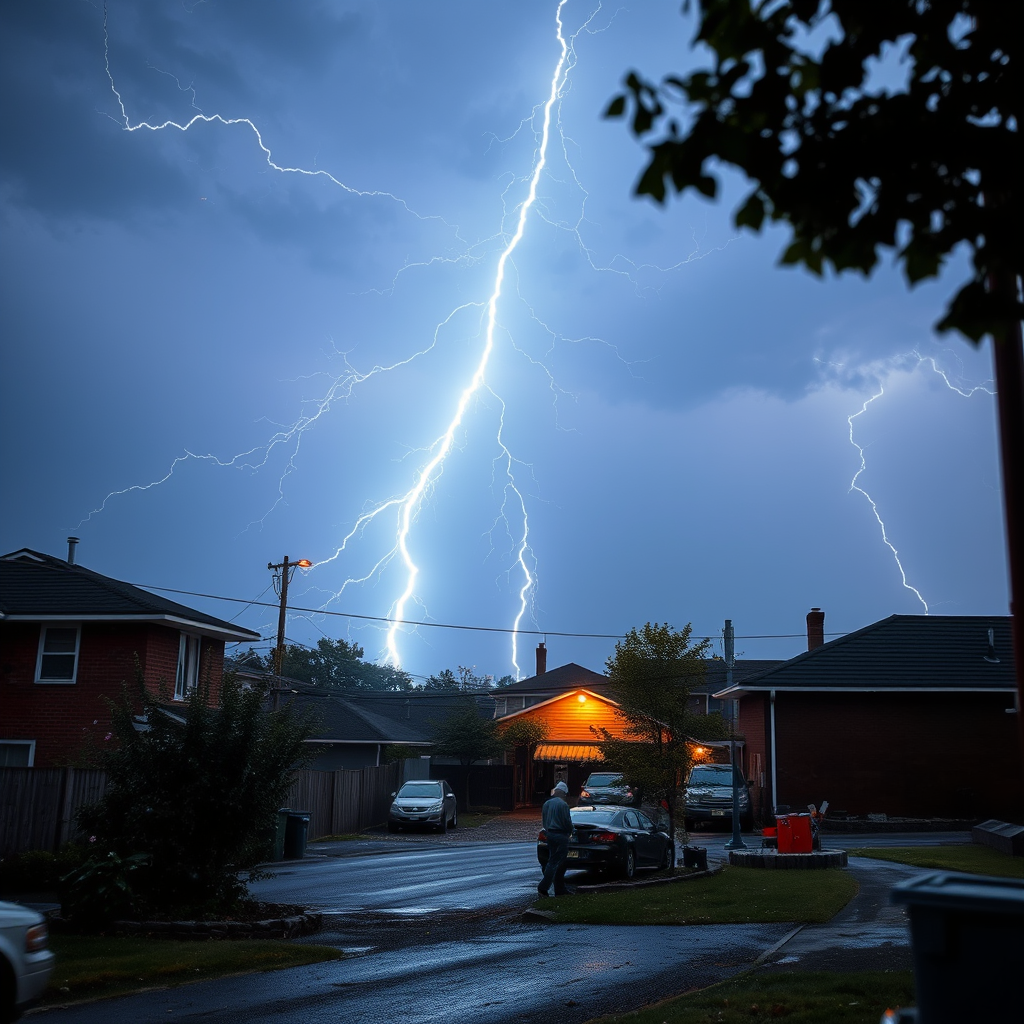
Lightning strikes can cause both direct and indirect damage to structures and electrical systems. Direct damage occurs when a lightning bolt strikes a building, leading to immediate physical impacts such as burns, holes, or structural breaches. Indirect damage, on the other hand, often results from power surges that can affect wiring and appliances, leading to malfunctions or fires. For instance, a lightning strike may cause an electrical surge that damages the circuits in your home, ultimately leading to the failure of critical systems like HVAC or security alarms. Identifying physical signs of lightning damage is crucial for establishing a connection between the event and the damage incurred. Look for burn marks on walls, melted wiring, or scorched outlets—these indicators can substantiate your claim and demonstrate the lightning’s impact on your property.
Documenting the Damage
Thorough documentation is essential when filing an insurance claim for lightning damage. Begin by taking clear photographs of all affected areas and items, ensuring that you capture various angles and perspectives to provide a comprehensive view of the damage. Include close-ups of burn marks, melted components, and any other visible signs of distress. In addition to photographs, keep meticulous records of any repairs or assessments conducted by professionals. This includes collecting estimates, invoices, and receipts that outline the cost of repairs and replacements. For example, if an electrician assesses the damage and provides a repair quote, retaining this information not only validates your claim but also serves as supporting evidence of the damage’s extent. Documentation should be organized chronologically, allowing for a clear narrative that illustrates the timeline of events following the lightning strike.
Collecting Expert Opinions
Engaging a licensed electrician or a lightning damage expert to evaluate the damage is a vital step in substantiating your insurance claim. These professionals possess the expertise and knowledge to identify specific types of damage caused by lightning strikes, which may not be immediately apparent to the untrained eye. Request a written report detailing their findings, which should include a thorough assessment of the damage and a professional opinion linking it to the lightning event. For instance, an expert may identify that a surge protector failed due to a lightning strike, leading to significant damage to connected appliances. This evaluation can serve as authoritative evidence, strengthening your position with the insurance company. When submitting this report, ensure that it is accompanied by your other documentation, presenting a cohesive and convincing case.
Reviewing Your Insurance Policy
Before filing a claim, it is crucial to thoroughly review your insurance policy to understand the specifics of your coverage regarding lightning-related damage. Policies can vary significantly in terms of coverage limits, deductibles, and exclusions. Make note of any clauses that pertain specifically to lightning strikes and related damage. Additionally, familiarize yourself with the requirements for filing claims, such as deadlines for submission and any specific forms or documentation that must accompany your claim. Understanding your policy’s terms can prevent potential pitfalls and ensure that you provide all necessary information upfront, streamlining the claims process. For example, some policies may require immediate notification of damage, while others may stipulate that a licensed contractor performs the initial assessment.
Communicating with Your Insurance Company
Effective communication with your insurance company is paramount in the claims process. When you submit your claim, provide all collected evidence, including photographs, expert reports, and documentation, in a clear and organized manner. A well-prepared submission can facilitate the processing of your claim and reduce the likelihood of back-and-forth communication. Use a cover letter to summarize the key points of your claim and outline the evidence provided. Following up regularly with your insurance adjuster can help ensure your claim is being processed and address any questions they may have. If there are delays or requests for additional information, respond promptly to keep the momentum of your claim moving forward.
Tips for a Successful Claim
To increase the likelihood of a successful insurance claim, keep copies of all correspondence with your insurance company for future reference. This includes emails, letters, and notes from phone calls, as these records can be invaluable if any disputes arise regarding the claim process. Additionally, be persistent but polite in your communications. Building a good rapport with your claims adjuster can facilitate a smoother claims process, as they are more likely to assist you in navigating any challenges that may arise. Lastly, consider consulting with an insurance claims advocate if you encounter significant hurdles. They can provide additional support and advice, ensuring that your rights are protected throughout the process.
In summary, proving that damage is from lightning requires careful documentation, expert assessments, and effective communication with your insurance provider. By understanding the nature of lightning damage, meticulously documenting the evidence, and engaging professionals when necessary, you can strengthen your claim. Reviewing your insurance policy and maintaining clear communication with your insurer will further enhance your chances of a successful outcome. Start gathering your evidence today to ensure a smoother claims process, and don’t hesitate to reach out to professionals for assistance when needed.
Frequently Asked Questions
How can I tell if damage to my home was caused by lightning?
To determine if damage to your home was caused by lightning, look for specific signs such as burn marks, melted wires, or damaged electronic devices. Additionally, if you hear a loud thunderclap or see a bright flash just before the damage occurred, this can further support your claim. It’s also important to document any physical evidence and take photos, as this will help substantiate your case when dealing with your insurance company.
What should I do immediately after experiencing lightning damage to my property?
After experiencing lightning damage, first ensure your safety and that of others by staying indoors and avoiding any downed power lines. Then, document the damage thoroughly by taking photos and writing notes about the incident and its aftermath. Contact your insurance provider as soon as possible to report the damage, as they may require specific information to process your claim effectively.
How does insurance evaluate lightning damage claims?
Insurance companies typically evaluate lightning damage claims by sending an adjuster to inspect the property. The adjuster will assess the type and extent of the damage, looking for evidence of lightning strikes such as burn marks or damaged appliances. They may also review your policy to determine coverage specifics and ensure that the damage falls under the provisions for lightning-related incidents.
Why is it important to have professional assessments for lightning damage?
Having professional assessments for lightning damage is crucial because trained experts can accurately identify and document the extent of the damage, which is essential for insurance claims. They can also uncover hidden damage, such as electrical system issues, that might not be immediately visible. This thorough documentation can strengthen your claim and ensure you receive the compensation you deserve for repairs and replacements.
Which types of damage are typically covered by homeowners insurance after a lightning strike?
Homeowners insurance generally covers a range of damages caused by lightning strikes, including destruction to the home’s structure, electrical system malfunctions, and damage to appliances and electronic devices. However, coverage can vary based on your policy, so it’s best to review your terms or consult with your insurance agent. Understanding what is covered can help you prepare and file a more effective claim following a lightning incident.
References
- JetStream | National Oceanic and Atmospheric Administration
- https://www.fema.gov/press-release/2020/06/25/lightning-safety
- https://www.nws.noaa.gov/om/brochures/lightning.pdf
- https://www.nfpa.org/-/media/Files/Code-Resources/Resources/LightningSafety.pdf
- Lightning and Your Safety | Lightning | CDC
- https://www.insurance.wa.gov/lightning-damage-and-insurance-claims
- 404 – Page not found | III
- https://www.nssl.noaa.gov/education/safety/lightning/
- https://www.nationalgeographic.com/science/article/lightning-strikes-facts
- https://www.ncbi.nlm.nih.gov/pmc/articles/PMC5595084/