

If you’re wondering whether a motorcycle license is necessary to obtain insurance, the straightforward answer is yes, most insurance companies require you to have a valid motorcycle license to insure your bike. This requirement helps ensure that riders have the appropriate training and knowledge to operate a motorcycle safely. Additionally, possessing a motorcycle license demonstrates to insurers that you are a responsible rider, which can influence your coverage options and premiums. In this article, we’ll explore the reasons behind this requirement, as well as other essential considerations for getting motorcycle insurance.
Understanding Motorcycle License Requirements
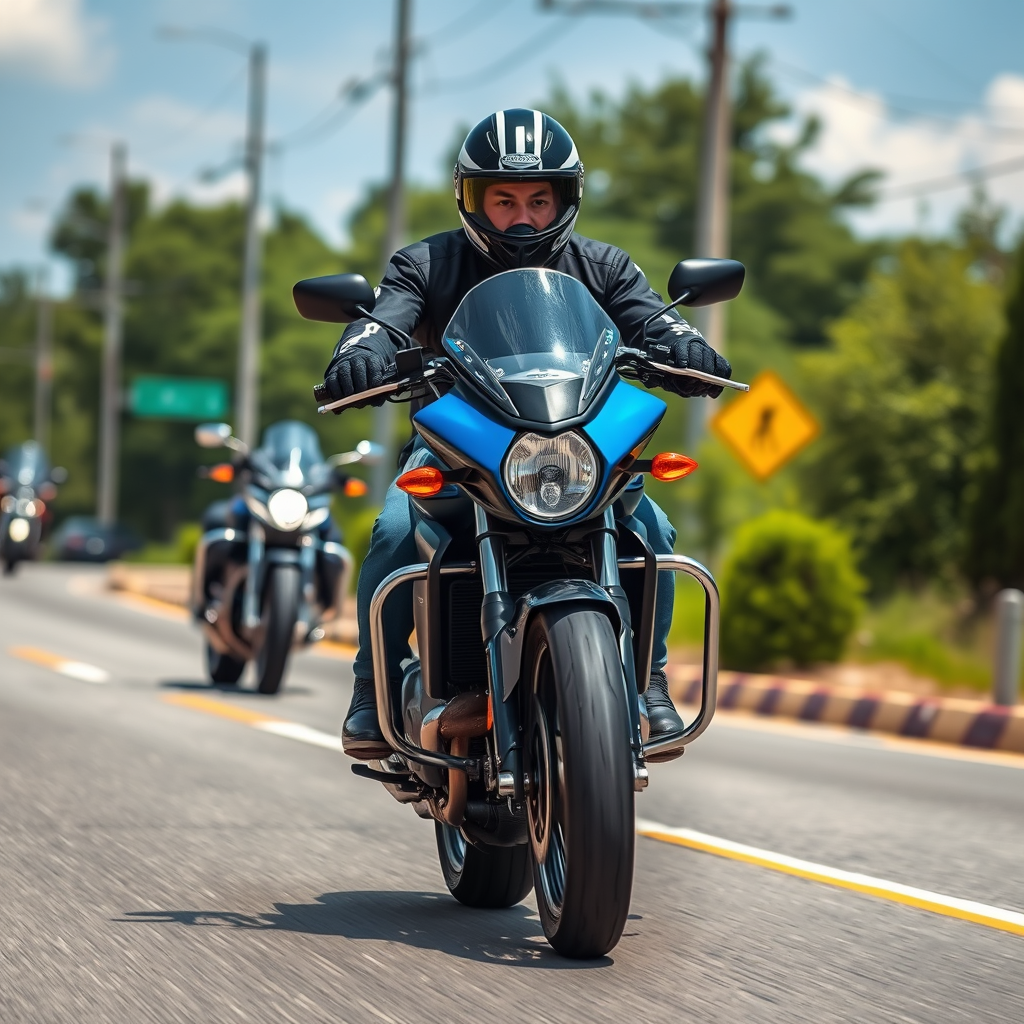
Most states mandate that riders possess a motorcycle endorsement or a separate motorcycle license to legally operate a motorcycle on public roads. This requirement is in place to ensure that riders have undergone the necessary training to handle a motorcycle’s unique challenges, which differ significantly from those of a standard vehicle. Before providing coverage, insurance companies typically verify the status of your motorcycle license. This verification process is crucial, as it helps insurers assess the risk associated with insuring a rider.
For example, in states like California and Texas, the law requires riders to pass both a written and a riding skills test to obtain a motorcycle license. These tests are designed to evaluate a rider’s understanding of road safety, traffic laws, and practical riding skills. Failure to meet these requirements not only makes it illegal to ride but also complicates the process of securing motorcycle insurance.
The Importance of Having a Motorcycle License
A valid motorcycle license is more than just a legal requirement; it serves as an essential indicator of your competency in operating a motorcycle safely. Insurers view licensed riders as less risky to insure, which can translate into lower premiums. In fact, some insurance companies offer discounts specifically for individuals who have completed motorcycle safety courses and hold a valid license.
For instance, the Motorcycle Safety Foundation (MSF) provides courses that, upon completion, may qualify graduates for reduced insurance rates. This is because licensed riders are statistically less likely to be involved in accidents compared to unlicensed riders. As a result, possessing a motorcycle license not only enhances your safety on the road but also positively impacts your financial obligations related to insurance.
Exploring Insurance Options Without a License
While it is rare, some insurance companies may provide coverage to unlicensed riders. However, such policies often come with significant drawbacks. Unlicensed insurance is typically more expensive and may offer limited coverage options. For example, some insurers may only provide liability coverage, which would not cover damage to your motorcycle in the event of an accident.
Moreover, obtaining insurance without a license can signal to insurers that you may be a higher risk, leading to elevated premiums. It is important to recognize that this route may not provide the protection necessary for a safe riding experience, and it often places riders in a precarious position if they need to file a claim.
Impact on Insurance Claims
Operating a motorcycle without a valid license can have severe repercussions, particularly when it comes to insurance claims. If you are involved in an accident while riding unlicensed, your insurance claim may be denied. Insurers can argue that riding without a license constitutes a breach of the policy terms, leaving you financially responsible for any damages incurred.
For example, if an unlicensed rider is involved in a collision, the insurance company could refuse to cover medical expenses or damages to the other party’s vehicle, citing the lack of a valid motorcycle license as grounds for their denial. This situation underscores the critical importance of being licensed before taking to the road; the consequences of riding unlicensed can be both legally and financially devastating.
Alternatives for Unlicensed Riders
For those who have not yet obtained their motorcycle license, there are several viable alternatives to consider. One of the most effective ways to become licensed is to enroll in a motorcycle safety course. Many states require completion of such a course before issuing a motorcycle license. These courses not only provide valuable riding skills but also help you gain a deeper understanding of motorcycle operation and safety.
Additionally, some states offer temporary permits for new riders, allowing them to practice riding before obtaining a full license. This can be an excellent way to build confidence and experience on the road while preparing for the licensing exams. Taking these steps can significantly enhance your riding skills and ensure that you are well-prepared to obtain insurance once you have your license.
Steps to Obtain Motorcycle Insurance
Once you have secured your motorcycle license, the next step is to obtain insurance. To do this, you will need to gather several essential documents, including your motorcycle license, vehicle registration, and details about your motorcycle’s make, model, and year.
When looking for insurance, it is advisable to shop around and compare quotes from different insurers. Each company may have varying rates and coverage options, so taking the time to research can lead to substantial savings. Look for policies that offer comprehensive coverage, which protects against theft, damage, and liability in case of an accident. Additionally, consider factors such as customer service, claims processes, and available discounts when making your decision.
In conclusion, securing your motorcycle license before seeking insurance is crucial to ensure you are adequately covered and compliant with legal requirements. A valid license not only enhances your riding skills but can also lead to lower insurance premiums and broader coverage options. If you haven’t yet obtained your license, consider enrolling in a motorcycle training course today to get started on the right path. Taking this proactive step will not only make you a safer rider but also pave the way for a smoother insurance experience.
Frequently Asked Questions
Do I need a motorcycle license to get insurance for my bike?
Yes, most insurance companies require you to have a valid motorcycle license to obtain coverage for your bike. This is because having a motorcycle license demonstrates that you have completed the necessary training and understand the rules of the road, which reduces the insurer’s risk. However, in some cases, you might be able to get insurance if you are in the process of obtaining your license, but it is essential to check with your specific insurer for their policy.
What happens if I try to get motorcycle insurance without a license?
If you attempt to obtain motorcycle insurance without a valid license, most insurance providers will deny your application. Riding without insurance is illegal in many states, and without a license, you also risk facing legal penalties. It’s crucial to have the proper licensing before you seek insurance to ensure that you are covered in case of an accident.
How can I get motorcycle insurance if I just have a learner’s permit?
If you only have a motorcycle learner’s permit, many insurance companies will still allow you to purchase motorcycle insurance, but options may be limited. Insurers often classify you as a higher risk due to your limited experience. To find the best coverage, shop around, compare rates, and consider taking a motorcycle safety course, as it may help lower your premiums by demonstrating your commitment to safe riding.
Why is a motorcycle license important for insurance?
A motorcycle license is important for insurance because it indicates that you have undergone the necessary training and assessments to operate a motorcycle safely. Insurers view licensed riders as less of a risk, which often translates to lower premiums. Additionally, having a motorcycle license ensures you are aware of the laws and regulations regarding motorcycle operation, which can significantly reduce the likelihood of accidents.
Which types of motorcycle licenses are recognized by insurance companies?
Insurance companies typically recognize various types of motorcycle licenses, including full motorcycle licenses and endorsements added to a standard driver’s license. A full motorcycle license indicates that you have completed a comprehensive training program and passed the required tests, while an endorsement proves that you have the skills to operate a motorcycle legally. Make sure to check with your specific insurer to understand their requirements regarding accepted licenses.
References
- https://www.nolo.com/legal-encyclopedia/motorcycle-insurance-what-know-32429.html
- https://www.iii.org/article/motorcycle-insurance-coverage
- https://www.nhtsa.gov/motorcycle-safety/motorcycle-licensing
- https://www.motorcycle.com/motorcycle-insurance/motorcycle-insurance-requirements.html
- https://www.ama-cycle.org/advocacy/motorcycle-insurance/
- Apply for a Motorcycle License | DMV.ORG