

Yes, you can use an FHA loan to build a house through a specialized program known as the FHA Construction-to-Permanent loan. This unique financing option allows borrowers to fund the construction of their new home and seamlessly transition to a permanent mortgage once the building is complete. In this article, we will delve into how FHA loans work specifically for construction purposes, outline the eligibility requirements, and highlight the benefits associated with this type of financing.
Understanding FHA Loans for Construction
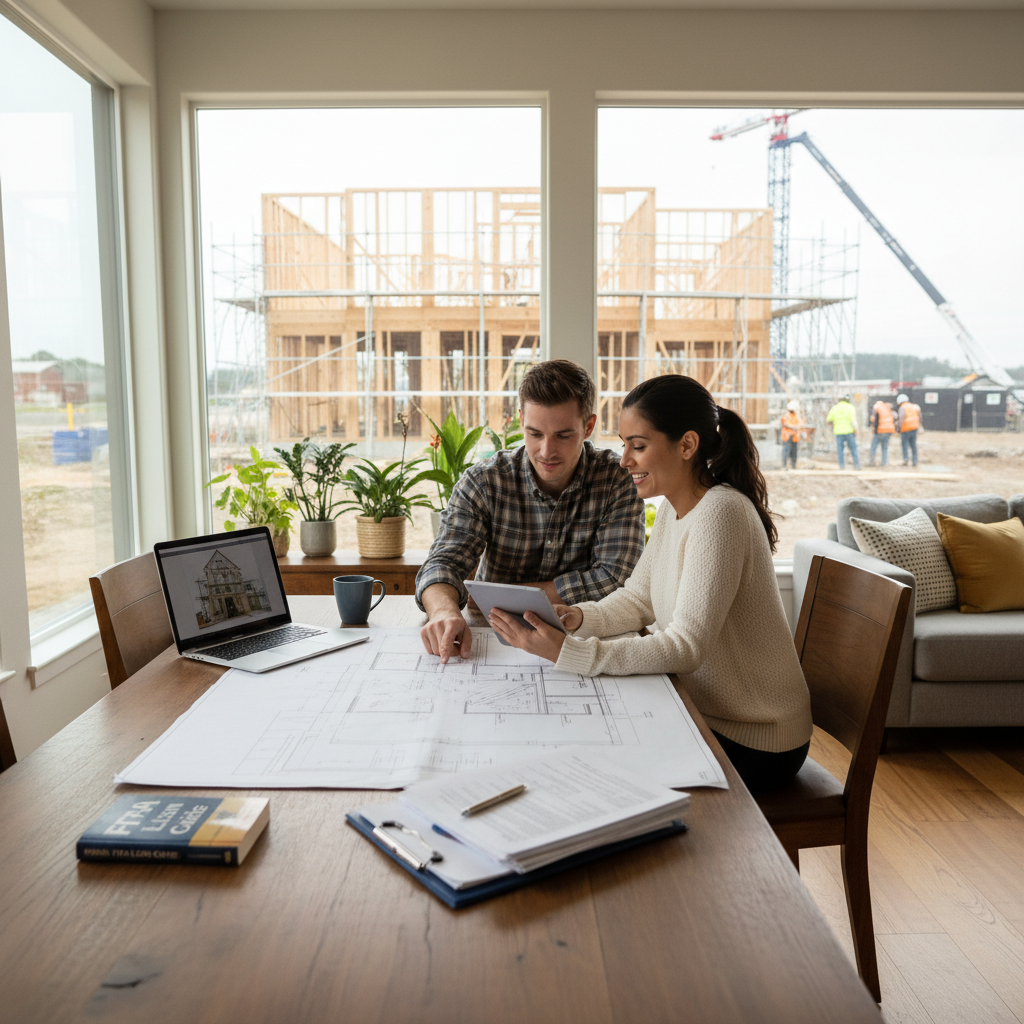
FHA loans are government-backed mortgage options designed primarily for low-to-moderate-income borrowers. These loans aim to make homeownership more attainable by offering lower down payment options—sometimes as low as 3.5% of the purchase price. Unlike conventional loans that require a higher credit score and a larger down payment, FHA loans provide a more accessible pathway for those who may not have substantial savings or perfect credit. This makes them particularly appealing for first-time homebuyers and individuals looking to build a new home rather than purchasing an existing one.
Moreover, FHA loans for construction are designed to accommodate the unique financial needs of borrowers. These loans can cover various construction costs, including land acquisition, labor, materials, and other associated expenses, enabling borrowers to manage their finances effectively during the building process.
FHA Construction-to-Permanent Loans Explained
The FHA Construction-to-Permanent loan is a hybrid financing solution that combines both construction and permanent financing into a single loan. This means that borrowers only need to go through the application and approval process once, simplifying the experience significantly. During the construction phase, borrowers typically pay interest only on the funds that have been disbursed, which can ease the financial burden while the home is being built.
Once construction is complete, the loan automatically converts into a permanent mortgage, which means that borrowers do not have to worry about refinancing or taking out a second loan. This streamlined process can save time, reduce stress, and minimize the associated costs of obtaining separate loans. Additionally, the construction-to-permanent loan option allows for a fixed interest rate, providing borrowers with predictable monthly payments.
Eligibility Requirements for FHA Construction Loans
To qualify for an FHA Construction-to-Permanent loan, borrowers must meet certain eligibility requirements established by the Federal Housing Administration. One of the primary criteria is that borrowers must have a credit score of at least 580 to qualify for the low down payment option. However, those with credit scores between 500 and 579 may still qualify but will need to provide a larger down payment of 10%.
Additionally, borrowers must demonstrate sufficient income to support the mortgage payments, which will be assessed through debt-to-income (DTI) ratios. Typically, the FHA prefers a DTI ratio of 43% or lower. It is also essential that the property being built is designated as the borrower’s primary residence; this means that it must be occupied by the borrower within a specified period after completion.
Benefits of Using an FHA Loan for Building a House
There are numerous benefits to using an FHA loan for constructing a new home. One of the most significant advantages is the lower down payment requirement, which can be as low as 3.5%. This affordability can make it easier for individuals or families to secure financing without depleting their savings or incurring significant financial strain.
Additionally, FHA loans offer more flexible credit score requirements compared to conventional loans. This flexibility can be particularly beneficial for first-time homebuyers or individuals with less-than-perfect credit histories. Moreover, FHA loans typically come with competitive interest rates, which can lead to significant savings over the life of the loan.
Another critical benefit is the ability to finance not just the construction of the home but also any necessary improvements, allowing borrowers to customize their new residence to meet their specific needs and preferences.
The Application Process for FHA Construction Loans
The application process for FHA Construction-to-Permanent loans involves several crucial steps. First, prospective borrowers should seek pre-approval from an FHA-approved lender. This will help determine how much financing they may qualify for and set a realistic budget for their construction project.
Once pre-approved, borrowers need to select a qualified builder who is also FHA-approved. It is vital to choose a contractor with a proven track record in constructing homes using FHA financing, as their familiarity with the process can help avoid potential pitfalls.
A detailed construction plan and budget must also be prepared, outlining all aspects of the project, including timelines, material costs, and labor expenses. This plan will need to be submitted with the loan application to ensure that the lender has a clear understanding of the project scope.
Once all documentation is submitted, the lender will review the application, conduct an appraisal, and ensure that the construction meets FHA guidelines. If approved, the borrower will receive financing to begin construction.
Potential Challenges and Considerations
While FHA Construction-to-Permanent loans offer many advantages, there are also potential challenges to consider. One of the most significant risks is the possibility of higher overall costs due to construction delays or budget overruns. Changes in material prices or unforeseen circumstances can lead to increased expenses that may not be covered by the original loan amount.
Additionally, borrowers must work exclusively with FHA-approved lenders and builders, which can limit options and may require some research to find qualified professionals. It is crucial to ensure that the chosen builder has experience with FHA loans and understands the guidelines to prevent complications during the construction process.
Lastly, borrowers should also be aware that they are responsible for the property appraisal and inspection, which must adhere to FHA standards. Ensuring compliance with these standards can be time-consuming and may introduce additional costs.
Tips for a Successful FHA Construction Loan Experience
To navigate the FHA Construction-to-Permanent loan process successfully, thorough research and planning are essential. Start by choosing a reputable contractor with experience in building homes using FHA financing. Look for recommendations, check online reviews, and consult previous clients to gauge their quality of work.
Open communication with lenders throughout the process is also vital. Regular updates regarding construction progress, budget considerations, and any potential issues can help maintain a collaborative relationship with the lender, ensuring that the project stays on track.
Finally, borrowers should consider creating a contingency budget to account for unforeseen expenses during construction. Having a financial cushion can alleviate stress and provide peace of mind as the project progresses.
Building a house using an FHA loan can be a viable option for many prospective homeowners. By understanding the construction-to-permanent loan process, eligibility requirements, and the benefits involved, you can make an informed decision about financing your new home. If you’re considering this route, reach out to an FHA-approved lender today to explore your options further.
Frequently Asked Questions
Can you use an FHA loan to build a house?
Yes, you can use an FHA loan to build a house, but it requires a specific type of FHA loan called the FHA One-Time Close construction loan. This loan allows you to finance both the construction of your new home and the permanent mortgage in one transaction. It’s essential to work with a lender who specializes in FHA loans and understands the nuances of construction financing.
What are the eligibility requirements for using an FHA loan to build a house?
To qualify for an FHA loan for construction, you must meet standard FHA eligibility criteria, including a minimum credit score of 580 (or 500 with a larger down payment), a debt-to-income ratio of 43% or less, and a steady employment history. Additionally, the property must be your primary residence, and you will need to provide plans and specifications for the construction project to the lender.
How does the FHA One-Time Close loan process work?
The FHA One-Time Close loan process involves several steps: first, you secure your loan approval based on the construction plans and your financial profile. Once approved, funds are allocated to pay for the construction, which is typically managed by a licensed builder. After the construction is complete, the loan automatically converts to a permanent mortgage, streamlining the transition and eliminating the need for a second closing.
Why should you consider using an FHA loan to build a house?
Using an FHA loan to build a house can be an excellent option for first-time homebuyers or those with lower credit scores, as these loans offer lower down payment requirements (as low as 3.5%) and more flexible qualification criteria. Additionally, the FHA One-Time Close construction loan simplifies the financing process by combining construction and permanent financing, making it easier for borrowers to manage their budgets and timelines.
What are the potential drawbacks of using an FHA loan to build a house?
While FHA loans have many benefits, there are potential drawbacks to consider. These loans typically come with mortgage insurance premiums (MIP) that can increase your monthly payments, and construction timelines can sometimes lead to delays or increased costs. Additionally, FHA loans may have stricter property standards, requiring thorough inspections to ensure compliance with safety and quality guidelines, which can complicate the construction process.
References
- https://www.hud.gov/program_offices/housing/sfh/ins/203k-ml
- https://www.investopedia.com/terms/f/fha-loan.asp
- https://www.nahb.org/Other/Consumer-Resources/Buying-a-Home/FHA-Construction-Loan-Guide
- https://www.hud.gov/program_offices/housing/sfh/buying/fha_loan
- https://www.fha.com/fha_loan_process
- NMHC
- Can I be charged a penalty for paying off my mortgage early? | Consumer Financial Protection Bureau