

You can indeed obtain a USDA loan for a manufactured home, provided it meets certain eligibility criteria. This type of financing is designed to help low to moderate-income families purchase homes in rural areas, making homeownership more accessible. USDA loans provide significant benefits, including zero down payment options and competitive interest rates, allowing prospective homeowners to invest in quality housing without the burden of substantial upfront costs.
Understanding USDA Loans
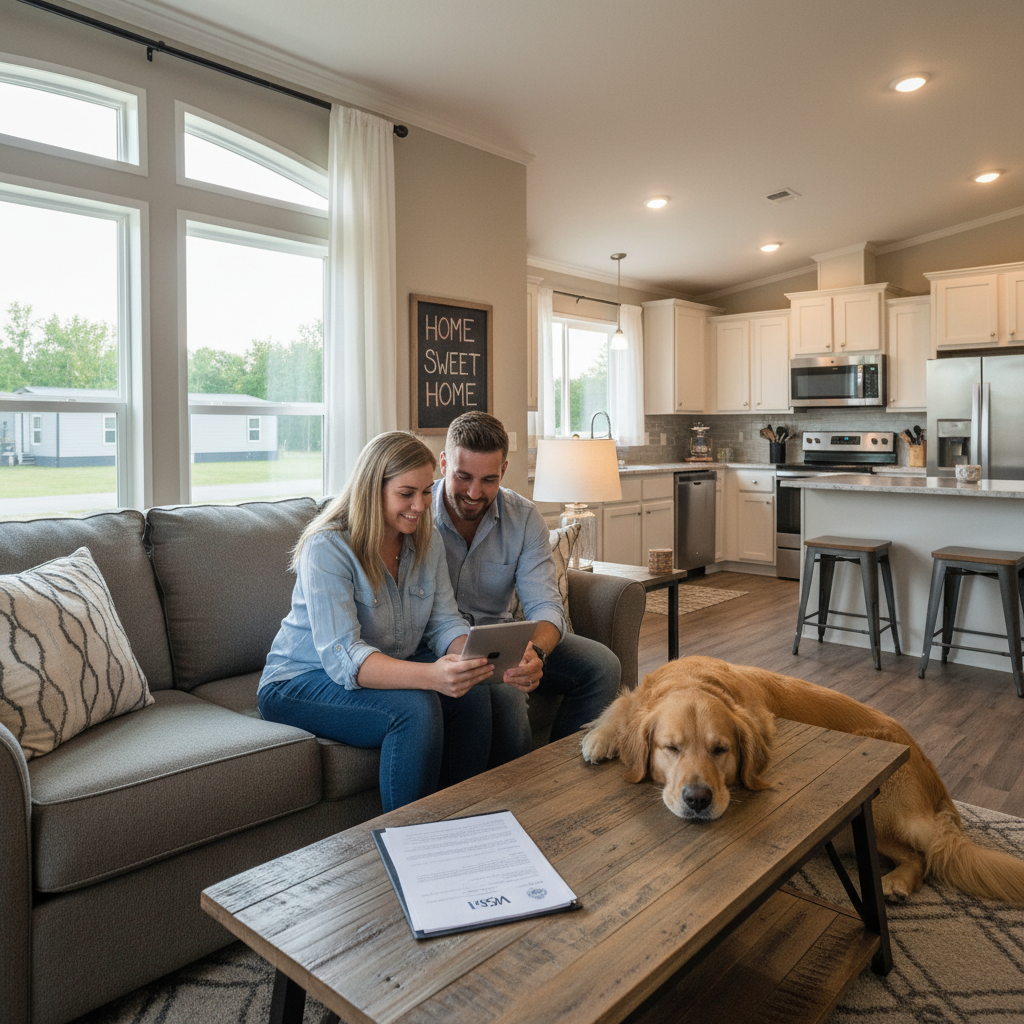
USDA loans, or United States Department of Agriculture loans, are government-backed mortgages specifically aimed at promoting homeownership in designated rural areas. The program’s primary goal is to enhance the living standards of individuals and families in these communities by facilitating the acquisition of safe and affordable housing. These loans come with numerous advantages, such as the absence of a down payment requirement, which is particularly beneficial for low-income buyers who may struggle to save for a traditional down payment. Additionally, USDA loans typically offer lower mortgage insurance costs compared to conventional loans, making monthly payments more manageable and increasing the overall affordability of homeownership.
USDA loans are further distinguished by their flexible credit requirements, which may allow individuals with less-than-perfect credit histories to qualify. This is crucial for many potential buyers who might otherwise be excluded from homeownership opportunities. Overall, USDA loans represent a supportive financial avenue for those looking to establish roots in rural America.
Eligibility Requirements for Manufactured Homes
To qualify for a USDA loan for a manufactured home, certain eligibility requirements must be met. First and foremost, the home must be located in a designated rural area as defined by the USDA. The USDA provides an online tool that allows potential borrowers to check if a property is eligible based on its geographical location.
In addition to location, the manufactured home must also meet specific safety and quality standards established by the USDA. This includes compliance with the HUD (Department of Housing and Urban Development) standards for manufactured homes, which ensure that the home is structurally sound, safe, and suitable for habitation. The home must be new or in like-new condition and should be on a permanent foundation to qualify as real estate. This aspect is critical, as it differentiates a manufactured home from a mobile home, which is often not considered real estate.
Types of Manufactured Homes Eligible for USDA Loans
Both single-section and multi-section manufactured homes can qualify for USDA loans, provided they meet the necessary criteria. The distinction between these types is based primarily on the size and configuration of the home. Single-section homes are typically smaller and comprise a single unit, while multi-section homes are larger, consisting of two or more sections that are joined on-site.
To be eligible, the manufactured home must be classified as real estate, which requires it to be permanently affixed to a foundation. This means that simply placing a manufactured home on a temporary foundation or lot will not suffice for USDA loan eligibility. Furthermore, the home must also be your primary residence, which is a standard requirement for most mortgage loans.
Benefits of Using a USDA Loan for a Manufactured Home
Utilizing a USDA loan for a manufactured home offers several substantial benefits. The most significant advantage is the opportunity for no down payment, which can make homeownership attainable for low-income buyers who may not have the means to save for a traditional down payment. This feature alone can save potential homeowners thousands of dollars upfront, enabling them to invest in their new home without the added financial strain.
In addition to the no down payment requirement, USDA loans feature competitive interest rates, which can translate into lower monthly payments compared to conventional financing options. The reduced mortgage insurance premiums associated with USDA loans further enhance affordability, making it easier for borrowers to manage their financial obligations. These loans also provide more lenient credit score requirements, allowing individuals with varying credit histories to access financing.
The Application Process for a USDA Loan
The application process for a USDA loan can seem daunting, but understanding the steps can simplify the journey to homeownership. First, potential borrowers should gather the necessary documentation, which typically includes proof of income, tax returns, and a detailed credit history. These documents will help demonstrate financial stability and capability to repay the loan.
Once the documentation is in order, applicants should seek out a USDA-approved lender. Working with a lender experienced in USDA loans is essential, as they can provide valuable guidance throughout the process. The lender will review the application, assess eligibility, and help ensure that all requirements are met before submitting the loan for approval. It’s advisable to communicate openly with the lender, as they can assist in overcoming any challenges that may arise.
Common Challenges and Solutions
While securing a USDA loan for a manufactured home is feasible, applicants may face certain challenges along the way. One of the most common hurdles is meeting the credit score requirements. Although USDA loans are generally more lenient than conventional loans, a minimum credit score of around 640 is often recommended. Those with lower scores may need to take steps to improve their credit before applying, such as paying down existing debt or correcting any inaccuracies on their credit report.
Understanding the specific criteria for manufactured homes is another challenge that applicants may encounter. To navigate this, it is beneficial to consult with a USDA-approved lender who can clarify the requirements and guide applicants through the process. Additionally, prospective borrowers can research the USDA’s guidelines and familiarize themselves with the necessary standards for manufactured homes, reducing the likelihood of surprises during the application process.
Frequently Asked Questions
What are the specific credit requirements for a USDA loan?
Typically, a credit score of 640 or higher is preferred for USDA loans, but some lenders may accept lower scores under certain circumstances. It’s essential to check with your lender for their specific requirements.
Can I refinance my existing manufactured home loan with a USDA loan?
Yes, refinancing is possible through the USDA’s Streamlined Assist Program, which allows eligible borrowers to refinance existing USDA loans with minimal documentation requirements and no appraisal needed. However, the existing loan must be a USDA loan to qualify for this program.
Securing a USDA loan for a manufactured home is a viable option for many aspiring homeowners, offering significant financial benefits and opportunities. With no down payment, competitive interest rates, and accessible eligibility requirements, these loans make homeownership attainable for low to moderate-income families in rural areas. If you believe you might qualify, take the next step by researching local USDA-approved lenders and gathering the necessary documentation to begin your application process. Embracing the homeownership journey through a USDA loan can be a transformative experience, opening doors to stability and community for many families.
Frequently Asked Questions
Can you get a USDA loan on a manufactured home?
Yes, you can obtain a USDA loan for a manufactured home, but there are specific requirements that must be met. The home must be classified as real property, meaning it should be permanently affixed to a foundation and meet local building codes. Additionally, the USDA has guidelines regarding the age and condition of the manufactured home, so it’s crucial to ensure that it meets these criteria before applying for a loan.
What are the eligibility requirements for a USDA loan on a manufactured home?
To qualify for a USDA loan on a manufactured home, the borrower must meet certain criteria, including being a U.S. citizen or legal resident and demonstrating a stable income that falls within the USDA’s income limits. The manufactured home must be located in a designated rural area, and the borrower must have a credit score typically above 640. Additionally, the home must be new or in excellent condition, and it should be on a permanent foundation.
How does the process of applying for a USDA loan on a manufactured home work?
The process of applying for a USDA loan on a manufactured home begins with finding an approved lender who participates in the USDA loan program. You’ll need to gather necessary documentation, such as proof of income, credit history, and information about the manufactured home. Once you submit your application, the lender will conduct an appraisal and verify that the home meets USDA guidelines. If approved, the lender will finalize the loan, and you can proceed with the purchase.
Why should I consider a USDA loan for my manufactured home?
A USDA loan for a manufactured home offers several advantages, particularly for those looking to purchase in rural areas. These loans typically require no down payment, making homeownership more accessible for low to moderate-income families. Additionally, USDA loans often come with lower interest rates and mortgage insurance premiums compared to conventional loans, which can result in significant savings over the life of the loan.
What are the best practices for getting approved for a USDA loan on a manufactured home?
To increase your chances of getting approved for a USDA loan on a manufactured home, start by ensuring your credit score is in good standing—ideally above 640. Keep your debt-to-income ratio low by paying down existing debts and maintaining a stable income. Also, make sure the manufactured home meets USDA standards, such as being on a permanent foundation and in good condition. Finally, working with a knowledgeable lender who understands the USDA loan process can help navigate potential pitfalls and streamline your application.
References
- Single Family Housing Guaranteed Loan Program | Rural Development
- https://www.hud.gov/program_offices/housing/sfh/ins/2000-21
- https://www.nolo.com/legal-encyclopedia/manufactured-homes-what-you-need-know-29554.html
- https://www.consumerfinance.gov/ask-cfpb/can-i-get-a-usda-loan-for-a-manufactured-home-en-1954/
- https://www.fha.com/fha_article?id=1020
- https://www.usda.gov/topics/farming/manufactured-housing
- https://www.hud.gov/program_offices/comm_planning/affordablehousing/training/mhfinance
- https://www.nahb.org/advocacy/industry-issues/manufactured-housing