

If you’re wondering whether you can secure a loan specifically for closing costs, the answer is yes, it is possible. Many lenders offer various options to help cover these expenses, which can often be a significant barrier for homebuyers. Closing costs can range from a few thousand to tens of thousands of dollars, depending on the price of the property and local fees. This article will explore how you can finance your closing costs, the different types of loans available, and essential considerations to keep in mind to facilitate your home buying process.
Understanding Closing Costs
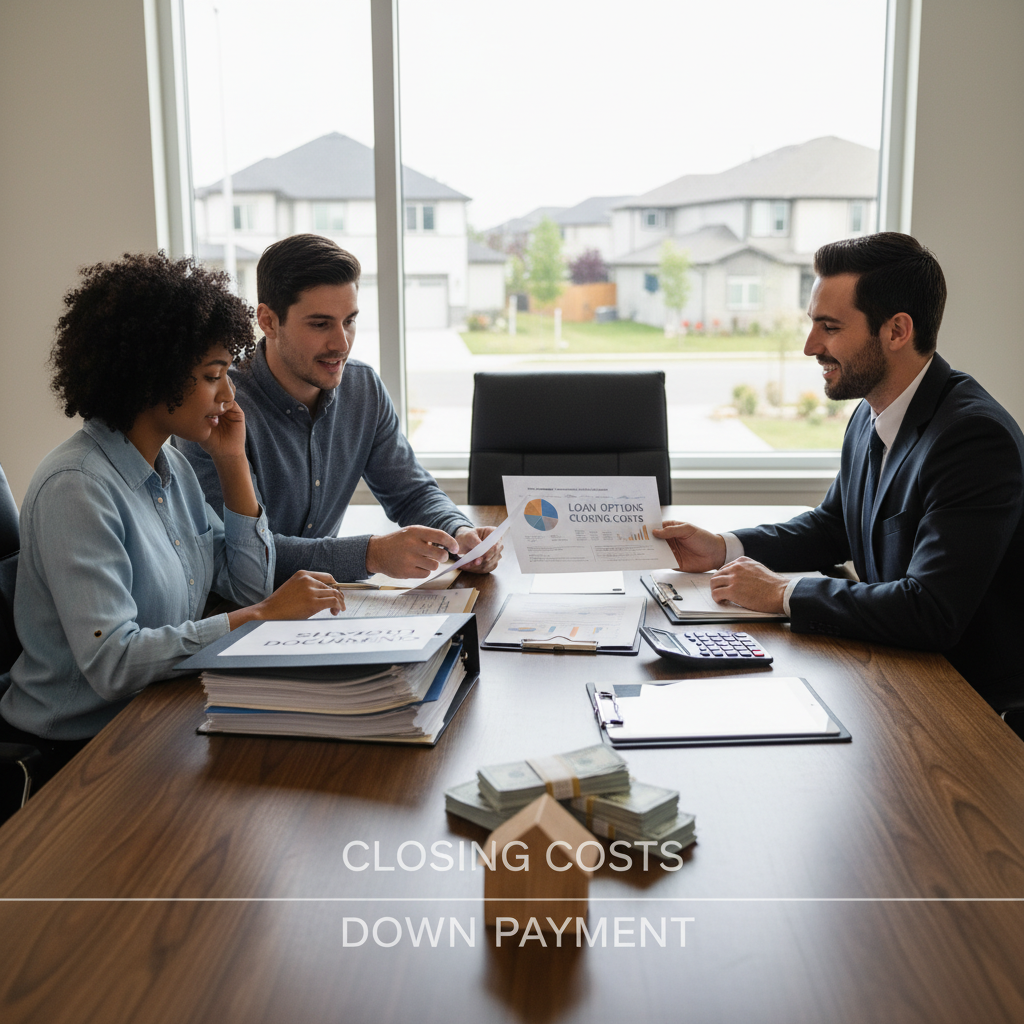
Closing costs are fees that buyers and sellers incur during the transfer of a property. These costs typically range from 2% to 5% of the home’s purchase price, making them a substantial additional expense. Closing costs encompass a variety of expenses, such as:
– Title Searches and Insurance: Ensuring the property has a clear title and protecting against future claims.
– Appraisal Fees: Evaluating the property’s market value, often required by lenders.
– Loan Origination Fees: Fees charged by lenders for processing the loan application.
– Attorney’s Fees: Costs associated with legal representation during the closing process.
– Prepaid Taxes and Insurance: Advanced payments for property taxes and homeowners insurance.
Understanding these costs is crucial for budgeting effectively when purchasing a home. Being informed about what these fees entail can help you negotiate better and avoid any surprises at closing.
Types of Loans for Closing Costs
When considering financing options for closing costs, there are a few loan types that can be utilized:
– Personal Loans: These are unsecured loans that can be used for various personal expenses, including closing costs. Personal loans generally have higher interest rates than secured loans but can provide quick access to funds. They are best suited for buyers who may not have substantial equity or collateral.
– Home Equity Loans: If you already own a home and have built up equity, you can take out a home equity loan. This type of loan allows you to borrow against the equity in your home, often at a lower interest rate than personal loans. However, it places your home at risk if you fail to repay the loan, so it’s essential to weigh the risks carefully.
– FHA Loans: The Federal Housing Administration offers specific loan programs that allow buyers to finance closing costs as part of their mortgage. FHA loans are aimed at first-time homebuyers and those with less-than-perfect credit, making them an attractive option for many.
Financing Options Through Lenders
Many mortgage lenders offer programs that allow you to roll your closing costs into your mortgage, effectively financing these expenses over the life of the loan. This can make home buying more accessible, as it reduces the upfront cash needed at closing.
Additionally, some lenders may provide seller concessions, which is an agreement where the seller agrees to cover part or all of the closing costs. This approach can be particularly advantageous in a buyer’s market, where there may be more room for negotiation. For example, if a seller is eager to close the deal quickly, they may be willing to cover a portion of your closing costs as an incentive.
It is also worth noting that some state and local governments offer down payment assistance programs that may include closing cost support. Researching these options can yield helpful financial resources that align with your home-buying goals.
Pros and Cons of Borrowing for Closing Costs
Before deciding to borrow for closing costs, it’s important to consider both the advantages and disadvantages:
– Pros:
– Immediate Access to Funds: Borrowing for closing costs can make home buying feasible for those who do not have sufficient savings.
– Improved Cash Flow: Financing closing costs can alleviate immediate cash flow issues, allowing you to use your savings for other important expenses, such as home renovations or moving costs.
– Cons:
– Increased Debt Load: Taking on additional debt can strain your finances. It’s essential to ensure your monthly budget can accommodate higher payments.
– Potential for Higher Interest Rates: If you are borrowing through a personal loan or adding closing costs to your mortgage, you might face higher interest rates, increasing the overall cost of your home.
Balancing these factors will help you make an informed decision that aligns with your financial circumstances.
Tips for Securing a Loan for Closing Costs
To improve your chances of securing a loan for closing costs, consider the following tips:
– Shop Around: Don’t settle for the first offer you receive. Compare rates and terms from multiple lenders to find the best deal. Look for lenders who specialize in loans for homebuyers and understand your needs.
– Strengthen Your Credit Profile: A strong credit score can help you secure better interest rates and terms. Before applying, check your credit report for errors and pay down any outstanding debts to improve your score.
– Gather Financial Documentation: Be prepared to provide financial documents such as income statements, tax returns, and proof of assets. This preparation will streamline the application process and help lenders assess your financial stability.
– Ask About Special Programs: Inquire with lenders about any special programs they may offer for first-time homebuyers or for financing closing costs specifically. Many lenders have unique offerings that can significantly reduce your financial burden.
Common Myths About Closing Costs
Several misconceptions surround closing costs that can mislead potential homebuyers:
– Negotiability: While it is true that some closing costs may be negotiable, many standard fees are set by service providers and cannot be changed. Understanding which fees are negotiable will empower you during the negotiation process.
– Upfront Payment Requirement: A common myth is that all loans require an upfront payment of closing costs. In reality, many options allow for the financing of these costs within the mortgage, making it easier for buyers to manage their finances.
Being well-informed about these myths can help you navigate the home buying process more effectively and avoid common pitfalls.
Obtaining a loan for closing costs is a viable option that can make the home buying process more accessible. By understanding the types of loans available, weighing the pros and cons, and consulting with lenders to find the best solutions, you can alleviate some of the financial burdens associated with purchasing a home. If you’re ready to explore financing options, reach out to a mortgage professional today. Taking this proactive step can facilitate your journey to homeownership and help you achieve your real estate goals.
Frequently Asked Questions
Can you get a loan for closing costs?
Yes, you can get a loan for closing costs, often referred to as a “closing cost loan.” Many lenders allow borrowers to finance these costs as part of their mortgage. This means you can roll the closing costs into the overall loan amount, which can help alleviate the upfront financial burden when purchasing a home.
What are the typical closing costs that can be financed?
Typical closing costs that can be financed include lender fees, title insurance, appraisal fees, and attorney fees, among others. These costs usually range from 2% to 5% of the home’s purchase price. It’s important to review the Loan Estimate provided by your lender, which outlines all potential fees, so you understand what can be included in your financing.
How does financing closing costs affect your mortgage?
Financing your closing costs will increase your overall mortgage amount and, in turn, your monthly payments. While this can make it easier to manage upfront expenses, it may also lead to paying more in interest over the life of the loan. It’s crucial to weigh the benefits of immediate cash flow against the long-term cost implications.
Why would someone choose to finance closing costs instead of paying them upfront?
Many homebuyers choose to finance closing costs to preserve cash for other expenses, such as moving costs or home repairs. Additionally, first-time homebuyers or those with limited savings may find it easier to cover the closing costs this way. It can also be beneficial for buyers looking to keep their savings for emergencies or investments.
Which lenders offer options for financing closing costs?
Most traditional mortgage lenders, including banks and credit unions, offer options to finance closing costs. Additionally, some government-backed loans, like FHA and VA loans, may provide more flexible terms for including closing costs in the loan amount. It’s advisable to shop around and compare offers from various lenders to find the best deal for your situation.
References
- https://www.consumerfinance.gov/ask-cfpb/can-i-use-a-loan-to-pay-closing-costs-en-2020/
- Understanding Closing Costs: Fees, Amounts, and Key Details
- https://www.hud.gov/program_offices/housing/sfh/ins/closingcosts
- https://www.nerdwallet.com/article/mortgages/what-are-closing-costs
- https://www.bankrate.com/mortgages/faq-closing-costs/
- https://www.thebalance.com/what-are-closing-costs-4175097