

Building a home with an FHA loan is indeed possible, but there are specific requirements and guidelines that borrowers must follow. FHA loans can provide a viable financing option for those looking to construct their dream home, especially for individuals with lower to moderate incomes. This article will guide you through the process, eligibility criteria, and essential considerations for using an FHA loan to finance your new home construction.
Understanding FHA Loans
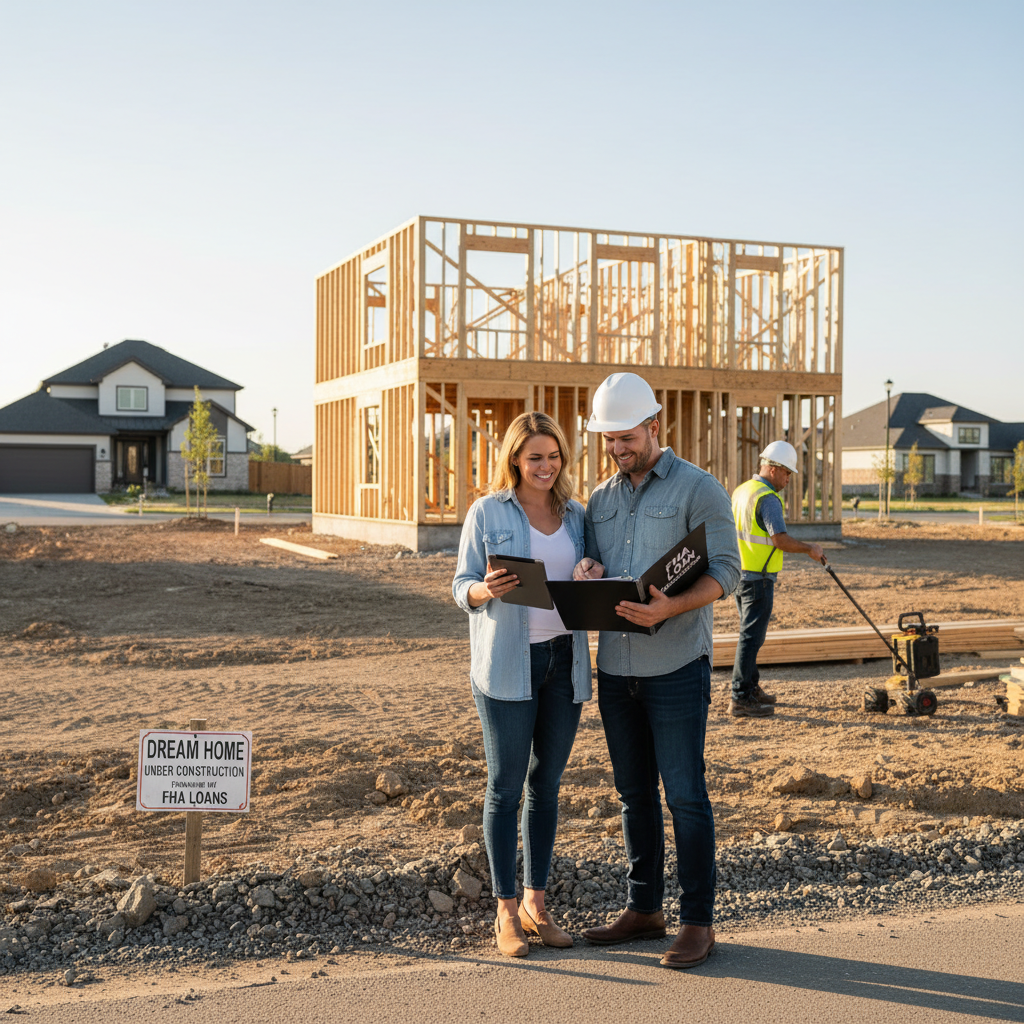
FHA loans, or Federal Housing Administration loans, are government-backed mortgages designed to assist low-to-moderate income borrowers in achieving homeownership. One of the most appealing aspects of FHA loans is the relatively low down payment requirement, which can be as low as 3.5% for borrowers with a credit score of 580 or higher. This accessibility makes FHA loans an attractive option for first-time homebuyers or those who may struggle to qualify for conventional financing. FHA loans also come with competitive interest rates and more lenient credit requirements, broadening the pool of potential homeowners.
In addition to their flexibility, FHA loans are known for their comprehensive insurance, which protects lenders against losses in the event of borrower default. This backing encourages lenders to offer loans to individuals who might otherwise be deemed too risky, thereby promoting homeownership among a wider range of applicants.
Eligibility Requirements for FHA Loans
To qualify for an FHA loan, borrowers must meet specific eligibility criteria. The minimum credit score required is typically around 580, which allows for a down payment of just 3.5%. However, borrowers with credit scores between 500 and 579 may still qualify, but they will be required to make a larger down payment of at least 10%.
In addition to credit score requirements, the property being constructed must meet specific FHA standards that emphasize safety, security, and livability. This includes passing an FHA appraisal that assesses the property’s condition and ensures it meets basic guidelines. Borrowers must also demonstrate a steady income, a manageable debt-to-income ratio, and a history of responsible credit use.
Another critical factor is that the borrower must occupy the home as their primary residence. FHA loans are not intended for investment properties or vacation homes, which restricts eligibility to those looking to make a home for themselves and their families.
Types of FHA Loans for Construction
There are several types of FHA loans specifically designed for construction purposes. The FHA 203(b) loan is primarily for purchasing existing homes, but it does not cater specifically to new construction. On the other hand, the FHA 203(k) loan is tailored for homebuyers who wish to renovate or build a home. This loan not only covers the cost of the purchase but also allows for the financing of repairs or upgrades, making it a versatile option for those looking to enhance their new home.
Additionally, the FHA Energy Efficient Mortgage (EEM) can be integrated with an FHA loan to finance energy-efficient upgrades in newly constructed homes. This option is particularly beneficial for those looking to invest in sustainable building practices or incorporate green technology into their homes. By financing energy-efficient improvements, homeowners can often save on utility costs, making this a smart long-term investment.
Steps to Build a Home with an FHA Loan
The process of building a home with an FHA loan begins with finding a qualified builder who is familiar with FHA loan requirements. It’s essential to select a builder with experience in FHA projects, as they will understand the necessary guidelines and inspections that must be completed throughout the construction process.
Next, secure your FHA loan pre-approval before starting the construction process. Pre-approval will give you a clearer understanding of your budget and assist you in determining how much you can afford to spend on your new home. This step also helps streamline the financing process, as lenders will review your financial situation and provide you with a pre-approval letter, which can be advantageous when negotiating with builders.
Once you have secured a builder and obtained pre-approval, you can begin to design your home and finalize the construction timeline. This stage includes selecting materials, layouts, and other features that will meet your needs and preferences.
Key Considerations When Building
When building a home with an FHA loan, several key considerations must be taken into account. First and foremost, ensure that your builder is FHA-approved to avoid any financing issues that could arise later in the process. An FHA-approved builder will be familiar with the necessary documentation and requirements, helping to keep your project on track.
Additionally, be aware of the required inspections and appraisals during the construction phase. FHA guidelines mandate specific inspections to ensure the home meets safety and quality standards. These inspections can include foundation, framing, and final walkthroughs. Staying informed about these requirements will help prevent unexpected delays or complications during the financing process.
It’s also prudent to maintain open lines of communication with your builder throughout the construction phase. Regular updates can help address any concerns before they escalate into larger issues and ensure that your project remains on schedule.
Common Challenges and Solutions
Building a home can come with its share of challenges, and it’s crucial to be prepared for potential setbacks. One common issue is delays in construction, which can affect loan timelines and ultimately delay your move-in date. To mitigate this risk, maintain clear communication with your builder regarding progress and any anticipated delays. Setting a realistic timeline and establishing milestones can also help keep the project on track.
Another challenge that many borrowers face is budget overruns. Construction projects often encounter unexpected costs, whether due to changes in materials, labor, or unforeseen site conditions. It’s advisable to set aside additional funds for unexpected expenses, typically around 10-20% of your total budget, to cover any surprises that may arise during construction. This financial cushion can alleviate stress and ensure that your project can continue without interruption.
Final Steps and Closing
Once construction is complete, it’s essential to complete all necessary inspections and appraisals before finalizing the loan. The final walkthrough will help ensure that everything is in order, and any issues can be addressed before closing.
After passing all inspections and appraisals, ensure that all paperwork is in order for a smooth closing process. This includes finalizing your mortgage documentation, securing homeowners insurance, and completing any additional requirements set forth by your lender.
Once all steps are completed, you can finally take possession of your new home, marking the successful culmination of your efforts and planning.
Building a home with an FHA loan is a viable option for many, provided you meet the necessary requirements and follow the outlined steps. If you’re considering this path, start by reaching out to a qualified lender and builder to discuss your options and begin the journey toward your new home. With careful planning and consideration, you can turn your dream of homeownership into a reality, all while taking advantage of the benefits that FHA loans offer.
Frequently Asked Questions
Can you build a home with an FHA loan?
Yes, you can build a home with an FHA loan, specifically through the FHA’s 203(b) and 203(k) programs. The FHA 203(b) program allows you to finance the purchase of land and the construction of a new home, while the 203(k) program is designed for those looking to rehabilitate or add to an existing structure. Both options require you to meet specific eligibility criteria, including credit score and debt-to-income ratios.
What are the requirements for using an FHA loan to build a home?
To use an FHA loan for building a home, you must meet certain requirements, including a minimum credit score of 580 (or 500 with a 10% down payment), a debt-to-income ratio of 43% or less, and a down payment of at least 3.5%. Additionally, the construction must be completed by a licensed builder, and the home must pass FHA inspections to ensure it meets safety and livability standards.
How does the FHA loan process work for new construction?
The FHA loan process for new construction typically involves several steps. First, you’ll need to find a suitable lot and hire a licensed builder. Next, you’ll apply for the FHA loan, providing necessary documentation such as income verification and credit history. Once approved, the lender will conduct an appraisal and inspection of the plans and specifications before disbursing funds in stages as construction progresses.
Why should I consider using an FHA loan for building a home?
Using an FHA loan for building a home can be advantageous due to its lower down payment requirements and more flexible credit standards compared to conventional loans. This makes home construction more accessible for first-time homebuyers and those with less-than-perfect credit. Additionally, FHA loans may offer lower interest rates, which can result in significant savings over the life of the loan.
Which is better for building a home: an FHA loan or a conventional loan?
The choice between an FHA loan and a conventional loan for building a home largely depends on your financial situation and credit profile. FHA loans are ideal for buyers with lower credit scores and those who can afford only a small down payment. Conversely, conventional loans typically require higher credit scores but offer more flexibility regarding loan amounts and property types. It’s essential to evaluate your financial health and long-term goals before deciding.
References
- https://www.hud.gov/program_offices/housing/sfh/ins/fhaannex9
- https://www.fha.com/fha_loan_program
- https://www.investopedia.com/terms/f/fha-loan.asp
- Submit a complaint | Consumer Financial Protection Bureau
- FHA Loan Requirements for 2026 – NerdWallet
- https://www.rocketmortgage.com/learn/fha-loan-requirements
- https://www.hud.gov/program_offices/housing/sfh/ins/203k
- What Is An FHA Loan? Requirements, Rates And More | Bankrate