

Using federal student loans to pay for rent is not typically allowed, as these loans are primarily intended for educational expenses such as tuition, fees, and books. However, there are some strategies you can employ to manage your living costs while attending school. This article will explore how student loans can indirectly assist with rent and what options are available to help you manage your housing expenses effectively.
Understanding Federal Student Loans
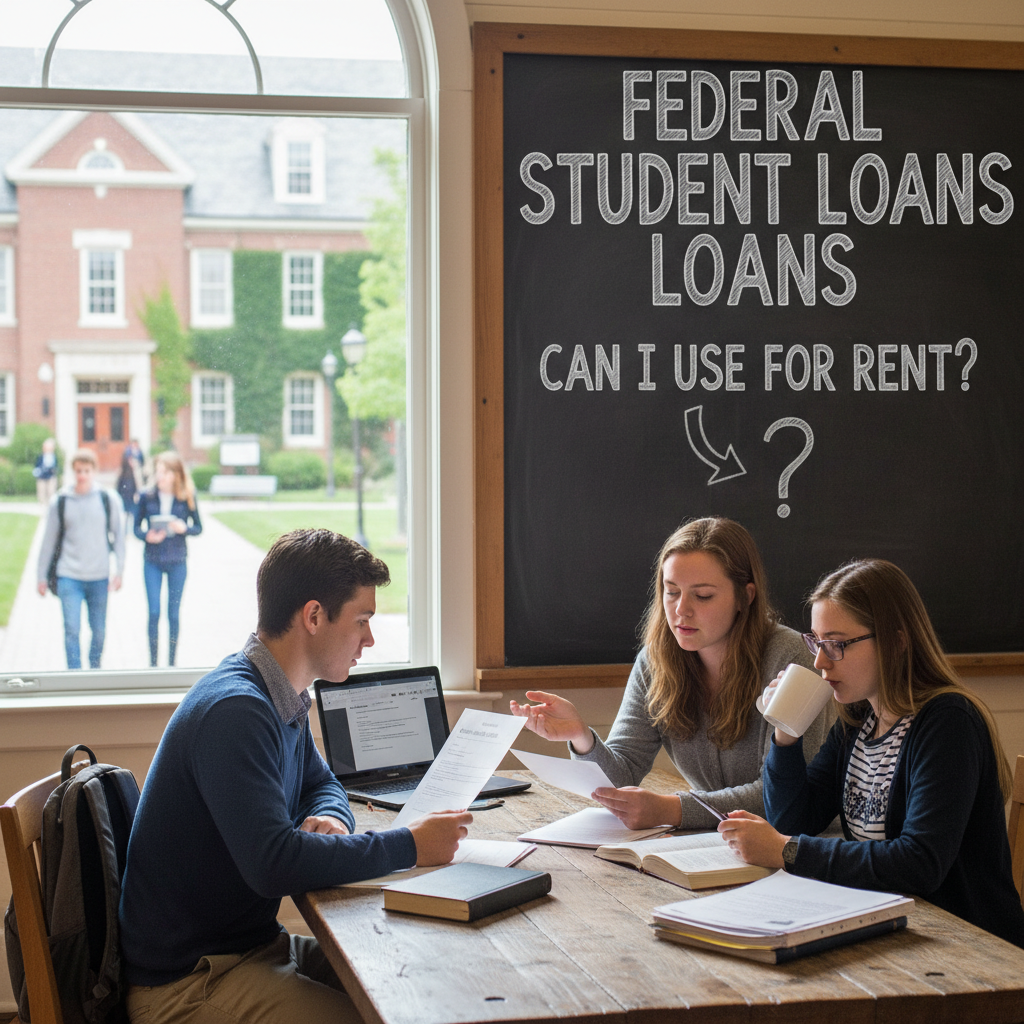
Federal student loans are primarily designed to cover educational costs, ensuring that students can afford tuition and necessary academic supplies. These loans come with specific guidelines that dictate what constitutes an eligible expense, typically focusing on direct educational needs. However, understanding these loans’ broader implications can help students navigate their financial obligations more effectively.
By securing federal student loans, students can alleviate some financial burdens associated with their academic journey. For instance, if a loan covers tuition and fees, students may find themselves with more disposable income from part-time jobs or other resources. This freed-up cash can then be allocated to essential living expenses, including rent, although the loans themselves cannot be used directly for such purposes.
Eligible Expenses for Federal Student Loans
Federal student loans cover a range of expenses directly related to education, ensuring that students can focus on their studies without excessive financial stress. The primary eligible expenses include:
– Tuition and Fees: This is the most significant component of federal student loans, as they are designed to cover the cost of attending a college or university.
– Books and Supplies: Students can also use these loans to purchase necessary textbooks, lab equipment, and other educational materials crucial for their courses.
– Room and Board: While the loans cannot be used specifically for rent, they may cover costs associated with room and board when enrolled in a college that provides housing arrangements.
Understanding these eligible expenses is essential for students to maximize their financial aid and ensure they can manage both educational and living costs effectively.
How Student Loans Can Help with Living Expenses
While federal student loans cannot be used directly to pay rent, they can assist with living expenses in an indirect manner. Here’s how this works:
When a student receives loan funds, they can allocate their earnings from part-time jobs or savings toward rent after covering their educational costs. For example, if a student receives $10,000 in federal student loans to cover tuition, and their tuition is $8,000, they are left with $2,000. If they can use that remaining amount for other costs related to their education, they may free up funds from other sources to pay for rent.
Additionally, some schools include a cost of living allowance as part of their financial aid packages, which may be factored into the total amount a student can borrow. This allowance typically considers off-campus living expenses, which can include rent. Students should consult with their financial aid offices to understand how this allowance works and how it can be used to help manage their living expenses.
Alternative Options for Rent Assistance
If you’re struggling to cover rent while in school, there are several alternative options available to help you manage those costs effectively:
– University Housing Assistance Programs: Many colleges and universities offer housing assistance programs that can provide reduced rent or subsidized housing options for students. These programs can significantly alleviate financial pressures and provide students with affordable accommodation.
– Grants and Scholarships: Applying for grants and scholarships can provide additional financial resources that can be used to cover living expenses. Many organizations offer scholarships specifically designated for students with financial need or those pursuing particular fields of study.
– Work-Study Programs: Participating in work-study programs can allow students to earn money while attending school, helping them cover both rent and other living costs. These programs are often coordinated through financial aid offices and can lead to valuable work experience.
Exploring these options can provide students with a more comprehensive view of the resources available to them and help manage housing expenses effectively.
Budgeting Tips for Students
Creating a detailed budget is crucial for students trying to navigate their financial responsibilities while managing their educational and living expenses. Here are some actionable budgeting tips:
– Track All Income Sources: List all sources of income, including student loans, part-time work, and financial aid. Understanding your total income will help you allocate funds appropriately.
– Outline Necessary Expenses: Categorize all your expenses, including tuition, books, rent, utilities, groceries, and entertainment. This will give you a clearer picture of where your money is going.
– Prioritize Spending: Once you have a comprehensive budget, prioritize essential expenses, such as rent and educational costs, over discretionary spending. This approach ensures that the most critical expenses are covered first.
– Utilize Budgeting Tools: Consider using budgeting apps or software that can help you manage your finances more effectively. Tools like Mint, YNAB (You Need A Budget), or even simple spreadsheets can assist in tracking your spending habits.
By implementing these budgeting practices, students can gain better control of their finances and ensure they can meet their rent obligations while pursuing their education.
Potential Risks of Misusing Student Loans
Misusing federal student loans can lead to significant financial penalties and long-term consequences. Here are some potential risks to be aware of:
– Financial Penalties: Using federal student loans for unapproved expenses can result in financial penalties, including the possibility of loan default. This may severely impact your credit score and future borrowing ability.
– Over-Borrowing: Students may fall into the trap of borrowing more than necessary, leading to excessive debt that could take years to repay. Understanding the terms and conditions of your loans is critical to avoid accumulating unnecessary debt.
– Mismanagement of Funds: Failing to allocate funds appropriately can result in financial hardship, especially if living expenses are not adequately planned for. Students must be diligent in managing their finances to avoid unnecessary stress.
To mitigate these risks, students should familiarize themselves with the terms of their loans and consult with financial aid experts if they have any questions.
Resources for Financial Assistance
Navigating financial obligations can be challenging for students, but several resources can provide valuable assistance:
– Campus Financial Aid Offices: These offices are key resources for students seeking guidance on managing their student loans and expenses. Financial aid counselors can provide personalized advice and support.
– Online Budgeting Tools: Various online platforms offer budgeting tools and resources designed specifically for students. Websites like NerdWallet and The College Investor provide valuable insights and tips on managing finances effectively.
– Local Community Resources: Many communities have organizations that provide financial assistance or support programs for students. Research local options that may offer help with rent or other living expenses.
By leveraging these resources, students can make informed decisions about their financial management and find the support they need to succeed academically.
In summary, while federal student loans are not intended for rent, they can assist indirectly by covering educational costs, ultimately freeing up funds for housing expenses. Students should explore alternative options for rent assistance, maintain a solid budget, and be aware of the risks associated with misusing loans. By taking these steps, students can better manage their financial obligations and focus on their educational goals. If you’re facing challenges, don’t hesitate to reach out to your university’s financial aid office for support and guidance on your options.
Frequently Asked Questions
Can I use federal student loans to pay for my rent while in college?
Yes, you can use federal student loans to help cover your rent while attending college. Federal student loans are designed to cover educational expenses, which includes housing costs, as long as you are enrolled at least half-time in an eligible program. It’s important to budget your loan funds wisely to ensure you can meet all your living expenses, including rent, utilities, and groceries.
How do I access federal student loans to pay for rent?
To access federal student loans for rent, you first need to complete the Free Application for Federal Student Aid (FAFSA). Once your FAFSA is processed and you receive your financial aid award letter, you can accept the loan amounts offered to you. When your loans are disbursed, you can use the funds for your housing costs, provided they align with your educational expenses as outlined in your school’s budget.
Why can federal student loans be used for rent, and what are the restrictions?
Federal student loans can be used for rent because they are intended to support students in covering the cost of living while pursuing their education. However, the use of these funds is typically restricted to students who are enrolled at least half-time in a degree program. Additionally, you should ensure that the total amount you borrow does not exceed your school’s cost of attendance, which includes tuition, fees, and living expenses.
What is the best way to budget federal student loans for rent and other living expenses?
The best way to budget federal student loans for rent and living expenses is to create a detailed monthly budget. Start by calculating your total income from loans, scholarships, and part-time work. Then, list all your necessary expenses, including rent, utilities, groceries, and transportation. Allocate your loan funds accordingly, ensuring you set aside enough to cover essential costs while avoiding unnecessary debt.
Which types of federal student loans are available for covering rent and living expenses?
The main types of federal student loans available for covering rent and living expenses are Direct Subsidized Loans and Direct Unsubsidized Loans. Direct Subsidized Loans are based on financial need and do not accrue interest while you are in school at least half-time, while Direct Unsubsidized Loans are available to all students regardless of need but do accrue interest. Additionally, if you are a graduate or professional student, you may qualify for Direct PLUS Loans, which can also be used for living expenses.
References
- Federal Student Aid
- https://www.ed.gov/financial-aid-101/using-financial-aid/rent
- https://www.nasfaa.org/uploads/documents/Financial_Aid_and_Student_Housing.pdf
- https://www.forbes.com/advisor/student-loans/federal-loan-uses/
- https://www.investopedia.com/articles/personal-finance/122215/how-use-student-loans-while-in-school.asp